Skip to content

2026 Best Hydraulic Internal Gear Pump Suppliers

Hydraulic power continues to serve mobile machinery, machine tools, and industrial production, where steady flow and reliable pressure matter. MarketsandMarkets’ Hydraulic Pumps Market forecast estimated growth from USD 9.1 billion in 2022 to USD 10.9 billion by 2027. The projection points to sustained demand, but it does not identify which supplier will suit a particular system. That takes closer inspection.

A Hydraulic Internal Gear Pump can offer compact construction and relatively quiet operation. Yet performance depends on the whole application, not a catalog headline. Check rated pressure, displacement, speed range, fluid compatibility, and inlet conditions. A cold start in a warehouse is different from continuous duty beside a hot press. Ask suppliers for published performance curves, material details, testing procedures, and clear service guidance. NFPA’s fluid-power industry reports also track sector shipment trends, useful context when assessing market activity. Still, market growth is not proof of product quality. This guide compares suppliers through practical criteria: engineering support, manufacturing consistency, delivery capability, documentation, and after-sales service. Some details may be difficult to verify from public pages alone. Treat that as a reason to ask better questions, not to assume. The strongest choice is the supplier that can explain how its pump fits your operating conditions—and support that explanation with evidence.
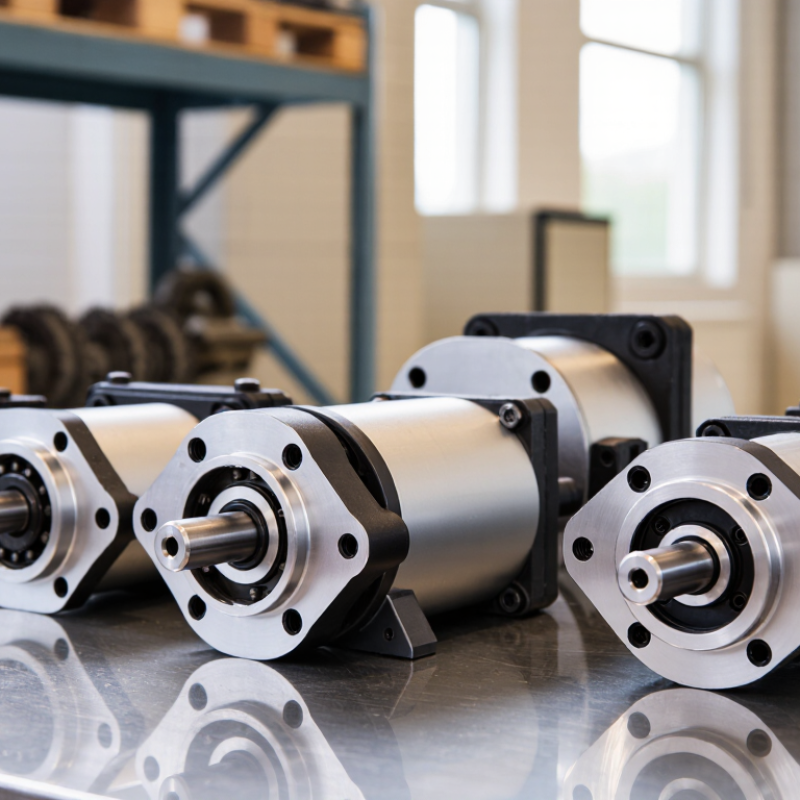
2026 Best Hydraulic Internal Gear Pump Suppliers

Hydraulic Internal Gear Pumps: Design and Operating Principles

An internal gear pump uses a small external-tooth rotor inside a larger rotor with internal teeth. The two rotate together, but their centers are offset. In many designs, a crescent-shaped divider separates the inlet and outlet sides. Some designs omit this divider and use different rotor geometry.

As the teeth disengage near the inlet, the spaces between them grow and draw in oil. The trapped fluid travels around the casing. Near the outlet, the teeth mesh again, reducing those spaces and pushing oil into the discharge line. Flow depends on rotation speed and displacement; system resistance creates pressure. Small clearances matter. They limit internal leakage, yet overly tight clearances can increase friction or sensitivity to wear. Not always an easy trade-off.

Oil condition affects performance. High viscosity can make cold starts harder, while thin or contaminated oil may increase leakage and wear. A clean inlet strainer, suitable fluid, and correct shaft alignment help protect the pump. Cavitation can occur if inlet flow is restricted, often producing noise and damaging surfaces. When diagnosing a unit, check the inlet line and operating temperature before assuming the pump itself has failed. A pressure reading alone may not reveal the cause.

How to Evaluate Hydraulic Pump Suppliers in 2026

When evaluating hydraulic internal gear pump suppliers in 2026, start with the duty cycle, not a polished catalog. Share operating pressure, fluid viscosity, temperature range, shaft speed, and daily running hours. Ask for a written selection rationale linked to those figures. A capable supplier will state its assumptions and flag conditions that may shorten seal or bearing life. Small details matter.

Request performance curves and sample test reports for flow, leakage, noise, and temperature rise. Check that test conditions resemble your actual system, rather than an ideal laboratory setup. Ask how gear clearance, housing materials, and surface finish are controlled between production batches. For a pump handling hot oil near a steel press, even a modest change in viscosity can affect start-up behavior. Review inspection records, calibration practices, and traceability for critical components.

Supplier evaluation should also cover practical support. Confirm typical lead times, spare-parts availability, warranty terms, and who handles troubleshooting after installation. Ask for references from applications with similar pressure and fluid conditions, then verify the details where possible. A factory visit or live video inspection can reveal test benches and assembly controls that a brochure cannot. Still, one visit is only a snapshot; I would not treat it as proof of consistent quality. Get key commitments in writing, including acceptance criteria for the delivered pump.

2026 Best Hydraulic Internal Gear Pump Suppliers - How to Evaluate Hydraulic Pump Suppliers in 2026

Evaluation Dimension What to Check Strong Supplier Evidence Suggested Weight Warning Signs
Hydraulic Performance Confirm displacement, operating pressure, speed range, flow, efficiency, and temperature limits against the intended duty cycle. Published performance curves and a written operating envelope for the specific pump model, including the stated fluid and test conditions. 20% Performance figures without test conditions, or a quoted maximum pressure presented as suitable for continuous operation.
Application and Fluid Compatibility Check fluid type, viscosity range, operating temperature, inlet conditions, mounting, shaft, port, and rotation requirements. A completed application review that matches the pump configuration to the system specification and identifies any operating limits. 15% Generic compatibility assurances without checking fluid properties, inlet conditions, or the required interface.
Testing and Technical Documentation Review test procedures, inspection records, dimensional drawings, installation instructions, and maintenance guidance. Traceable test documentation for the supplied unit or production batch, with clear acceptance criteria and relevant technical files. 15% Missing or inconsistent drawings, unclear test methods, or no documented process for handling nonconforming products.
Quality Management Assess manufacturing controls, incoming inspection, process checks, final inspection, and corrective-action procedures. Auditable quality procedures and, where claimed, a current and verifiable quality-management certification covering the relevant site and scope. 15% Certification claims that cannot be verified, or no evidence of inspection and corrective-action records.
Reliability and Service Support Evaluate warranty terms, troubleshooting support, repair capability, spare-parts availability, and response arrangements. Written warranty conditions, accessible technical support, and a defined process for repairs, replacement parts, and service requests. 12% Unclear warranty exclusions, no service pathway, or support commitments that are not documented.
Customization and Engineering Determine whether the supplier can address application-specific shaft, port, mounting, sealing, or material requirements. Documented design review, configuration control, and approval of drawings or specifications before production. 8% Changes made without written approval, or custom configurations offered without validation and controlled documentation.
Delivery and Supply Continuity Review quoted lead time, order flexibility, production capacity, inventory policy, and communication of delivery changes. A written delivery schedule, clear order-status updates, and a practical plan for managing repeat orders and supply interruptions. 8% Unconfirmed delivery promises, no visibility into order status, or no explanation of how delays are handled.
Total Cost of Ownership Compare purchase price alongside energy use, installation needs, maintenance, downtime risk, and expected service life. A quotation with defined scope and options, plus technical information that allows like-for-like comparison over the planned operating period. 7% Price comparisons that exclude required accessories, testing, freight, service, or other costs relevant to the application.
Total Use the same application requirements and evidence standards when comparing shortlisted suppliers. 100% Do not treat a high score as a substitute for confirming technical suitability.

Scoring guide: Rate each dimension from 1 (insufficient evidence) to 5 (well-supported and application-specific), then apply the suggested weight. These are supplier evaluation criteria, not ratings or performance claims for any particular supplier or pump model. Verify all operating limits against the selected product’s current technical documentation.

Leading Internal Gear Pump Suppliers and Their Specialties

Leading Internal Gear Pump Suppliers and Their Specialties

Hydraulic internal gear pump suppliers often specialize by pressure range, fluid type, and application. Some focus on compact, low-noise units for mobile machinery; others build heavy-duty pumps for presses, machine tools, and continuous industrial service. Look for clear performance curves, not just headline pressure ratings. A pump running warm beside a steel manifold tells you more about a real installation than a brochure does.

Grand View Research’s hydraulic-pump market report estimates the global market at roughly US$10 billion in 2023 and projects growth through 2030. This figure covers multiple pump designs, not internal gear pumps alone. Still, it signals a broad market where support and dependable specifications matter. Suppliers serving lubrication and fluid-transfer systems may offer models suited to viscous oils and steady flow, while application-focused suppliers may provide custom porting, shaft options, or integrated valves. Check the actual operating range.

Ask suppliers for noise data, efficiency figures, material compatibility, and contamination recommendations. ISO 4406 cleanliness codes can help buyers set a measurable fluid-cleanliness target, but the right code depends on the system. It is easy to over-specify. A supplier’s value also shows in application engineering, replacement-part availability, and useful troubleshooting support. Performance varies with fluid, speed, and installation—sometimes more than expected.

Comparing Supplier Products, Quality, and Support

Comparing hydraulic internal gear pump suppliers in 2026 takes more than checking maximum pressure. Compare displacement, speed range, viscosity limits, inlet conditions, and performance curves at actual operating temperatures. A pump rated for a cold test bench may behave differently beside a hot production line. Fit matters. Ask suppliers for test data covering your fluid and duty cycle, not just a polished catalogue sheet.

Quality evidence should include material traceability, dimensional checks, leakage results, and repeatable endurance testing. The U.S. Department of Energy’s Improving Pumping System Performance sourcebook reports that pumping systems use nearly 20% of global electricity, with energy use reaching 25–50% in some industrial operations. Those figures cover pumping systems broadly, not internal gear pumps alone, but they show why efficiency and system matching matter. Grand View Research estimated the global hydraulic pump market at USD 10.3 billion in 2022 and projected 4.8% annual growth through 2030, reflecting continued demand for dependable equipment.

Support can separate similar products. Check whether engineers can review your pressure, flow, fluid, and mounting details before selection. Ask how quickly they supply replacement seals, respond to troubleshooting requests, and investigate abnormal noise or temperature. Request a clear commissioning checklist and documented service intervals. Response promises are easy. Real support is harder to measure. A short technical call before purchase can expose gaps, though it cannot replace field testing.

Selecting a Supplier for Your Application and Operating Needs

A hydraulic internal gear pump should match the machine, not just the catalog description. Start with the required flow, operating pressure, speed range, and fluid viscosity. Check how these values change during cold starts and long shifts. Real conditions matter. A pump that performs well at room temperature may behave differently when oil is thick or the system runs hot. Ask suppliers for performance curves at your actual operating points, not only maximum ratings. Confirm shaft dimensions, mounting style, port locations, and rotation direction before comparing prices. A spec sheet can look complete and still miss the point.

Supplier support matters after delivery. Ask how the pump is tested, what tolerances apply, and which materials suit your fluid and duty cycle. Request clear guidance on filtration, inlet conditions, and case-drain requirements where relevant. These details can prevent noise, poor priming, and premature wear. Check lead times and replacement-part availability, especially if downtime affects production. Small details add up. A supplier who asks about your machine’s load cycles may be more useful than one who simply recommends the largest unit. Still, no checklist catches every installation issue; leave room to review the design with your maintenance team before ordering.

2026 Best Hydraulic Internal Gear Pump Suppliers: Match Fluid Viscosity to Your Application

ISO VG grades indicate nominal kinematic viscosity at 40°C, in mm²/s (cSt). Use the fluid specified for your application when comparing pump suppliers, and confirm each pump’s permitted viscosity range, temperature limits, and fluid compatibility with the supplier. These standardized fluid grades are not supplier performance ratings.

Back To Top