Skip to content

What Are the 2026 Top Types of Metal Balusters for Buyers?

Choosing the right Metal Balusters in 2026 requires more than following a popular finish or showroom display. Buyers must consider structure, maintenance, safety, installation, and the architectural character of each staircase. A sleek steel baluster may suit a modern loft, while a textured wrought iron design can bring weight and tradition to a heritage-inspired home.

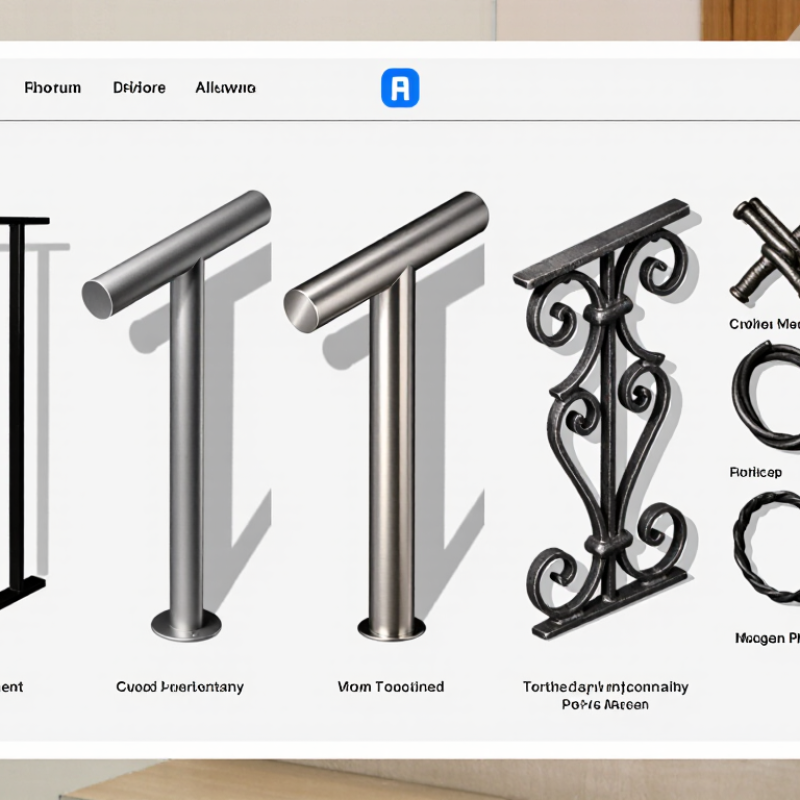
Several types are gaining attention. Powder-coated steel offers strong visual lines and reliable durability for busy residential stairs. Aluminum balusters remain attractive for lighter installations, especially where corrosion resistance matters. Stainless steel provides a clean, refined appearance, although fingerprints and higher material costs deserve attention. Wrought iron continues to appeal to buyers who want scrollwork, hand-forged texture, or a custom statement. Square, round, twisted, and basket profiles create noticeably different shadows and proportions.

Details matter. They really do. Measure the opening carefully, inspect welds, and confirm coating quality before ordering. A thick-looking finish may hide weak preparation, while a beautiful photograph cannot prove long-term performance. Professional installers often check spacing, anchoring points, stair angles, and compatibility with the handrail. Regional moisture, indoor humidity, pets, and frequent cleaning should also influence the decision.

This guide compares the leading Metal Balusters for 2026 through practical buyer criteria rather than trend claims alone. It considers appearance, strength, upkeep, customization, and expected value. Some rankings remain subjective because personal taste and project conditions vary. That limitation deserves honesty. The best choice is not always the most expensive option; it is the one that performs consistently in its actual environment.
What Are the 2026 Top Types of Metal Balusters for Buyers?

Metal Baluster Basics and Their Role in Modern Stair Design

Metal balusters are vertical stair elements that combine safety, structure, and visual rhythm. In modern stair design, they replace bulky wood spindles with cleaner lines and slimmer profiles. Their job is practical, but their appearance strongly affects how open a staircase feels.

Round balusters create a softer, traditional impression and are comfortable beside curved handrails. Square balusters look sharper, especially with angular treads and simple metal handrails. Flat balusters offer a broad, graphic surface that can support a more architectural style. Cable infill can appear almost invisible, but it needs careful tensioning and regular inspection.

Small detail. Big effect.

During stair planning, I look at the baluster spacing, connection points, finish, and surrounding materials. A matte coating can hide fingerprints better than a glossy surface. Stainless steel may suit humid interiors, while painted steel can provide more color control. Local building requirements still determine safe spacing and guard height, so appearance should never lead the decision.

One common mistake is choosing a profile from a showroom sample alone. A thin round baluster may look elegant there, yet appear weak beside a wide staircase. Lighting also changes everything. Shadows can make closely spaced bars feel heavy. No profile is universally best. Designers should test full-size samples, check handrail alignment, and consider cleaning access before installation. Even experienced teams sometimes underestimate how strongly metal finish influences the room’s temperature and character.

2026 Top Types of Metal Balusters for Modern Stair Design

Metal balusters combine structural support with a clean visual profile. The chart compares representative commonly specified profile sizes for major baluster formats. Actual dimensions should be selected according to stair design, loading requirements, and local building codes.

Round and square steel balusters are widely used for contemporary interiors, while aluminum is valued for its light weight and corrosion resistance. Forged iron is often selected when decorative detailing and a traditional appearance are priorities.

Key Types of Metal Balusters Buyers Can Choose in 2026

Metal balusters give staircases a strong visual rhythm, but buyers in 2026 have several forms to compare. Round balusters remain popular because their smooth profile feels traditional and is easy to clean. Square balusters create sharper lines for contemporary interiors. They often pair well with pale wood handrails and simple stair treads.

Twisted balusters add movement through spiral details, while hammered balusters provide a hand-worked appearance with uneven textures. Hollow steel options are lighter and usually easier to handle during installation. Solid iron balusters feel heavier and more substantial, though they may demand stronger stair components. Aluminum balusters resist corrosion and suit bright, low-maintenance spaces, but their lighter feel is not ideal for every design.

Finish matters as much as shape. Matte black hides small marks better than glossy coatings. Brushed metal can soften fingerprints. I have seen polished surfaces look attractive in a showroom, then reveal every touch under strong hallway lighting. That detail is easy to miss. Buyers should check sample pieces in their actual indoor light.

Spacing, rail height, anchoring, and material thickness deserve careful measurement. Local building requirements may affect the final layout, so a qualified installer should verify the plan before cutting materials. A clean design can still fail when the mounting system is weak. Even attractive balusters need stable connections, compatible fasteners, and a finish suited to daily use.

Materials, Finishes, and Styles That Define Each Baluster Type

In 2026, steel, aluminum, stainless steel, and wrought iron remain leading metal baluster materials. Each offers a different balance of strength, weight, cost, and maintenance. Steel provides a solid feel under the handrail. However, untreated steel can develop rust in damp areas. Aluminum is lighter and naturally resists corrosion, making it practical for coastal homes. Stainless steel gives a clean, modern appearance, but its higher price may not suit every renovation. Wrought iron creates visual weight and traditional character. It also requires careful protection against moisture.

Finishes strongly influence both performance and appearance. Powder coating produces an even color and a durable surface for many indoor and outdoor applications. Brushed stainless steel hides small marks better than a mirror finish. Galvanized coatings offer useful protection where humidity is persistent. Dark painted finishes can define a staircase, although scratches may become obvious near busy steps. I have seen attractive finishes fail when installers ignored cut edges and fastener areas. Those small details deserve attention.

Style choices range from round and square profiles to twisted, fluted, and geometric designs. Round balusters feel softer and work well with curved handrails. Square profiles create sharper lines in contemporary interiors. Twisted forms add movement but can collect dust in their grooves. Geometric panels provide privacy, yet they may feel visually heavy in narrow stairwells. Before selecting a type, check local stair safety requirements, spacing limits, load expectations, and the surrounding materials. A finish sample can help, but it never replaces viewing the baluster under the room’s actual lighting.

What Are the 2026 Top Types of Metal Balusters for Buyers? — Materials, Finishes, and Styles That Define Each Baluster Type
Metal Baluster Type Primary Material Common Finishes Typical Styles Key Characteristics Best For Maintenance Relative Cost Expected Service Life
Mild Steel Balusters Carbon steel, commonly used for interior stair and railing components Powder coating, painted finish, oil-rubbed appearance, faux bronze, or plated finish Modern, traditional, transitional, scroll, twist, basket, and geometric designs Strong, widely available, and easy to shape into decorative profiles. Requires corrosion protection because untreated carbon steel can rust. Indoor staircases, decorative residential railings, and projects requiring many design choices Clean with a soft cloth and mild detergent. Inspect painted or powder-coated surfaces for chips and exposed metal. Low to medium Approximately 15–30 years indoors when properly finished and maintained
Stainless Steel Balusters Stainless steel, commonly specified in corrosion-resistant grades such as 304 or 316 Brushed, satin, polished, mirror, bead-blasted, or electropolished Contemporary, minimalist, cable-compatible, square, round, and horizontal-line designs Offers strong corrosion resistance, a clean appearance, and low routine maintenance. Grade 316 generally provides better resistance in coastal or chloride-rich environments than grade 304. Modern interiors, outdoor balconies, coastal properties, commercial spaces, and high-use stairways Wipe regularly with water and a mild cleaner. Avoid chlorine-based cleaners and abrasive steel wool that may damage the surface. Medium to high Approximately 25–50+ years, depending on grade, exposure, and installation quality
Aluminum Balusters Extruded or cast aluminum Powder coating, anodized finish, painted finish, matte black, white, gray, or metallic colors Contemporary, modern, square, round, picket, and low-maintenance ornamental styles Lightweight, naturally resistant to atmospheric corrosion, and easy to handle during installation. It is generally less rigid than steel and may dent under severe impact. Outdoor decks, porches, balconies, raised platforms, and installations where reduced weight is important Rinse with clean water and use mild soap for dirt buildup. Check coating damage after impact or severe weather. Medium Approximately 20–40 years outdoors with a suitable protective finish
Wrought Iron Balusters Traditionally wrought iron; modern products marketed in this style are often fabricated from steel Paint, powder coating, blackened finish, faux bronze, antique finish, or hand-applied patina Traditional, Mediterranean, rustic, Gothic, scroll, floral, and highly ornamental designs Known for substantial visual weight and handcrafted character. Authentic iron and unprotected steel require effective coating systems to limit oxidation. Classic homes, grand staircases, heritage-inspired interiors, and decorative feature railings Dust regularly and repair scratches or chipped coating promptly. Outdoor installations may require periodic repainting. Medium to high Approximately 20–40 years indoors; outdoor life depends heavily on coating maintenance
Cast Iron Balusters Cast iron formed in molds, producing detailed and consistent ornamental patterns Paint, powder coating, black finish, bronze-tone finish, or distressed decorative coating Victorian, traditional, ornate, scroll, floral, and heritage styles Provides a solid, heavy appearance and supports intricate detailing. Cast iron is brittle compared with steel and is vulnerable to rust if its protective finish fails. Decorative interior staircases and restoration-style projects where visual detail is a priority Use non-abrasive cleaning methods and monitor joints, edges, and decorative recesses for coating wear or rust. Medium to high Approximately 20–40 years indoors with proper protection
Tubular Steel Balusters Hollow round, square, or rectangular steel tubing Powder coating, galvanized coating, painted finish, or brushed metal appearance Modern, industrial, minimalist, vertical-bar, and mixed-material styles Efficient and relatively lightweight compared with solid steel sections. Tubular construction can provide good strength while using less material. Contemporary stairs, commercial interiors, industrial-style homes, and long railing runs Clean with mild soap and water. Keep drainage openings clear in exterior applications and repair coating damage quickly. Low to medium Approximately 15–30 years indoors; exterior life varies with coating and climate
Solid Steel Balusters Solid round, square, or machined carbon steel Powder coating, paint, plated finish, blackened finish, or decorative faux-metal coating Contemporary, transitional, traditional, twisted, fluted, and custom ornamental styles Offers a substantial feel, high impact resistance, and a broad range of profiles. It is heavier than hollow tubing and must be protected against corrosion. High-traffic staircases, premium residential interiors, and railings requiring a robust appearance Dust and wipe with a soft cloth. Touch up scratches and inspect fastening points for signs of corrosion. Medium Approximately 20–40 years indoors with a durable finish
Galvanized Steel Balusters Steel protected with a zinc coating, usually through hot-dip galvanizing or another galvanizing process Natural galvanized appearance, paint, powder coating over suitable pretreatment, or weather-resistant topcoat Industrial, utilitarian, modern, exterior picket, and functional railing styles Zinc protection helps shield the underlying steel from atmospheric corrosion. The appearance is more functional than highly decorative unless an additional finish is applied. Exterior stairs, decks, walkways, industrial facilities, and humid environments Rinse away salts and pollutants. Avoid damaging the zinc layer and follow appropriate preparation procedures before painting. Low to medium Approximately 20–50 years outdoors, depending on zinc thickness and exposure conditions
Decorative Metal Balusters with Wood Handrails Usually steel, iron-style steel, aluminum, or stainless steel combined with a wood handrail Black, bronze, pewter, satin nickel, brushed stainless, white, or custom powder-coated colors Farmhouse, transitional, craftsman, traditional, modern, and mixed-material designs Combines the durability and visual lightness of metal with the warmth and tactile comfort of wood. The handrail and metal balusters require different care routines. Residential stair renovations, open-plan interiors, and designs balancing warmth with contemporary detailing Clean metal with a mild solution and care for the wood according to its stain or clear-coat system. Keep moisture away from joints. Medium Approximately 15–30 years or longer indoors with proper finishing and stable installation
Buyer note: Actual performance depends on metal grade, wall thickness, coating quality, installation method, local climate, impact exposure, and compliance with applicable stair and guardrail requirements.

How to Compare Safety, Durability, Installation, and Maintenance

Metal balusters are commonly made from stainless steel, aluminum, or painted mild steel. Each type changes the safety, durability, and maintenance equation. The 2024 International Residential Code generally limits guard openings to four inches, preventing a four-inch sphere from passing through. Buyers should confirm spacing, rail height, and attachment strength, rather than trusting appearance alone.

Stainless steel suits coastal or humid areas, but salt deposits still require regular cleaning. Aluminum resists rust and reduces lifting effort during installation. However, softer sections can dent under impact. Mild steel offers strong, rigid support, yet damaged paint may expose it to corrosion.

AAMA 2604 and AAMA 2605 coating standards indicate higher performance levels than basic exterior coatings, but they do not guarantee a fixed service life. Conditions matter more than brochures suggest.

Installation quality is crucial. The Occupational Safety and Health Administration requires commercial stair railings to withstand specific loads and maintain safe dimensions under 29 CFR 1910.29. Residential work follows local building rules, so measurements should be checked before ordering. Maintenance is usually simple: inspect fasteners, wipe away grit, and watch welds for early discoloration.

The National Safety Council continues to rank falls among major injury risks, making loose fittings more serious than cosmetic flaws. I once underestimated salt buildup on an outdoor railing; the finish looked fine, but the fasteners were already degrading. That mistake is worth remembering.

Buying Criteria for Selecting the Right Metal Balusters in 2026

In 2026, metal balusters are available in steel, aluminum, and wrought iron styles.
Round balusters create a softer, traditional appearance. Square profiles look sharper and suit modern staircases. Hollow aluminum is lightweight and resists rust, while solid steel offers greater visual weight and impact resistance. The best choice depends on the stair structure, indoor climate, and expected daily use.

Material quality should guide the purchase more than appearance alone. Check the metal thickness, weld consistency, surface coating, and dimensional accuracy. Powder-coated finishes usually provide reliable protection, but damaged edges may still corrode in humid or coastal areas. For exterior stairs, ask about corrosion resistance and maintenance requirements. A small sample can reveal rough texture, uneven color, or sharp corners before installation.

Measure the baluster opening carefully and confirm local spacing and handrail requirements. Rules vary by location, so written guidance from a qualified installer or building professional is valuable. Consider the installation method too. A concealed fastening system looks clean, but it may require more precise drilling. Exposed connectors simplify repairs, though they can collect dust. One common mistake is choosing a dramatic finish that shows every fingerprint. I have seen attractive designs become tiring to clean. Budget for cutting, fitting, touch-up work, and future replacement—not only the unit price. Some decisions need reconsidering.Japgolly

Back To Top