What is an Air Circuit Breaker and How Does It Work?
An Air Circuit Breaker (ACB) is an essential component in electrical installations. It provides crucial protection against overloads and short circuits. Understanding how an Air Circuit Breaker operates can enhance safety and reliability in various applications.
ACBs are designed to interrupt currents and protect circuits from damage. They utilize air as the medium for extinguishing electrical arcs. This mechanism is both efficient and effective, ensuring a quick response to electrical faults. Many industrial settings rely on ACBs due to their durability and performance.
However, ACBs are not without flaws. Their effectiveness can diminish if not maintained properly. Regular inspections are necessary to ensure optimal functioning. An understanding of these devices not only improves safety but also encourages proactive maintenance practices. The complexity of their operation might lead to misconceptions about their reliability. Therefore, ongoing education about ACBs is crucial for engineers and technicians alike.
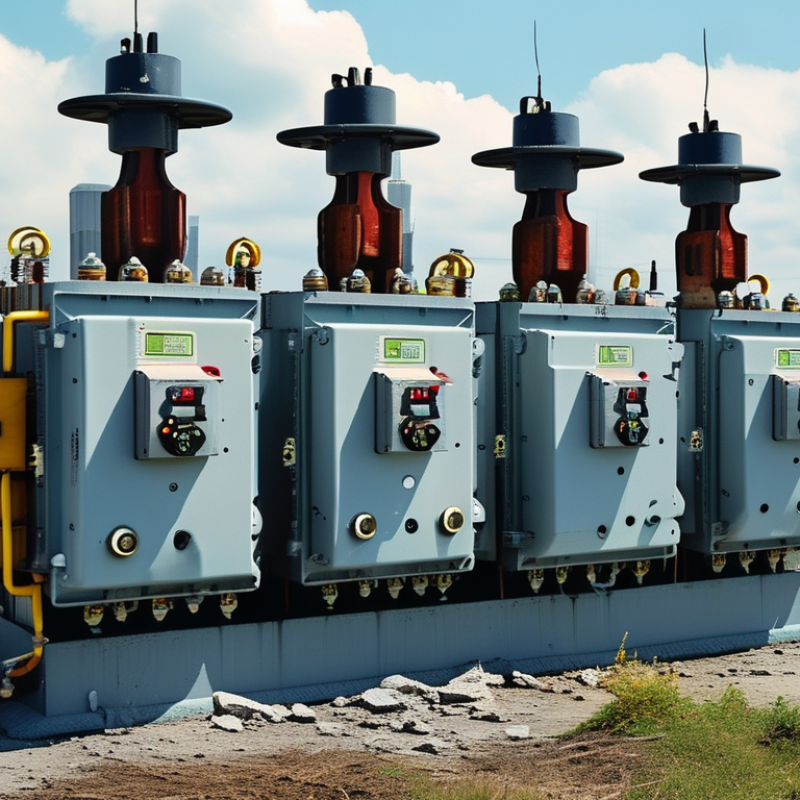
Definition of Air Circuit Breaker and Its Purpose
An air circuit breaker (ACB) is a crucial device in electrical systems. It serves to protect electrical circuits from overloads and short circuits. When current flows through a circuit, the ACB monitors the levels. If the current exceeds a safe threshold, the ACB automatically trips to disconnect the power. This prevents potential damage and fires.
The design of an ACB involves several components. The main part is the interruption chamber, where the arc is quenched. Air is used to cool and extinguish the arc, hence the name. The ACB must be installed properly to function effectively. A faulty installation can lead to serious safety issues. Regular maintenance is essential to ensure the breaker operates smoothly.
Understanding the purpose of an ACB is critical for safety. Many users overlook this responsibility. They may not realize that neglecting maintenance can lead to failures. This highlights the importance of educating users about the device. Proper awareness can significantly reduce risks in both residential and industrial settings.
Air Circuit Breaker Usage Trends
This chart illustrates the annual installations of air circuit breakers from 2018 to 2023, highlighting an increasing trend in their usage as demand for electrical safety and reliability continues to grow.
Key Components of an Air Circuit Breaker
Air Circuit Breakers (ACBs) are crucial in electrical systems. They protect circuits from overloads and short circuits. The key components of an ACB include the operating mechanism, current sensors, and contacts. These elements work together to ensure safety and reliability in power distribution.
The operating mechanism allows for manual or automatic tripping. It uses springs to operate the contacts. Current sensors can detect overload conditions. According to a recent study by the International Electrotechnical Commission, ACBs can break faults within milliseconds, ensuring minimal impact on the electrical system. Contacts, often made from high-conductivity materials, need to withstand high currents. Their design affects both the performance and lifespan of the breaker.
An important aspect is the maintenance of ACBs. Wear and tear can reduce their efficiency. Regular inspections are necessary to detect issues early. Studies show that preventive maintenance can enhance reliability by up to 30%. Proper attention to components can prevent failures and prolong service life, highlighting the need for expert knowledge in maintaining these devices.
What is an Air Circuit Breaker and How Does It Work? - Key Components of an Air Circuit Breaker
| Component | Function | Material | Typical Rating |
| Air Chamber | Provides arc quenching | High-grade steel | up to 4000A |
| Operating Mechanism | Performs opening and closing | Aluminum alloy | Varies by design |
| Contacts | Conducts electricity; separates during fault | Copper or silver-plated | Up to 600V |
| Trip Unit | Detects overload and short circuit | Plastic and electronics | Adjustable from 0.5A to 200A |
| Enclosure | Protects internal components | Insulated casing | N/A |
How Air Circuit Breakers Operate: Mechanisms and Functionality
Air circuit breakers (ACBs) are crucial devices used in electrical systems. They protect circuits by interrupting current flow during overloads or short circuits. Understanding how they operate helps in appreciating their role in safety and efficiency.
The functioning of an ACB involves mechanical and electronic components. When a fault occurs, the ACB detects excess current. This detection is often managed by an electromagnetic or thermal mechanism. For instance, in thermal mechanisms, heat builds up due to excessive current. The heat eventually bends a bimetal strip, triggering the breaker to open. In contrast, electromagnetic mechanisms react faster to short circuits.
While ACBs are effective, they may suffer from certain drawbacks. Their mechanical parts may wear down over time, leading to less reliability. In some cases, misalignment can prevent proper operation. Regular maintenance is essential to address these issues. Users must remain vigilant about these potential failures to ensure safety. Balancing efficiency and reliability can be challenging but is critical in power management.
Common Applications and Benefits of Air Circuit Breakers
Air circuit breakers (ACBs) are critical components in electrical distribution systems. They are designed to protect electrical circuits from overloads and short circuits. ACBs function by interrupting the flow of electricity when a fault is detected, preventing potential damage to equipment. They are widely used in both commercial and industrial settings.
Common applications of air circuit breakers include power distribution in manufacturing plants and large commercial buildings. Their ability to handle high amounts of current makes them suitable for heavy-duty operations. ACBs are also employed in substations to manage the distribution of electricity. Another benefit is their capacity for modular design, allowing easy upgrades.
The reliability of air circuit breakers lies in their straightforward design. However, users must regularly test and maintain these devices. Neglecting maintenance can lead to serious failures, affecting operation continuity. Understanding the implications of using ACBs is crucial. Balancing the benefits and potential drawbacks can lead to better decision-making in electrical system management.
Maintenance and Safety Considerations for Air Circuit Breakers
Air circuit breakers (ACBs) play a critical role in electrical systems. They protect circuits from overloads and short circuits. However, proper maintenance is essential for their optimal performance.
Regular inspections can prevent potential failures. Notably, studies show that about 30% of circuit breaker failures arise from inadequate maintenance. This includes cleaning contacts and checking mechanical operations. It’s crucial to keep the breaker free from dust and debris. Over time, dirt can cause overheating or arcing.
Safety measures are vital when working with ACBs. Always de-energize the breaker before performing maintenance. Use appropriate personal protective equipment (PPE) to minimize risks. Additionally, training staff on safe operating procedures enhances overall safety. About 60% of electrical accidents occur due to human error. Thus, awareness and preparedness are key factors in avoiding mishaps. Regularly reviewing safety protocols ensures everyone is informed.
