Top 10 Best CNC Manufacturing Techniques for High Quality Production?
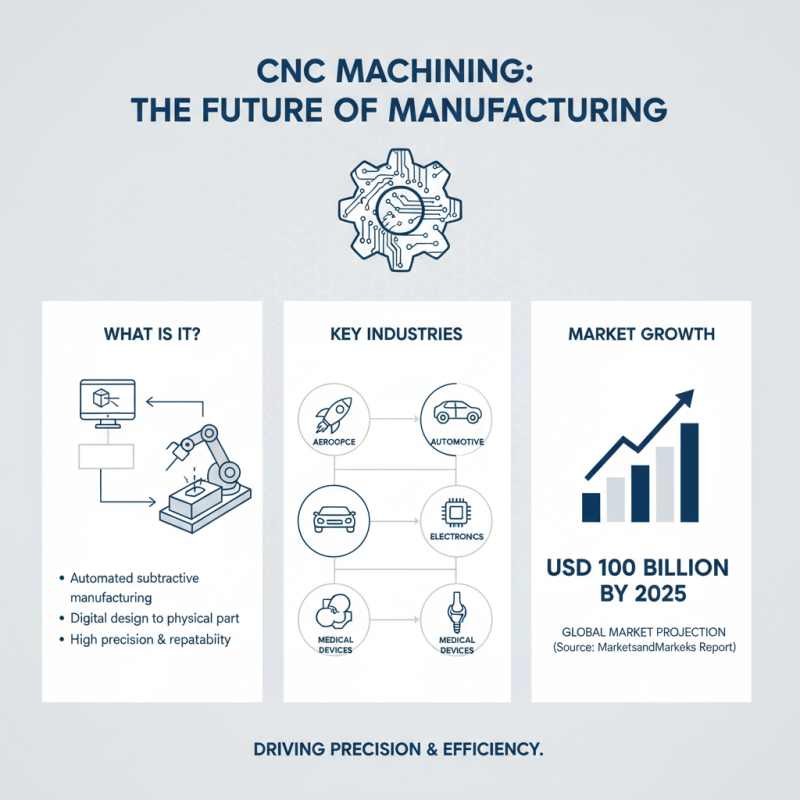
In the rapidly evolving field of CNC manufacturing, achieving high-quality production is paramount. According to industry reports, the CNC machining market is projected to reach $100 billion by 2025. This growth reflects an increasing demand for precision and efficiency in manufacturing processes. Various techniques play a crucial role in maintaining quality standards.
CNC manufacturing encompasses a range of techniques, each with its strengths and weaknesses. While some methods excel in speed, others may lag in accuracy. The balance between cost and quality can be challenging. Many businesses still struggle to identify optimal techniques for their specific needs. For instance, adopting advanced software solutions can enhance precision, but the learning curve can be steep for many operators.
In this context, understanding the top CNC manufacturing techniques becomes essential. Each method offers distinct advantages and potential pitfalls. Awareness of these factors can lead to better decision-making. High-quality production should not be just a goal but a continuous journey for manufacturers. Exploring innovative solutions in CNC manufacturing can pave the way for extraordinary quality and efficiency.
Overview of CNC Manufacturing Techniques
CNC manufacturing encompasses various techniques that improve production quality. These methods help create precise and intricate parts for multiple industries.
Machining, laser cutting, and 3D printing are some popular techniques. Each has its unique advantages and challenges.
When selecting a CNC technique, consider the material type. Certain techniques perform better with metals, while others favor plastics. For example, laser cutting is excellent for thin materials, but can struggle with thicker ones.
Tip: Test different settings before finalizing your choice. Understanding how each technique interacts with specific materials can yield better results. Monitor the quality of the output. Inconsistent results could indicate equipment wear.
Also, consider the scale of production. Some methods are speedy for large batches while others shine in custom jobs. It can be easy to overlook the need for versatility when planning production.
Tip: Always factor in potential reworks. They’re inevitable, and budgeting for them will keep projects on track. Stay aware of the limitations of each technique to avoid costly mistakes.
Understanding CNC Machining Processes and Their Applications
CNC machining is a vital technique in modern manufacturing. It's used across various industries, from aerospace to automotive. According to a recent report by MarketsandMarkets, the CNC market is projected to reach USD 100 billion by 2025, showcasing rapid growth. This reflects the demand for high precision and efficient production.
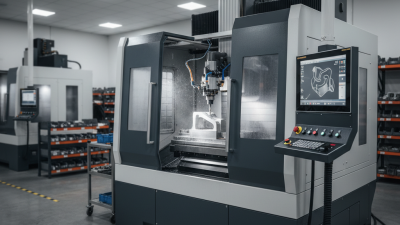
Different CNC processes have unique applications. For example, CNC milling allows for intricate designs and complex components. It’s often used to create parts with tight tolerances. Meanwhile, CNC laser cutting provides speed and accuracy for sheet metal fabrication. However, these techniques can have limitations. For instance, certain materials may not be suitable for high-speed machining, which could lead to flaws.
Despite advancements, challenges remain in CNC machining. Tool wear can lead to inconsistent finishes. Additionally, programming errors could result in wasted materials. According to a survey by SME, 80% of manufacturers report issues with production rates. This highlights the need for continuous improvement in process efficiency and training. Understanding these aspects can help in achieving better outcomes and maintaining high quality in production.
Comparative Analysis of CNC Techniques for High Precision Parts
CNC (Computer Numerical Control) manufacturing has transformed production processes significantly. Different techniques yield varied precision levels, impacting the quality of final parts. Among the popular methods, milling and turning stand out for their precision. Both offer flexibility and the ability to create intricate designs. However, each has its limitations.
Milling allows for the creation of complex shapes. It uses rotating cutters to remove material from a workpiece. While extremely precise, it requires constant monitoring. A small error can lead to significant defects. Turning, on the other hand, is more straightforward. It rotates the workpiece against a cutting tool. This technique provides high accuracy for cylindrical parts but might not handle complex geometries well.
Tips: Ensure tools are regularly calibrated. Accurate settings can prevent costly mistakes. Also, consider the material type. Different materials require tailored approaches for best precision. Reflect on the technique you choose. Some methods may not suit every project, leading to potential inefficiencies. Making informed decisions is crucial for high-quality production.
Top 10 Best CNC Manufacturing Techniques for High Quality Production
| Technique |
Material Compatibility |
Precision (µm) |
Production Speed (parts/hour) |
Cost Efficiency |
| CNC Milling |
Metals, Plastics |
5 |
30 |
Moderate |
| CNC Turning |
Metals |
3 |
40 |
High |
| CNC Plasma Cutting |
Metals |
1-2 |
50 |
Very High |
| CNC Laser Cutting |
Metals, Plastics |
0.1 |
25 |
Moderate |
| CNC Waterjet Cutting |
Metals, Stone, Glass |
0.5 |
10 |
High |
| CNC Routing |
Wood, Plastics |
5 |
35 |
Moderate |
| CNC 3D Printing |
Plastics, Metals |
100 |
5 |
High |
| CNC EDM (Electrical Discharge Machining) |
Metals |
0.5 |
8 |
Moderate |
| CNC Hybrid Manufacturing |
Metals, Plastics |
20 |
20 |
High |
| CNC Micro Machining |
Metals, Ceramics |
0.1 |
12 |
Very High |
Key Factors Influencing Quality in CNC Production
In CNC production, several key factors significantly influence the quality of the final product. Precision is paramount; even the smallest error can lead to significant discrepancies. A machine's calibration directly affects cutting accuracy and surface finish. Regular maintenance of CNC machines is crucial to avoid unexpected breakdowns. An uncalibrated machine can wreak havoc on a production line, leading to waste.
Material selection also plays a vital role. Different materials react differently to CNC processes. For instance, softer materials like aluminum may machine well but could compromise strength. Conversely, harder materials can lead to tool wear. Understanding these nuances can prevent catastrophic failures. Operators must also be trained adequately. Poorly trained staff may overlook critical steps in the process, affecting quality.
Additionally, environmental factors come into play. Temperature and humidity can affect machinery and parts. While a controlled environment is ideal, it’s not always practical. Manufacturers often overlook this aspect, leading to inconsistent results. Recognizing these challenges is essential for continuous improvement in CNC production quality. Achieving high quality in CNC manufacturing requires attention to detail, proactive management, and a commitment to ongoing learning.
Future Trends in CNC Manufacturing Technologies
The landscape of CNC manufacturing is rapidly changing. Innovations are emerging daily, reflecting the industry's shift toward automation and precision. One notable trend is the integration of artificial intelligence. Using AI algorithms helps to optimize machining processes and improve efficiency. Predictive maintenance is also becoming vital, as it reduces downtime through early fault detection.
Another significant trend is the rise of additive manufacturing within CNC processes. This hybrid approach can produce complex geometries that traditional methods struggle with. However, the integration isn’t seamless. Issues like material compatibility and finishing remain. Manufacturers are still learning how to balance both methods effectively.
Sustainability is increasingly crucial. Companies are exploring eco-friendly materials and energy-efficient practices. Adopting these solutions is not straightforward. It requires investment and commitment, which some firms are hesitant to make. The path to a greener manufacturing future is filled with challenges, yet it offers immense potential for those willing to adapt.
Top 10 CNC Manufacturing Techniques for High Quality Production
The chart below illustrates the effectiveness of various CNC manufacturing techniques in producing high-quality products. The data reflects common metrics such as precision, speed, cost-effectiveness, and versatility.