Best Flexo Printer Options for Global Buyers in 2026?
As the demand for high-quality printing continues to grow, choosing the right Flexo Printer becomes crucial for global buyers in 2026. Flexo printers are essential for various industries, from packaging to labels, due to their efficiency and versatility. However, the market is flooded with options, making it challenging to identify the best choices tailored to specific needs.
In 2026, buyers should seek Flexo Printers that offer advanced technology, ensuring precision and speed. Reliability is vital; businesses cannot afford frequent downtimes. Investing in a reputable brand can lead to long-term savings and quality output. Expert opinions highlight that not all printers are created equal. Some may excel in printing, but operations and maintenance can be cumbersome. Therefore, it is essential to balance performance with user-friendliness.
Each Flexo Printer has unique features that cater to varied applications. Buyers must reflect on their operational needs and production scale. A sophisticated printer might not be necessary for small-scale operations. As the landscape of printing evolves, making informed decisions can significantly impact success. This guide aims to illuminate the best options available for savvy buyers navigating this complex market.
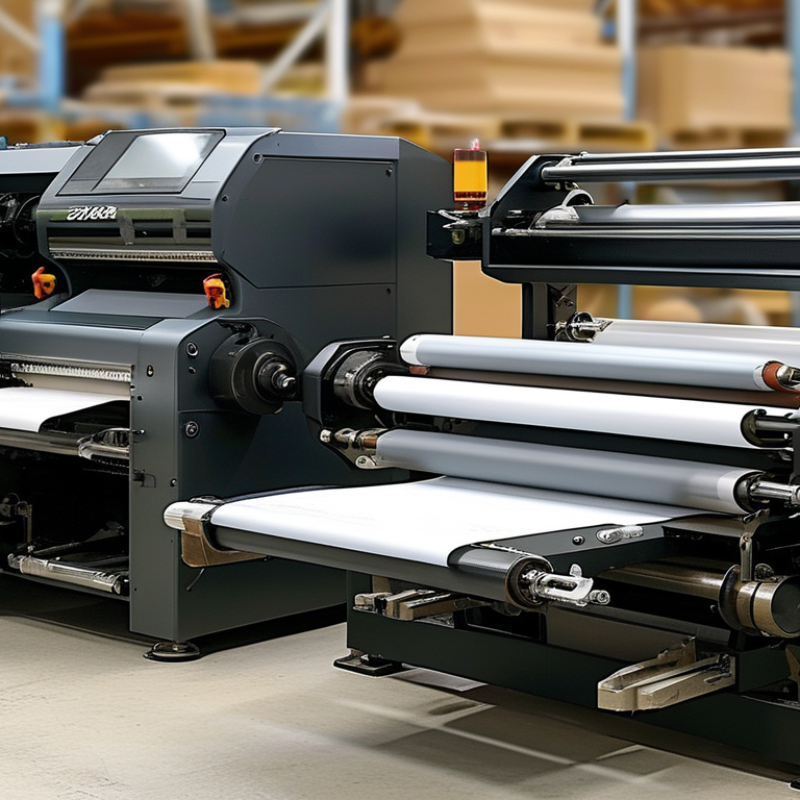
Overview of Flexo Printing Technology and Its Applications
Flexo printing, known for its versatility, continues to gain traction across numerous industries. According to a market report by Smithers Pira, the global flexo printing market is projected to grow at a CAGR of more than 4% through 2026. This growth highlights its increasing applications, ranging from packaging to labels and even textiles. Flexo technology employs flexible relief plates, allowing for rapid printing on diverse substrates, including plastic, paper, and metallic films.
The adaptability of flexo printing makes it suitable for short and long runs. It's particularly efficient when printing large volumes due to its quick setup times. However, challenges persist. Achieving consistent quality can sometimes be a struggle, especially when transitioning between different materials. Industry professionals often note variability in ink transfer and pressure adjustments as potential drawbacks. Despite these issues, innovations such as water-based and UV curing inks are helping to mitigate these concerns.
Market research underscores the rising demand for eco-friendly printing solutions. Flexo printing meets this need, with a significant shift towards sustainable practices. Industry leaders estimate that over 30% of printers have started using water-based inks. This trend reflects a broader commitment to reducing environmental impact. As the flexo printing landscape evolves, staying informed about technological advancements and market dynamics becomes essential for global buyers.
Key Features to Consider in Flexo Printers for 2026
In 2026, flexo printers are critical for global businesses seeking efficiency and versatility. One essential feature to look for is printing speed. According to industry reports, advanced flexo printers now achieve speeds up to 500 meters per minute. This efficiency helps reduce production time significantly, allowing manufacturers to meet urgent deadlines. However, buyers must verify these claims through real-world applications. Not all machines may perform as promised under diverse circumstances.
Another important aspect is print quality. Flexo printers must deliver sharp images and consistent colors. A recent study indicated that 80% of buyers prioritize high-resolution printing for packaging. This gives a competitive edge in a saturated market. Yet, it’s vital to consider the trade-off between speed and quality. Sometimes, striving for higher speeds may result in diminished print precision.
Environmental considerations play a significant role in purchasing decisions. Sustainability features, like lower energy consumption and eco-friendly inks, have become essential. Reports show that nearly 65% of companies are shifting towards sustainable production. However, not all flexo printers provide this capability equally. Buyers should assess energy certifications and ink options carefully. Making informed decisions now will ensure long-term satisfaction in an evolving market.
Top Flexo Printer Brands and Their Market Presence
In 2026, the flexo printing market will present various options for global buyers. The top flexo printer brands are evolving rapidly. They strive to enhance efficiency and output quality. Buyers seek machines that offer versatility for various applications. Print quality remains a top priority for many businesses, and many brands are committed to innovation.
Market presence is crucial for buyer confidence. Brands with a strong reputation often have better customer support and service. Their established networks can significantly ease the purchasing process. It's essential to assess the local availability of spare parts and technical support. Flexo printers with a global footprint may not always excel in local markets.
While some brands promise cutting-edge technology, not every machine meets expectations. Some users report challenges with reliability and consistency. It's wise for buyers to consider feedback from existing customers. Understanding these perspectives can lead to more informed decisions. The landscape is competitive, and buyers should not rush into agreements.
Flexo Printer Market Presence in 2026
Comparative Analysis of Flexo Printers: Performance and Cost
Choosing the right flexo printer can be challenging for global buyers in 2026. The market offers various models, each with unique features and varying costs. A comparative analysis reveals that performance is often tied to specific applications. For instance, some printers excel in speed, while others emphasize color accuracy. Buyers must align their needs with the strengths of each model.
In terms of cost, flexibility is everything. Initial purchase prices can be enticing but often exclude hidden expenses like maintenance and consumables. Some printers might offer lower rates but could require frequent service, leading to higher total costs over time. It’s essential to assess not only the upfront investment but also the long-term implications of ownership. This analysis often uncovers a trade-off between affordability and the desired quality or capability.
User reviews indicate varying satisfaction levels, highlighting the importance of testing equipment before purchase. Some users found that advertised features did not always meet their expectations in real-world applications. Reflecting on these experiences can guide potential buyers. Investing time in research and hands-on demonstrations can lead to more informed decisions and ultimately better returns on investment.
Future Trends in Flexo Printing Technology and Buyer Insights
As the flexographic printing industry evolves, attention shifts toward future trends. Emerging technologies, such as digital integration, present exciting opportunities for buyers. Flexo printing is becoming increasingly efficient through automation and improved color management. These advancements help reduce waste and enhance sustainability. However, challenges remain. Not all companies can adapt quickly to these changes.
Buyers need to assess their specific needs in this dynamic environment. Understanding the latest advancements in print quality and speed is essential. The shift towards eco-friendly materials is crucial. Flexo printers must cater to an environmentally conscious market. Yet, sourcing sustainable materials can sometimes be difficult or expensive.
Keeping up with market trends is vital for business growth. Engaging with industry experts and attending trade shows can provide valuable insights. Flexo printing is not just about technology; it’s also about fostering connections and understanding market demands. Balancing innovation with practical challenges often requires patience and reflection.
