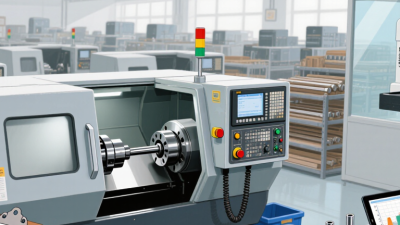
What Is the Best Plastic CNC Machining Service in China?
What Is the Best Plastic CNC Machining Service in China? The answer depends on more than price. Material stability, dimensional control, surface quality, engineering support, and delivery discipline matter equally. Plastic CNC machining is widely used for medical housings, laboratory fixtures, automotive prototypes, electronic enclosures, and low-volume production parts.
Industry data shows why this capability deserves careful review. Grand View Research estimates that the global computer numerical control machine market will continue expanding through 2030, driven by automation and precise component production. The China Machine Tool Industry Association has also reported sustained demand for high-end machining equipment and digital manufacturing. These trends do not automatically prove that every Chinese supplier is reliable. That assumption needs questioning.
Dr. David Kazmer, a polymer-processing expert at the University of Massachusetts Lowell, has stated, “Material behavior must be considered throughout the manufacturing process.” That principle is especially important for plastics. Acrylic can chip near a thin wall. PEEK can generate heat during aggressive cutting. Nylon may absorb moisture and shift dimensions after machining. A capable supplier should explain these risks before production begins.
The strongest Chinese service providers usually offer verified material certificates, CMM inspection reports, controlled tooling, and clear tolerance reviews. They should also show relevant experience with ABS, POM, PTFE, PC, PEEK, and reinforced plastics. A polished website is not enough. Ask for sample inspection records, machine details, and a realistic production plan. The best choice is rarely the cheapest quote. It is the supplier that can repeatedly convert a CAD model into a stable, measurable, and usable part.
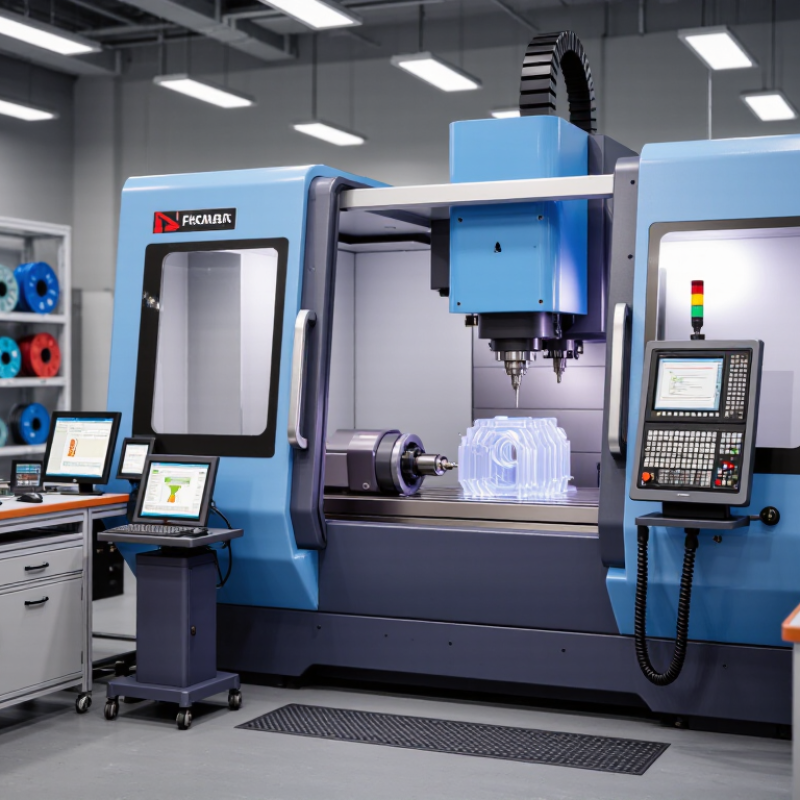
How Plastic CNC Machining Works: ±0.01 mm Tolerance and 3-Axis Basics
Plastic CNC machining begins with a CAD model and a selected polymer block. CAM software converts the model into toolpaths for cutting. A 3-axis machine moves the cutter along X, Y, and Z axes. This setup suits housings, brackets, covers, and many flat-sided components.
±0.01 mm
tolerance means the finished feature may vary by 0.01 mm from its target size. It is not automatically achievable on every plastic surface. Material expansion, clamping pressure, cutter wear, and internal stress can change results.
PEEK, nylon, acetal, and ABS also behave differently during cutting.
Practical experience shows that thin walls often warp after release. That detail is easy to underestimate.
Inspection matters.
Technicians should verify critical dimensions with calibrated micrometers, gauges, or a coordinate measuring machine. A 2024 report from Grand View Research valued the global CNC machine market at over USD 80 billion in 2023, reflecting strong demand for controlled production. Another 2024 analysis from MarketsandMarkets projected continued growth through 2029. These figures show capacity, not guaranteed accuracy. A capable Chinese service should explain its tolerance limits, material data, inspection method, and revision process before production.
Ask for a first-article inspection report. Small details matter.
One overlooked datum can shift an entire assembly.
Which Engineering Plastics Fit CNC Parts: PEEK, Nylon, POM, and PTFE
Choosing the right engineering plastic for CNC parts in China starts with function, not price.
PEEK suits high heat, chemical exposure, and demanding wear conditions. It keeps strength better than many plastics during repeated service. Yet it costs more and may need careful fixturing. Nylon is practical for gears, bushings, and light structural parts. It machines easily, but absorbs moisture. Dimensions can shift after machining. That detail is easy to underestimate.
POM offers low friction, good dimensional stability, and clean cutting for precision components.
It often works well for guides, rollers, and housings.
PTFE handles aggressive chemicals and very low-friction applications.
However, it is soft, creeps under load, and can deform during clamping. It is not a universal replacement for POM. Not even close.
An experienced CNC machining service should review the drawing, operating temperature, load, tolerance, and surface finish before quoting. Ask how stock is conditioned, how thin walls are supported, and how parts are inspected. Coordinate measuring machines, calibrated gauges, and material certificates improve confidence.
Small test batches can reveal burrs, warping, or unexpected shrinkage. I have seen good drawings fail because moisture control was ignored. That was avoidable.
Material advice should be documented, not based on a quick chat.
How to Compare Chinese CNC Suppliers: ISO 9001, 5-Axis Capacity, and QA
What Is the Best Plastic CNC Machining Service in China?
Choosing the best plastic CNC machining service requires more than comparing prices. A reliable supplier should provide a valid ISO 9001 certificate, controlled procedures, and traceable inspection records. Ask whether the certificate covers the actual production site. Documentation matters. A certificate alone does not guarantee consistent parts.
Five-axis capacity can improve complex plastic components, especially housings with angled surfaces, deep cavities, or reduced clamping marks. However, advanced equipment is not enough. Request machine details, material experience, tolerance examples, and sample inspection reports. Check whether the supplier measures critical dimensions with calibrated equipment. A thoughtful QA process should include first-article inspection, in-process checks, and final reports linked to batch numbers.
Tips: Send a complete 3D file, technical drawing, resin grade, tolerance table, and expected quantity. Ask for a small prototype batch before full production. Compare response quality, not only quotation speed. Clarify how the supplier handles warping, sink marks, burrs, and color variation. These details reveal practical experience. No supplier is perfect. Even a strong factory may miss a cosmetic issue or underestimate shrinkage on an unfamiliar resin. That is why clear communication and documented corrective actions remain essential. Consider requesting a process review before approving production.
How Pricing and Lead Times Change with Volume, Tolerance, and Finish
What Is the Best Plastic CNC Machining Service in China?
The best plastic CNC machining service depends on your volume, tolerance, and surface finish. A prototype with five parts usually costs more per unit than a batch of 500. Setup, programming, and inspection are spread across fewer parts. Larger orders often reduce unit pricing, but material waste and packaging still affect the final quote.
Tight tolerances can extend lead times. A standard tolerance may allow normal milling and quick inspection. A tolerance near ±0.02 mm may require slower cutting, temperature control, and additional measurements. Finish also changes both cost and schedule. Smooth machining, bead blasting, polishing, and custom coloring need different processes. A visible part may require extra handling. That detail is easy to underestimate.
Tips: Send a clear 2D drawing, 3D file, material grade, quantity, tolerance table, and finish requirements. Ask whether the quote includes inspection, packaging, and delivery. Request sample photos or a first-article report for critical parts. Confirm the actual production schedule, not only the shipping date. One practical warning: the cheapest quote can become expensive after revisions. A small design adjustment may save hours of machining, though this is sometimes missed during early discussions. Also, some plastics deform under heat or clamping pressure. Experienced engineers should review thin walls, deep pockets, and sharp internal corners before production.
What Is the Best Plastic CNC Machining Service in China? - How Pricing and Lead Times Change with Volume, Tolerance, and Finish
| Order Volume |
Typical Part Size |
Material |
Tolerance |
Surface Finish |
Estimated Unit Price (USD) |
Estimated Lead Time |
Best Use Case |
| 1–5 pcs |
Small to medium
Up to 150 mm |
ABS, POM, or nylon |
±0.10 mm |
As machined, Ra 3.2–6.3 µm |
$35–$120 |
5–8 working days |
Early prototypes and design validation |
| 10–25 pcs |
Small to medium
Up to 200 mm |
ABS, POM, PC, or nylon |
±0.08 mm |
Bead blasted or fine machined |
$22–$75 |
7–12 working days |
Functional prototypes and pilot testing |
| 50–100 pcs |
Small to medium
Up to 250 mm |
POM, PA6, PC, or PEEK |
±0.05 mm |
Polished or textured cosmetic finish |
$12–$48 |
10–16 working days |
Low-volume production and assembly trials |
| 250–500 pcs |
Small to medium
Up to 250 mm |
ABS, POM, PA6, or PC |
±0.08 mm |
As machined or bead blasted |
$6–$24 |
15–25 working days |
Repeatable production parts with moderate tolerances |
| 1,000+ pcs |
Small to medium
Up to 200 mm |
ABS, POM, PA6, or PC |
±0.10 mm |
Standard machined finish |
$3–$14 |
20–35 working days |
Stable production demand and recurring orders |
| Any volume |
Any supported size |
PEEK or glass-filled nylon |
±0.03–0.05 mm |
Fine machined or polished |
$35–$180 |
15–30 working days |
High-temperature, chemical, or wear-resistant applications |
Pricing and lead-time basis: These are realistic planning ranges for CNC-machined plastic parts produced in China. Estimates assume a 3-axis or 4-axis process, relatively simple geometry, customer-supplied CAD files, standard inspection, and no tooling charge. Actual quotations vary with material grade, part complexity, stock size, batch size, packaging, shipping method, and inspection requirements.
How to compare suppliers: Request the same drawing, material specification, tolerance callouts, surface-finish requirements, inspection plan, and delivery destination from each supplier before comparing total cost and lead time.
Best-Service Criteria: ±0.005 mm Capability, Inspection, and Export Support
What Is the Best Plastic CNC Machining Service in China?
Choosing a plastic CNC machining service requires more than comparing hourly prices. A reliable supplier should demonstrate ±0.005 mm capability on suitable parts and materials. This tolerance must be proven through sample reports, not just website claims. Ask how operators control tool wear, heat, and plastic deformation during production. In my experience, small errors often appear near thin walls, deep pockets, or sharp internal corners. Material behavior matters.
Inspection quality separates a dependable workshop from an attractive quotation. Look for calibrated CMM equipment, micrometers, gauges, and documented inspection plans. The supplier should measure critical dimensions before shipment and explain any out-of-tolerance findings honestly. Photos of inspected parts can help, but traceable reports provide stronger evidence. No process is flawless. A supplier that records problems may be more trustworthy than one promising perfection.
Tips: Request a first-article inspection before approving a larger batch. Confirm the drawing revision, resin grade, surface finish, and packaging method in writing. Export support also deserves attention. The service should prepare accurate commercial invoices, packing lists, and shipping labels. Clear communication reduces customs delays and protects fragile components. Ask for realistic lead times, not optimistic promises. A short video call can reveal technical understanding quickly. Pay attention to the questions they ask.