How to Choose the Right Crushing Screening Plant for Your Needs?
Choosing the right crushing screening plant is crucial for your operations. With many options available, it can be overwhelming. You need to consider several factors to make the best choice.
A crushing screening plant must match your project needs. Different materials require different equipment. For instance, processing hard rocks differs significantly from softer materials. The size of the plant also affects its capacity and efficiency. A larger plant may offer higher output, but it can also require more space and maintenance.
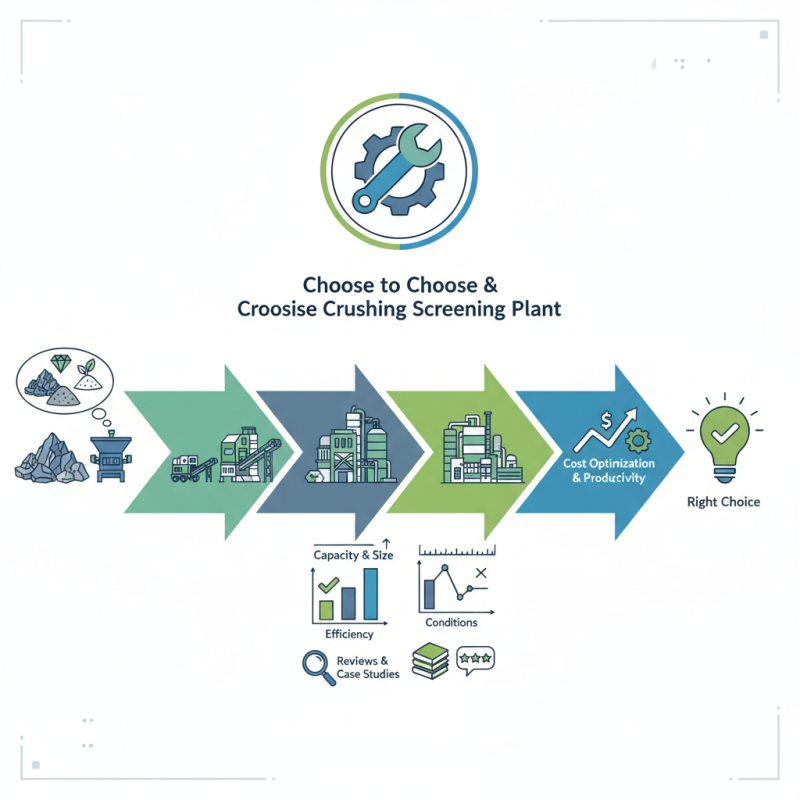
Not all plants are created equal. Some may promise high efficiency but fail under specific conditions. Learning from others’ experiences is invaluable. Evaluate case studies and user reviews to better understand each option. Remember, the right choice not only improves productivity but also optimizes costs.
Understanding Crushing and Screening Plant Components
When selecting a crushing and screening plant, understanding its components is crucial. Each part plays a significant role in the plant's overall performance. Key components include crushers, screens, and conveyors. Crushers break down larger materials into smaller pieces, while screens separate these materials based on size. Effective screening minimizes contamination and maximizes product quality.
According to a recent industry report, approximately 30% of screening issues arise from improper maintenance of these components. Regularly inspecting screen media and conveyors can significantly reduce such breakdowns. A well-maintained system ensures consistent material flow, which is essential for maintaining production schedules.
Additionally, the choice of crushers impacts operational efficiency. Selecting the wrong type could lead to increased wear and tear, leading to costly repairs. Operators must consider the specific characteristics of the material being processed. For instance, a rock with high abrasiveness may require a different crusher than softer aggregates. This choice directly affects not just efficiency but also the accuracy of the final product.
Evaluating Your Material Type and Desired Output Specifications
When selecting a crushing and screening plant, assessing your material type is crucial. The nature of your raw materials—be it hard rock, gravel, or recycled concrete—greatly influences the machinery you’ll need. Each material has unique properties that affect how it should be processed. For example, harder materials may require more robust equipment with specialized features.
Desired output specifications also play a significant role in your decision. Do you need a fine aggregate or larger chunks? The desired size of your final product dictates various plant configurations. Understanding these specifications involves not only technical knowledge but also practical experience with different materials and equipment.
Moreover, consider the environmental aspects and logistics of your project. Material handling can affect efficiency. In some cases, you may realize that certain setups lead to bottlenecks or excess waste. It’s essential to reflect on past projects. Are there lessons learned that could guide your current choice? Evaluating both material characteristics and output needs can help avoid future challenges.
Assessing Plant Size and Capacity for Your Operation's Scale
When assessing the right crushing and screening plant, size and capacity are crucial. The appropriate plant must align with your operational scale. Industry reports suggest that plants should have a processing capacity of 200 to 500 tons per hour for mid-size operations. This range provides flexibility, catering to varying project sizes.
It’s essential to analyze your project demands carefully. An undersized plant may lead to inefficiencies, while an oversized one can incur unnecessary costs. For example, a facility operating beyond its capacity may suffer from increased wear on equipment, resulting in higher maintenance expenses. Conversely, systems operating well within their capacity might struggle to justify their investment.
Consider your raw material types and sizes. Different materials often require unique crushing methodologies. Using too small of a plant can produce a bottleneck in operations. Inaccurate assessments might lead to either purchasing excessive machinery or underestimating the required throughput. Ultimately, ensuring that plant size and capacity match your operational needs is vital for longevity and efficiency.
Monthly Crushing Screening Plant Capacity vs. Operational Needs
Reviewing Advanced Technologies and Automation Options in Plants
Choosing the right crushing and screening plant involves understanding advanced technologies available today. Automation plays a pivotal role in improving efficiency and productivity. According to a recent industry report, plants utilizing advanced automation can enhance output by up to 25%. These technologies include programmable logic controllers and real-time monitoring systems.
Integrating automation can lead to significant operational cost reductions. A study found that automated plants have lower labor costs, contributing to a 15% increase in profit margins. Real-time data analytics help operators optimize their processes. This is crucial for maintaining consistent quality in the final product.
However, not all automation solutions fit every operation. Some manufacturers report challenges in integration. A mismatch in technology can lead to inefficiencies. It’s essential to evaluate your specific needs and operational capacity. Embracing new technologies demands careful consideration and sometimes, learning from setbacks.
How to Choose the Right Crushing Screening Plant for Your Needs?
| Plant Type | Application | Key Features | Automation Level | Maintenance Needs |
| Jaw Crusher Plant | Primary Crushing | High throughput, Robust design | Low Automation | Moderate |
| Cone Crusher Plant | Secondary Crushing | Efficient crushing, Adjustable settings | Medium Automation | Moderate |
| Mobile Screening Plant | Material Separation | Portable, Quick setup | High Automation | Low |
| Impact Crusher Plant | Tertiary Crushing | Versatile, High reduction ratio | Medium Automation | Moderate |
| Horizontal Screen Plant | High-capacity Screening | High efficiency, Large deck area | High Automation | Low |
Considering Operational Costs and Maintenance for Long-Term Efficiency
When selecting a crushing and screening plant, operational costs and maintenance are key factors. Low initial costs can be tempting, but hidden expenses can accumulate quickly. Fuel efficiency, wear and tear on components, and service costs often dictate long-term profitability. Make sure to analyze these ongoing expenses comprehensively.
Regular maintenance is crucial for extending the lifespan of your equipment. Neglecting routine checks can lead to significant downtime. Focus on crucial parts, like the conveyor system and screens. Ignoring minor issues can lead to costly repairs later on. Consider the availability of replacement parts when making your choice. Some plants have a better network for parts supply, reducing wait times.
Staff training is another often overlooked aspect. Without proper training, equipment may not operate at peak efficiency. This can lead to wastage, both in materials and time. Investing in training can improve productivity and ensure that your plant runs smoothly. Evaluate your team's expertise and consider how it aligns with the technology you choose.