How to Choose the Best Aluminium Bath Chair?
Choosing the best Aluminium Bath Chair is a practical safety decision, not merely a question of appearance or price. The World Health Organization reports that falls are the second leading cause of unintentional injury deaths worldwide. Its 2021 Global Report on Ageing and Health also links safer environments with greater independence for older adults. These findings make bathroom seating relevant for older users, people recovering from injury, and anyone with limited balance.
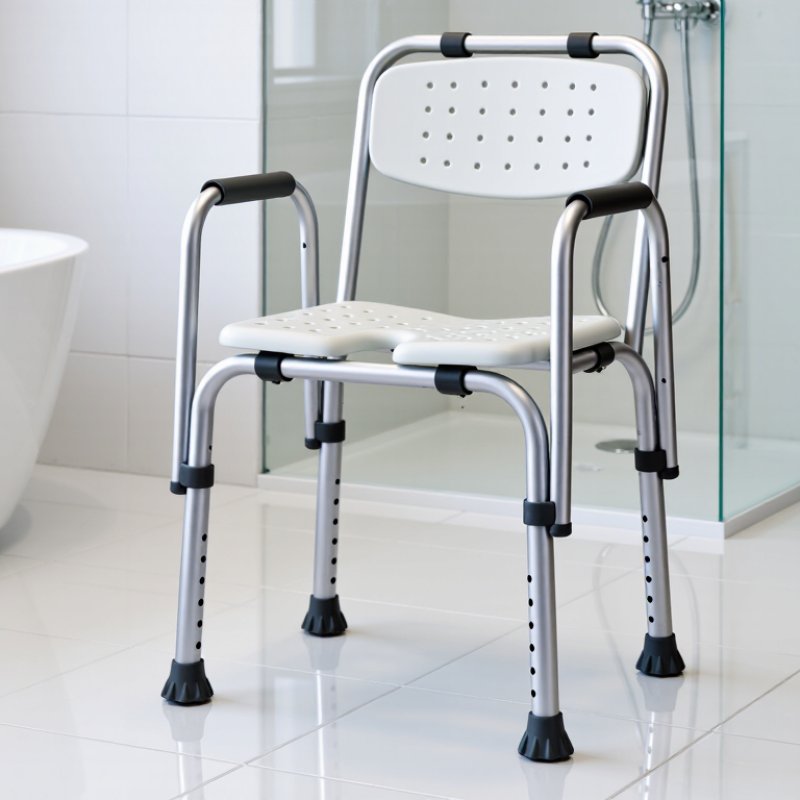
A suitable Aluminium Bath Chair should match the user, bathroom, and daily routine. Check its maximum load, seat width, height range, drainage holes, and rubber-foot grip. Aluminium resists rust, but it does not guarantee stability. Loose joints, poor welds, or slippery feet can still create danger. Look for clear product instructions and testing information based on recognized assistive-product standards, such as ISO 21856. The Centers for Disease Control and Prevention states that more than one in four adults aged 65 and older falls each year. A stable chair can reduce standing time, but it cannot replace careful transfers or professional advice. Small details matter. A seat that feels secure beside a dry showroom wall may behave differently beside a wet bathtub. I would also question attractive designs with unclear load ratings. This is where product descriptions often feel incomplete. Measuring the tub edge, checking the user’s sitting posture, and confirming caregiver access can prevent an expensive mistake. The following guide examines these factors clearly, helping readers choose comfort, durability, and dependable bathroom support.
Define User Needs Through ISO 17966:2016 Bathing-Aid Requirements
How to Choose the Best Aluminium Bath Chair?
Define User Needs Through ISO 17966:2016 Bathing-Aid Requirements
Choosing an aluminium bath chair should begin with the user, not the frame. The WHO and UNICEF Global Report on Assistive Technology (2022) estimates that 2.5 billion people need at least one assistive product. Demand may exceed 3.5 billion by 2050. These figures show why personal fitting matters. A chair that suits one bathroom may create hazards in another.
ISO 17966:2016 provides requirements and test methods for bathing aids, including stability, strength, safety, and usability considerations. Use it as a technical reference, not a replacement for professional assessment. Check the user’s weight, hip width, transfer ability, balance, and sitting tolerance. Measure the shower floor, door opening, and drain position. Small details matter. Very much.
Aluminium can reduce handling effort and resist corrosion, but material alone does not guarantee safety. Inspect the seat surface, drainage openings, leg adjustment, rubber feet, and locking points. Confirm the stated load capacity includes movement, not only quiet sitting. I would not trust a large number without test information. A perfect chair on paper can still feel unstable beside a wet wall. Reassess after use, especially when the user’s strength or mobility changes. That step is often missed.
Compare 6061-T6 Aluminum Frames for Strength and Corrosion Resistance
Choosing the best aluminium bath chair starts with the frame, not the upholstery. For wet bathrooms, 6061-T6 aluminum offers a strong balance of weight, stiffness, and corrosion resistance. ASM Handbook data lists typical 6061-T6 strength near 276 MPa yield strength and 310 MPa tensile strength, although values vary by product form and manufacturing process. That variation matters.
A sturdy frame should feel rigid when you press down on the seat. Look for reinforced joints, rounded tubing, and drainage holes that prevent trapped water. The alloy’s natural oxide layer helps resist corrosion, but it is not a permanent shield. Chloride-rich water, cleaning chemicals, and scratches can still damage the surface. NACE’s IMPACT Study estimated global corrosion costs at about 3.4% of worldwide GDP, showing why material protection deserves attention.
Check the hardware carefully. Stainless-steel fasteners can create galvanic corrosion when they contact aluminum in a constantly wet environment. Insulating washers, sealed joints, and compatible coatings reduce this risk. Anodizing may improve surface durability, but coating quality must be verified rather than assumed. I have seen frames look excellent while hidden joints collected rust-colored residue. Small details matter.
A slightly wider frame can improve stability, yet excessive width may obstruct bathroom transfers. Confirm the stated load rating, leg-lock design, and floor contact area. If the chair flexes during a dry inspection, expect less confidence on a wet floor. 6061-T6 is a sensible choice, not a guarantee. Regular rinsing and drying remain necessary.
Select a Tested Weight Capacity with a 1.5× Safety Margin
How to Choose the Best Aluminium Bath Chair?
Select a Tested Weight Capacity with a 1.5× Safety Margin
A bath chair must support more than the user’s body weight. Include wet clothing, movement, and any personal-care equipment. If the user weighs 100 kilograms, choose a chair tested for at least 150 kilograms. This 1.5× margin helps account for shifting loads during sitting, standing, and repositioning.
Check how the capacity was tested. Reliable documentation should state the maximum tested load, test method, and supporting conditions. A static laboratory rating may not reflect movement in a wet bathroom. Look for clear instructions from the manufacturer and, where available, independent testing records. A vague “heavy duty” claim proves very little.
Real bathrooms are less forgiving. Aluminium resists rust, but bolts, joints, and seat fittings still need inspection. Check for loose screws, bent legs, cracked plastic, or worn rubber feet. Keep all legs firmly on the floor. Uneven tiles can reduce stability, even when the weight rating looks generous.
A common mistake is choosing capacity by body weight alone. I have seen buyers overlook transfer movements. That choice deserves another look. The 1.5× margin is a practical purchasing guide, not permission to exceed the stated limit. Follow the product instructions, adjust the height carefully, and replace the chair after visible structural damage.
How to Choose the Best Aluminium Bath Chair?
Select a Tested Weight Capacity with a 1.5× Safety Margin
The minimum tested capacity is calculated as total expected load × 1.5. For example, a 100 kg total user load requires a bath chair tested to at least 150 kg. Always include clothing, carried items, and any equipment supported by the chair, then choose a product whose verified test capacity meets or exceeds the calculated value.
Measure Seat Height, Width, and 450–480 mm Transfer Clearance
Choosing the Best Aluminium Bath Chair: Measure Seat Height, Width, and 450–480 mm Transfer Clearance
A bath chair should fit the user and the bathroom, not only the product photo. Measure the seat height from the floor to the top of the sitting surface. When seated, the user’s feet should rest flat, with knees close to a right angle. This position can reduce strain during transfers. A height-adjustable frame helps, but uneven floors may make the final setting imperfect.
Measure the seat width across the usable sitting area. Leave enough room for comfortable clothing and safe posture, but avoid excessive width. A narrow chair may press against the hips. A wide chair can make side transfers less stable. Check the bathroom doorway, shower edge, and drain position too. Small details matter.
Leave 450–480 mm of clear transfer space beside the chair where possible. This gap allows the user to approach, turn, and move safely from a wheelchair or standing position. Measure from the chair’s widest point, including armrests and adjustment knobs. Do not measure only the seat. Test the space with a simple cardboard outline first. It may reveal a problem early. A qualified occupational therapist can assess transfer technique, balance, and individual support needs. I have learned that a perfect measurement on paper can still feel awkward in a wet bathroom, so a supervised trial remains valuable.
