Skip to content

What Is a CNC Mill Machine and How Does It Work?

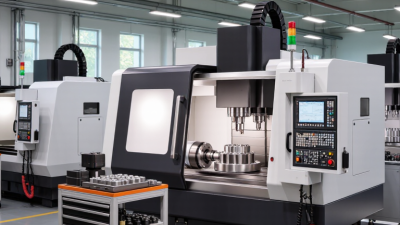
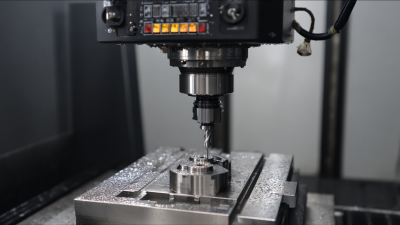
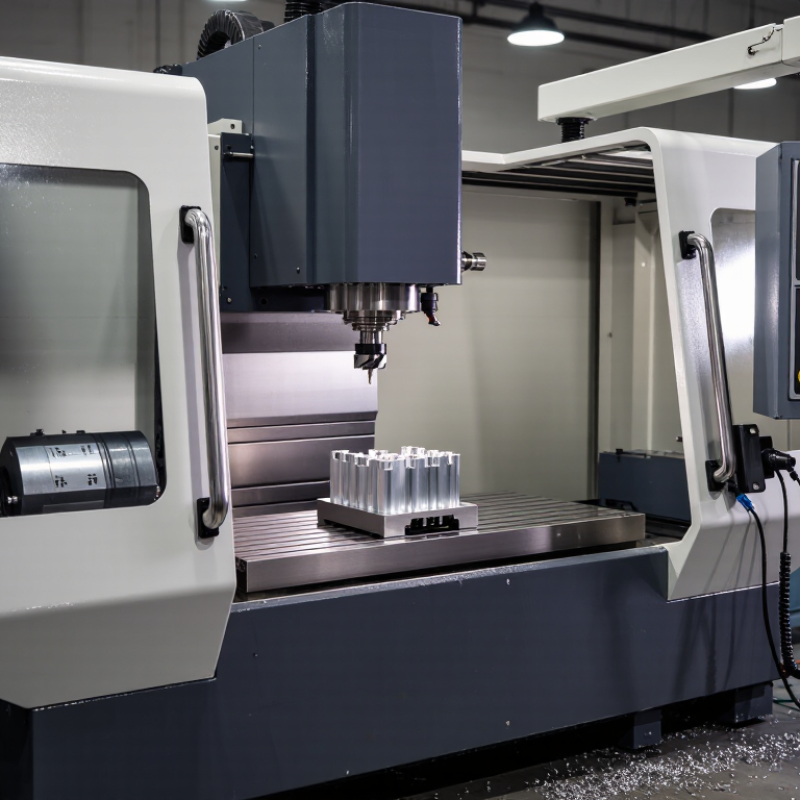
A cnc mill machine is a computer-controlled tool that removes material to create precise parts. It uses a rotating cutting tool and a secured workpiece, often made from aluminum, steel, plastic, or wood. The machine follows programmed instructions, moving the tool or table along selected axes. In a workshop, this can mean turning a solid block into a bracket, slot, or fitted housing.

The process begins with a digital design and a toolpath created in manufacturing software. The program tells the machine where to move, how fast to cut, and when to change tools. An operator then clamps the material, checks the setup, and runs the job. Small details matter. A loose workpiece or incorrect tool offset can affect dimensions and surface finish. Sensors and careful inspection help, but they do not replace sound setup practices.

CNC milling is valued for repeatability and for producing shapes that would be difficult to machine by hand. Yet it is not automatic perfection. Tool wear, heat, vibration, and material behavior can all influence the result. Even a clean-looking part may need measurement with calipers or a micrometer before it meets a drawing’s tolerances. Understanding how a cnc mill machine works makes it easier to choose suitable equipment, interpret its capabilities, and ask better questions about production. The machine does the motion. People still make the important decisions. That distinction is easy to overlook.
What Is a CNC Mill Machine and How Does It Work?

What Is a CNC Mill Machine?

A CNC mill machine is a computer-controlled tool that removes material from a workpiece with a rotating cutting tool. CNC means computer numerical control. The machine follows programmed instructions to move the tool, the workpiece, or both along set axes. A machinist may use it to cut slots, drill holes, or shape a metal block. Small details matter.

The control system coordinates the spindle, cutting tool, and workholding setup. For example, a steel part must be clamped firmly before the tool follows its cutting path. The program sets movements and speeds, but it cannot correct every poor setup. That part still needs skilled judgment.

Grand View Research valued the global CNC machine market at USD 101.22 billion in 2023, while noting that its figures cover CNC machines broadly, not milling machines alone (CNC Machine Market Size, Share & Trends Analysis Report, 2024). The growth is notable, but market size does not tell a shop whether a particular mill suits its work. Material, tolerance, and part geometry all matter. And the setup can still be wrong.

What Are the Main Components of a CNC Mill?

A CNC mill is a machine tool whose controller directs cutting movements from programmed instructions. Its frame includes a heavy base and column, which support the table, spindle, and moving axes. The base absorbs vibration; the column helps keep the spindle aligned. A workpiece sits on the table, often secured in a vise or with clamps. Small details matter. Loose fixturing can spoil a cut, even when the program is correct.

The spindle holds and rotates the cutting tool. The X, Y, and Z axes move the tool or workpiece in three directions, while motors and feedback devices help track position. A CNC controller interprets the program and coordinates those movements. Many mills also include a tool changer, coolant system, and chip enclosure. In practice, these parts do not work in isolation. A warm spindle or a chip trapped under a fixture can affect accuracy; that is easy to underestimate.

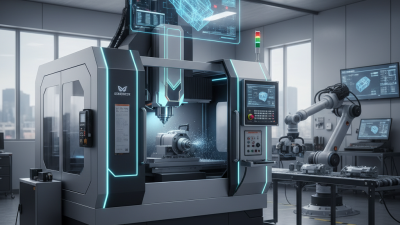
Automation may connect mills with robots and other production equipment. The International Federation of Robotics reported 553,052 industrial robot installations worldwide in 2022 in its World Robotics 2023 report. That figure describes industrial robots, not CNC mills, but it shows why controller interfaces and safe material handling matter in modern production cells. A mill’s essential components remain mechanical, electrical, and control systems working together. The weakest interaction is often the one operators inspect least.

How Does a CNC Milling Process Work?

A CNC milling process turns a digital design into a shaped part through controlled cutting. The operator prepares a CAD model, then uses CAM software to create toolpaths. These paths define where the cutter moves, how fast it travels, and how deeply it cuts. The machine reads the resulting instructions and moves the workpiece or cutting tool along programmed axes.

Before machining, the workpiece is clamped firmly to the table. The operator checks the tool, sets the work origin, and confirms key settings such as spindle speed and feed rate. Then the cutter removes material in planned passes. A roughing pass removes most excess stock; finishing passes create the final surfaces and dimensions. Some machines change tools automatically, while others need manual changes. In practice, the sequence looks tidy on paper, but a slightly loose clamp or incorrect origin can spoil a part. Small checks matter.

Tips: Keep the workpiece secure, verify the toolpath in simulation, and measure the first finished part. Watch for unusual vibration or heat. They can signal a problem. Even careful setups may need adjustment, so record useful changes for the next run.

What Is a CNC Mill Machine and How Does It Work?

A CNC mill follows programmed instructions to move a rotating cutting tool and remove material from a workpiece. Cutting speed is one of the parameters selected for the material and tool.

Illustrative starting cutting speeds for carbide end mills (m/min). These approximate values vary with the specific tool, material grade, machine, and setup; manufacturers’ tooling data and test cuts should guide final settings.

What Materials and Operations Can CNC Milling Handle?

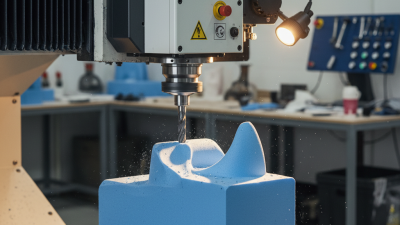
A CNC mill removes material with a rotating cutter while the workpiece is held on a table. Programmed toolpaths guide the cutter across multiple axes, turning a solid blank into a precise part. Common choices include aluminum, steel, brass, engineering plastics, wood, and some composites. Each material needs suitable cutters, speeds, feeds, and clamping. A setting that cuts aluminum cleanly may melt plastic or wear a tool quickly.

Typical operations include face milling flat surfaces, pocketing recessed areas, cutting slots, drilling holes, and contouring curved edges. A mill can also produce tapped holes when the setup and tooling support them. The result depends on more than the machine: tool reach, part rigidity, chip removal, and tolerance requirements all matter. Thin walls can vibrate, leaving marks that look minor but affect fit.

Tips: Match the cutter and cutting data to the material, and secure the part close to the cutting zone. Check chips and tool wear during a run. Small test cuts help. Still, a test piece cannot reveal every issue in a complex setup.

What Is a CNC Mill Machine and How Does It Work? - What Materials and Operations Can CNC Milling Handle?

Material Typical Examples Milling Suitability Common CNC Milling Operations Important Considerations
Aluminum 6061, 7075 Generally easy to machine; widely used for lightweight parts. Face milling, pocketing, slotting, drilling, contouring Use suitable cutting tools and chip evacuation to help prevent built-up material on the cutting edge.
Carbon steel Low-carbon and medium-carbon steel Suitable for milling; cutting difficulty depends on grade and hardness. Face milling, shoulder milling, pocketing, drilling, tapping Tool choice, machine rigidity, and cutting conditions should account for material hardness and heat.
Stainless steel Austenitic and martensitic grades Machinable, but often more demanding than aluminum or mild steel. Slotting, contouring, pocketing, drilling, thread milling Avoid dwelling in one spot; work hardening and heat can accelerate tool wear.
Brass Common free-machining brass grades Often machines readily and can produce clean features. Profiling, slotting, drilling, pocketing, engraving Secure the workpiece firmly, particularly when machining thin or small parts.
Copper Commercially pure copper and copper alloys Can be milled, though its softness and ductility may make chip control challenging. Face milling, channel milling, pocketing, drilling Sharp tools and effective chip removal help reduce smearing and poor surface finish.
Titanium Common titanium alloys Milling is possible but typically requires careful process control. Adaptive roughing, pocketing, profiling, finishing Low thermal conductivity can concentrate heat near the cutting zone; use rigid setups and suitable tooling.
Engineering plastics Acetal, nylon, polycarbonate, PEEK Generally machinable, but materials differ in stiffness, heat response, and moisture sensitivity. Profiling, pocketing, slotting, drilling, light facing Control heat and clamping pressure to limit melting, deformation, or dimensional changes.
Fiber-reinforced composites Carbon-fiber and glass-fiber laminates Can be machined with appropriate tooling and dust-control measures. Trimming, profiling, drilling, shallow pocketing Tool wear, delamination, and airborne dust are key concerns; use suitable extraction and personal protection.

CNC milling uses a rotating cutting tool and programmed toolpaths to remove material from a secured workpiece. Actual capabilities and achievable tolerances depend on the machine, tooling, setup, material, and part geometry.

Where Are CNC Mills Used?

CNC mills are used wherever parts need accurate, repeatable cuts from metal, plastic, or composite stock. In aerospace workshops, they machine brackets, housings, and other components with pockets and drilled features. Automotive suppliers use them for engine parts, fixtures, and prototype components. Medical-device manufacturers mill small instrument parts, where smooth surfaces and controlled dimensions matter. Toolrooms also rely on mills for molds, dies, and custom jigs. A familiar scene: a clamped aluminum block, a spinning cutter, and chips collecting around the vise.

Use is broader than one industry. Yet a CNC mill is not automatically the best choice; part size, material, production volume, and setup time all matter. Grand View Research estimated the global CNC machine market at USD 101.22 billion in 2023. That figure covers CNC machines generally, not mills alone, so it signals market scale rather than mill-specific demand. Deloitte’s 2024 manufacturing industry outlook also describes continued investment in digital and automated production. In practice, mills fit well when parts need precise flat faces, slots, holes, or complex contours. They can also be slower to set up for one-off work. That trade-off is easy to overlook. A skilled machinist still matters.

Back To Top