What is CNC Milling and How Does It Benefit Your Business?
CNC milling has revolutionized the manufacturing industry. This advanced technology allows precise machining of various materials. According to industry expert John Smith, "CNC milling is the backbone of modern manufacturing." His insights highlight the vital role of CNC milling in business success.
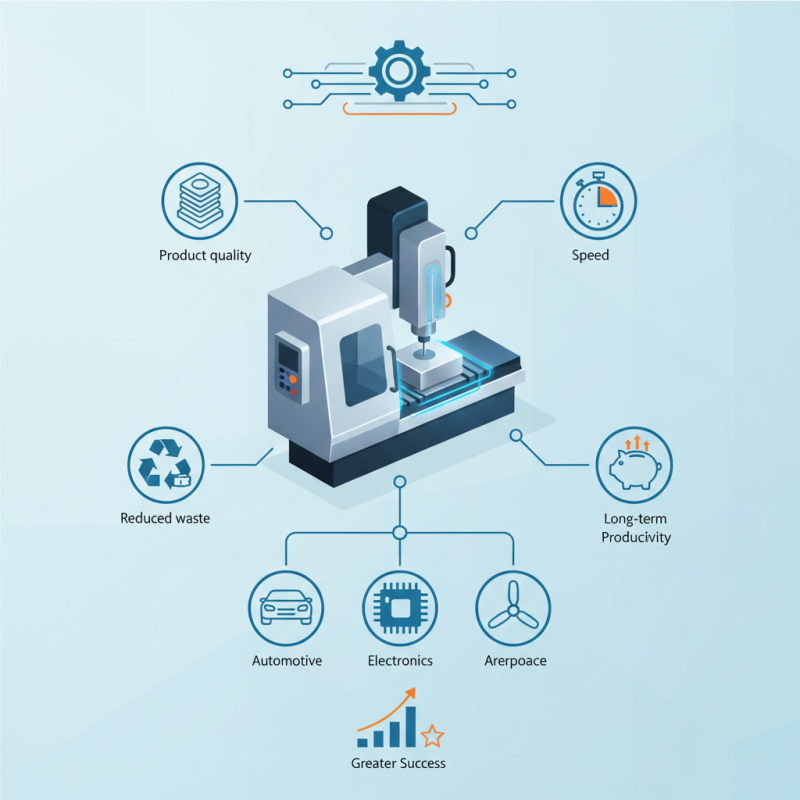
Many companies are turning to CNC milling for its efficiency. This method reduces waste, saves time, and enhances product quality. It allows for complex designs that traditional methods struggle to achieve. Yet, some businesses hesitate, fearing high initial costs. They may overlook the long-term savings and increased productivity.
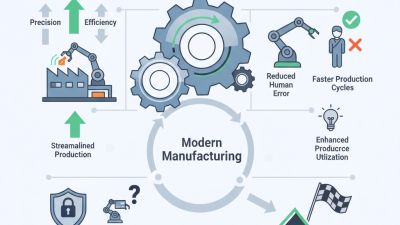
Understanding CNC milling can seem complex. However, its benefits are clear. Precision, speed, and versatility are just a few advantages. By embracing this technology, businesses position themselves for greater success. Reflecting on these aspects reveals the transformative potential of CNC milling in various industries.
What is CNC Milling?
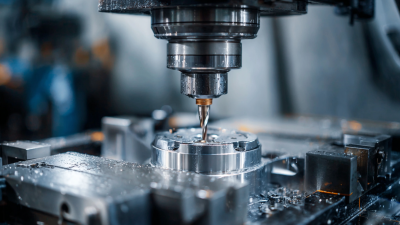
CNC milling is a precise machining process. It uses computer-controlled milling machines to remove material from a workpiece. This technique allows for the creation of complex shapes and intricate designs. CNC mills are versatile tools that can work with various materials, including metals, plastics, and wood.
The benefits of CNC milling are significant. It enhances productivity and boosts accuracy. The automated nature of CNC machines reduces human error. This means parts fit better in assembly processes. Additionally, CNC milling can handle multiple operations in one setup. This reduces production time and cuts costs. However, not every design is suitable for CNC milling. Designers must consider the machine’s limitations when creating parts.
Investing in CNC milling technology provides long-term gains. Companies can produce high-quality products at a lower cost. However, the initial investment can be significant. Businesses must weigh the costs against the benefits before moving forward. Regular maintenance is essential to avoid downtime. Companies might need training to maximize the machine's effectiveness.
The Process of CNC Milling Explained
CNC milling is a precise manufacturing process that transforms raw materials into intricate designs. The process employs computer numerical control to guide milling machines. This technology allows for the creation of complex shapes with high accuracy. According to a report from Allied Market Research, the CNC milling market is expected to reach $9.8 billion by 2027, reflecting a compound annual growth rate (CAGR) of 6.1%.
Understanding the process is crucial for businesses aiming to enhance efficiency. CNC milling involves several steps, including programming, setup, and actual milling. First, a CAD model is created. Then, the CNC machine is programmed and calibrated. The final step involves the machine cutting the material based on this programming. Precision is key, as errors can lead to material waste or product flaws. In fact, industry data suggests that 30% of all manufacturing waste is generated from inefficiencies in machining processes.
While CNC milling offers many advantages, challenges exist. Not every design translates well into a CNC process. Complicated parts may require extensive setup time or custom tooling. Additionally, businesses may face initial costs if they are new to CNC technology. However, companies that invest wisely in CNC milling often see a return in productivity and quality over time. Understanding these nuances can help engineers and managers optimize their production processes effectively.
What is CNC Milling and How Does It Benefit Your Business?
| Feature |
Description |
Benefits |
| Precision |
CNC milling machines offer high levels of precision, capable of producing detailed parts. |
Ensures parts fit together correctly, reducing waste and increasing efficiency. |
| Speed |
Automated processes significantly reduce production time compared to manual machining. |
Faster turnaround times can lead to increased customer satisfaction. |
| Material Versatility |
CNC milling can work with a wide range of materials, including metals, plastics, and composites. |
Allows businesses to create diverse products tailored to customer needs. |
| Reduced Labor Costs |
CNC machines require fewer operators and less manual oversight. |
Lower operational costs can improve overall profit margins. |
| Design Flexibility |
Easily adjustable machine programs enable rapid changes to designs. |
Facilitates faster adaptation to market changes without significant downtime. |
Key Advantages of CNC Milling for Businesses
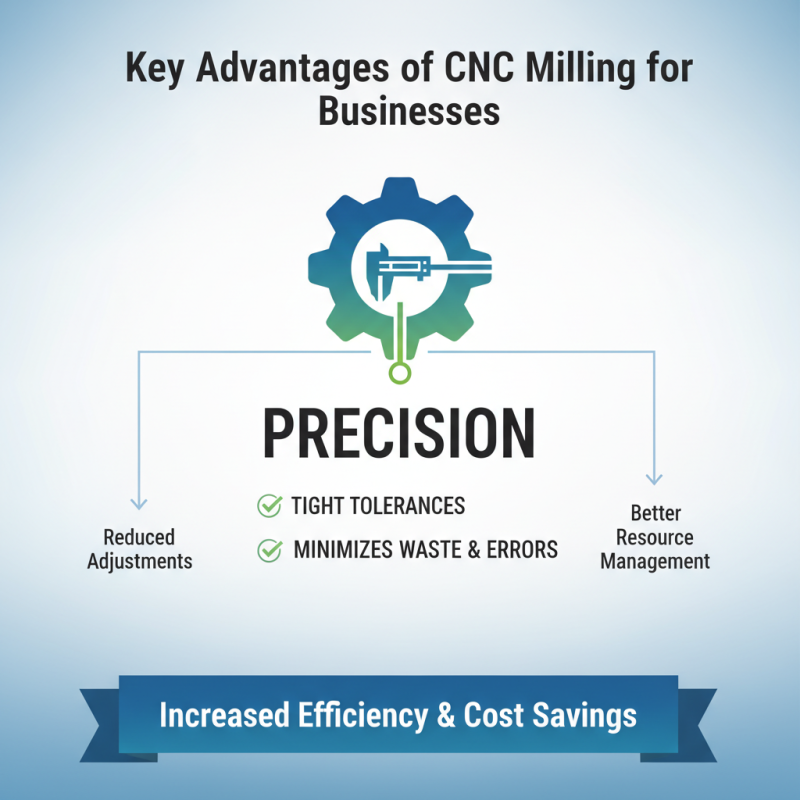
CNC milling has gained traction for its numerous benefits to various industries. One key advantage is precision. CNC machines produce parts with tight tolerances. This level of accuracy minimizes waste and reduces the need for repetitive adjustments. Companies observe a significant reduction in production errors, leading to better resource management.
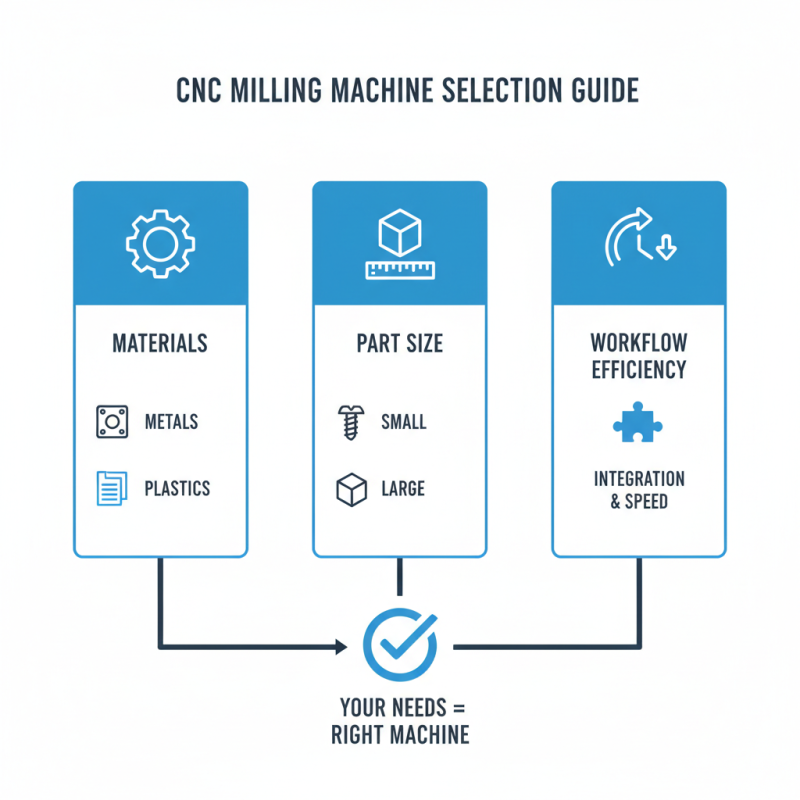
Another important factor is efficiency. CNC milling operates continuously, providing faster production cycles. Businesses can fulfill orders quickly without compromising quality. Many manufacturers appreciate the automation aspect. However, there can be a steep learning curve when integrating these machines into existing workflows. The need for trained personnel can also be a challenge, requiring investment and time.
Cost savings is a critical advantage. While the initial setup may be expensive, the long-term benefits are significant. Reduced labor costs and fewer materials wasted lead to overall savings. Companies often report an increase in output, allowing them to stay competitive. Yet, initial investments must be carefully evaluated to align with business goals. Moving to CNC milling offers companies a chance to innovate and improve their production capabilities.
Applications of CNC Milling in Various Industries
CNC milling has found its way into numerous industries, proving its versatility and effectiveness. In the automotive sector, it allows for the precise shaping of components like gears and engine parts. This precision enhances both performance and reliability. Manufacturers can produce complex designs that traditional methods cannot achieve.
Aerospace also benefits from CNC milling. Lightweight components are essential for fuel efficiency. With CNC technology, manufacturers can create intricate shapes that meet stringent safety standards. This contributes to the overall performance of aircraft.
The medical industry uses CNC milling for producing surgical instruments and prosthetics. Customization is vital in healthcare. CNC milling provides the capability to create tailored solutions for patients. However, challenges exist in ensuring quality control during mass production. Continuous improvement is necessary to address these complexities.
Applications of CNC Milling in Various Industries