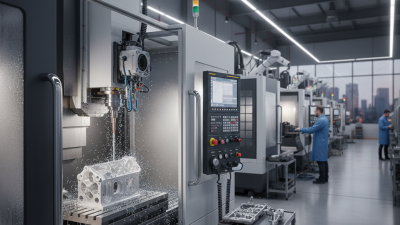
Top CNC Solutions for 2026 What to Expect in Global Sourcing?
As the landscape of global manufacturing evolves, the demand for CNC solutions continues to grow. According to MarketsandMarkets, the CNC machine market is projected to reach $117.2 billion by 2026, reflecting a compound annual growth rate (CAGR) of 6.8%. This growth signals a pivotal shift in how industries approach precision machining and automation. Companies are increasingly relying on CNC technology to enhance productivity and reduce operational costs.
In 2026, we can expect a surge in advanced CNC solutions that integrate artificial intelligence and machine learning. These advancements aim to improve accuracy and operational efficiency. Insights from the International Federation of Robotics indicate that the use of collaborative robots alongside CNC machines will rise significantly. However, businesses must navigate challenges, such as high initial investments and the need for skilled labor.
The future of CNC solutions is promising, yet it presents fundamental questions. How can companies balance innovation with cost? Are they prepared to manage the skills gap in this evolving landscape? Addressing these concerns will be crucial for success in the competitive global market.
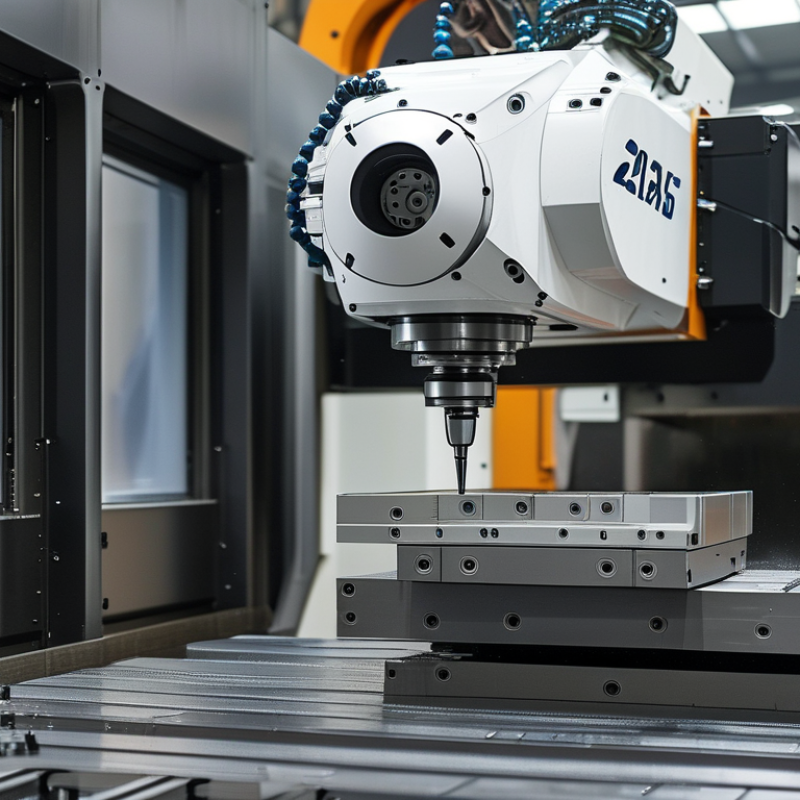
Overview of CNC Technology Trends for 2026
As we look ahead to 2026, the landscape of CNC technology is evolving rapidly. A report from Technavio predicts a compound annual growth rate of over 8% for the CNC machine market. This growth is driven by advancements in automation and the integration of IoT within CNC systems. Companies are leveraging smart manufacturing strategies to enhance productivity and reduce operational costs. Enhanced connectivity allows machines to communicate seamlessly, enabling predictive maintenance and minimizing downtime.
Artificial intelligence is playing a crucial role in shaping CNC operations. Automation through AI techniques can optimize the machining process by analyzing real-time data. A survey by Deloitte indicates that 47% of manufacturing companies are adopting AI to improve their production efficiency. However, the challenge lies in the integration of new technologies into existing workflows. Many manufacturers struggle with upskilling their workforce to adapt to these advancements, leading to concerns about job displacement and the skills gap.
Sustainability is another key trend set to influence CNC sourcing strategies. A report from the International Energy Agency highlights that energy-efficient machinery can significantly reduce operational carbon footprints. By 2026, eco-friendly manufacturing processes will be a critical consideration for sourcing decisions. Companies may face difficulties in balancing performance with environmental impact. Embracing sustainable practices can enhance brand reputation but requires careful planning and investment. The path forward must address these complexities to thrive in a competitive global market.
Key Factors Influencing Global Sourcing in CNC Manufacturing
In 2026, global sourcing in CNC manufacturing faces evolving challenges and opportunities. Key factors influencing this landscape include technological advancements, economic trends, and supply chain resilience. According to a report by McKinsey, 70% of companies are investing in digital solutions to improve operational efficiency. Automation and AI play crucial roles in enhancing productivity and reducing costs.
Sustainability is another major consideration. Companies are increasingly prioritizing eco-friendly practices. A survey by Deloitte highlighted that 60% of manufacturers are adopting green sourcing initiatives. This shift requires a reassessment of sourcing strategies to align with environmental goals. It leads to discussions on balancing cost and sustainability.
Geopolitical relations also impact global sourcing. Trade policies and tariffs can disrupt supply chains. A study by PwC indicated that 40% of businesses have reconsidered their sourcing locations due to geopolitical tensions. Navigating these factors is essential for maintaining competitiveness in the CNC sector. Companies must be agile and responsive to shifting dynamics in the global market.
Top CNC Solutions for 2026 - Key Factors Influencing Global Sourcing in CNC Manufacturing
| Factor |
Description |
Impact on Global Sourcing |
Expected Trends (2026) |
| Technological Advancements |
Integration of AI and IoT in CNC machining |
Increased efficiency and accuracy in manufacturing |
Widespread adoption of smart factories |
| Supply Chain Dynamics |
Impact of global events on supply chains |
Potential disruptions and the need for diversifying sourcing |
More localized sourcing strategies |
| Cost of Raw Materials |
Fluctuations in material costs due to global market trends |
Pressure on profit margins |
Increased investment in alternative materials |
| Regulatory Changes |
Evolving regulations regarding manufacturing practices |
Compliance costs and operational changes |
Stricter environmental regulations |
| Workforce Trends |
Availability and skill levels of labor |
Impact on operational capabilities |
Increased focus on training and upskilling |
Emerging CNC Solutions and Innovations to Watch
The landscape of CNC solutions is rapidly evolving. In 2026, we can expect to see several notable trends. Automation in CNC machines is a game changer. These machines are increasing efficiency and precision, reducing human error. Real-time monitoring technology will play a crucial role. This innovation enables manufacturers to identify issues swiftly, minimizing downtime.
Sustainability is another vital focus. Emerging CNC solutions are integrating eco-friendly practices. Energy-efficient machines and sustainable materials are on the rise. Manufacturers will likely need to adapt their sourcing strategies to remain competitive. The challenge lies in balancing innovation with ecological responsibility. Companies must invest in training their workforce to comprehend these new technologies.
Additionally, the rise of customizability in CNC processes is noteworthy. Consumers expect tailored solutions, pushing businesses to rethink their production methods. Flexibility in design and production will become essential. However, this can lead to complexity in supply chains. Collaboration between suppliers and manufacturers must evolve to address these challenges.
Top CNC Solutions for 2026
This chart illustrates the projected growth in various CNC technologies and solutions expected to shape global sourcing in 2026. The data represents the estimated market share expansion of these emerging innovations.
Challenges in Global CNC Sourcing and Production
Global CNC sourcing faces several challenges that impact production efficiency and quality. One major issue is the fluctuating availability of skilled labor. Many countries are experiencing a shortage of trained technicians, which affects the consistency and precision of CNC operations. Moreover, varying training standards across regions create discrepancies in output quality.
Supply chain disruptions are another concern. Global events, like pandemics or geopolitical tensions, can delay shipments and inflate costs. Companies must adapt quickly to these changes, often leading to increased waste and rework. It's vital for manufacturers to build resilient supply chains that can withstand these disruptions.
To navigate these challenges effectively, consider diversifying your supplier base. This can reduce dependence on a single source and enhance flexibility. Establishing strong relationships with suppliers can also facilitate better communication during crises. Regularly reviewing processes and adapting to technological advancements will keep operations competitive and efficient.
Future Directions for Sustainable CNC Practices
Sustainable CNC practices are crucial as we approach 2026. Many manufacturers are re-evaluating their processes. The shift towards greener technologies is evident in new materials and methods. Using alternative materials reduces reliance on plastics. Also, integrating energy-efficient machinery can cut down consumption.
Adopting lean practices in CNC can reduce waste. This includes optimizing the use of tools and minimizing scrap. However, not all machines are designed for sustainability. Some lack the capability to be modified for greener options. This presents a challenge for industries aiming for eco-friendliness.
Regulatory pressures are also increasing. Many countries are pushing for stricter environmental guidelines. Companies must adapt to maintain competitiveness. The journey towards sustainable CNC practices is ongoing and complex. Stakeholders need to work together to share knowledge. This collaboration can ultimately drive innovation and improve results.