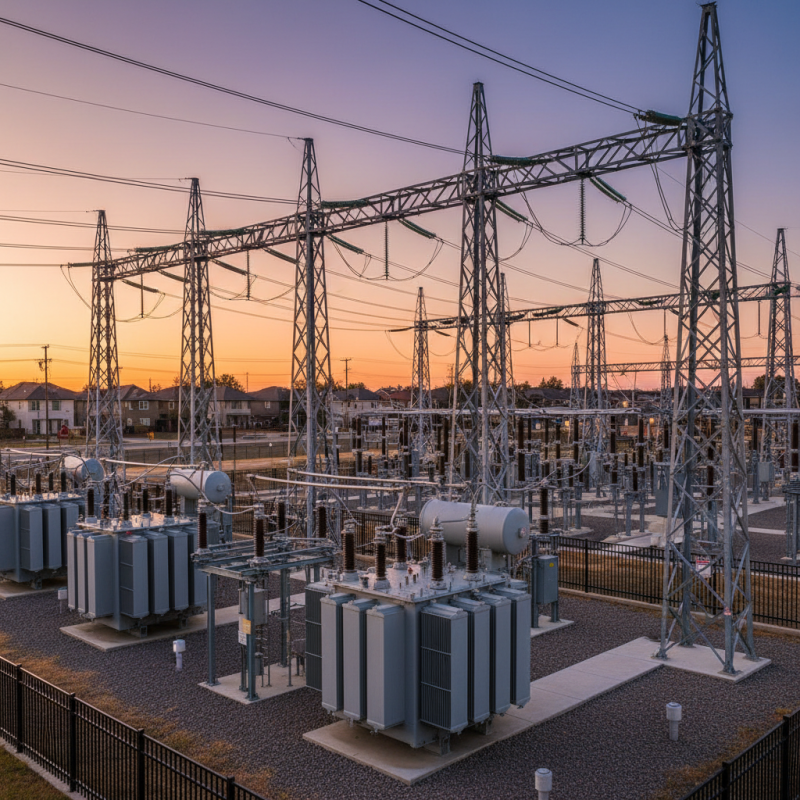
What is an Electrical Substation and Why is it Important?
An Electrical Substation plays a pivotal role in today's energy infrastructure. These facilities transform voltage levels in power systems. They connect high-voltage transmission lines to lower-voltage distribution networks. Without substations, electricity cannot easily reach homes and businesses.
An Electrical Substation is more than just a hub for electrical energy. It houses various components, such as transformers and circuit breakers. These parts work together to ensure the safe and efficient distribution of power. Proper maintenance of these substations is crucial for preventing outages.
Understanding the importance of an Electrical Substation can help communities better appreciate their energy sources. While advancements in technology boost efficiency, challenges still exist. Aging equipment and increasing demand require ongoing attention. Addressing these issues can improve reliability and safety in energy delivery.
What is an Electrical Substation? A Comprehensive Definition
Electrical substations play a vital role in our power distribution system. They are pivotal in transforming voltage levels, connecting power plants to the grid. An electrical substation consists of transformers, circuit breakers, and switches. These components ensure the efficient delivery of electricity to homes and businesses.
Understanding how substations work is essential. They receive high voltage electricity from transmission lines. Then, they convert this electricity to a lower voltage suitable for distribution. This process enhances safety and minimizes energy loss.
**Tips:** When learning about substations, consider their layout and flow of electricity. Visual aids can help clarify complex processes. Additionally, take note of how energy travels through different stages of the substation. Reflecting on these details makes the function of substations clearer. Understanding their role reminds us of our reliance on electricity.
Substations are often overlooked. Yet, they ensure our daily convenience. Without them, our electricity supply would be unstable and inefficient. Acknowledging their importance can inspire better energy conservation practices.
Key Components of Electrical Substations and Their Functions
Electrical substations are critical in the power distribution network. They transform high-voltage electricity to lower voltages suitable for consumer use. Several key components contribute to their functionality.
Transformers are at the heart of any substation. They step down voltage levels. This process ensures that electricity can safely reach homes and businesses. Circuit breakers are also essential. They protect the system from overload and faults. By interrupting the flow of electricity, they prevent potential damage.
Tips: Regular maintenance of transformers is crucial. Inspect connections periodically to avoid power loss. Keep an eye on the condition of circuit breakers. Any signs of wear should prompt immediate action.
Another important component is the bus bar. It distributes electricity to various outgoing lines. Proper sizing and placement are vital for efficiency. Protection relays monitor anomalies in the system. They signal when an issue arises. Swift detection can minimize downtime and avoid costly repairs.
Tips: Ensure that protection relays are tested routinely. This practice can help in identifying potential problems early. Keeping detailed records of inspections will enhance reliability.
The Role of Electrical Substations in Grid Reliability and Stability
Electrical substations are vital components of electrical grids. They ensure efficient power distribution, converting high voltage electricity for safe usage. Their role in grid reliability cannot be overstated. According to the U.S. Department of Energy, over 70% of electric outages are related to failures in substations.
These facilities help stabilize the grid. They manage voltage levels and supply adequate power. This ensures that homes and businesses receive consistent electricity. In a world increasingly dependent on technology, the reliability offered by substations is crucial. The North American Electric Reliability Corporation reports that proper maintenance of substations can reduce outages by nearly 30%.
Tips: Regular checks on substation equipment enhance safety. Install new monitoring technologies to detect issues early. Educating staff about the importance of substations can also improve overall grid resiliency.
Statistics on Electrical Substation Performance and Capacity
Electrical substations are vital components of the power distribution network. They transform voltage levels and manage electricity flow. Understanding their performance is crucial for ensuring a stable energy supply.
Recent statistics highlight the importance of substations. For instance, a well-maintained substation can reduce downtime by over 30%. Furthermore, substations operate at an optimal efficiency of 95%, a benchmark that reflects their capacity to handle electricity demands. However, equipment failures still occur, leading to significant outages. This raises questions about maintenance practices.
Tip: Regular inspections and updates are essential. Scheduling preventative maintenance can improve reliability. Additionally, consider adopting smart technologies for real-time monitoring. These innovations can prevent failures and enhance performance metrics.
Capacity management is also key. Substations must adapt to evolving demands. Load forecasting can ensure that capacity meets future energy needs. However, missed forecasts can lead to strain on the system, highlighting vulnerabilities.
Tip: Analyze historical data to improve predictions. Collaborate with engineers for precise assessments. Such steps can enhance overall operational efficiency and reliability in the long run.
Future Trends in Electrical Substation Technology and Infrastructure
Electrical substations play a critical role in the power distribution network. As we look toward the future, advancements in substation technology become increasingly important. The global electrical substation market is expected to reach $40 billion by 2027, growing at a significant pace due to the rise of renewable energy sources and smart grid technologies.
One prominent trend is the integration of digital technologies. Smart substations are becoming the norm. They utilize real-time monitoring and data analytics to optimize efficiency. A report by the International Energy Agency highlights that digital substations can reduce operational costs by 20%. Additionally, automation helps in minimizing human error. However, many facilities still rely heavily on outdated systems. This inconsistency poses risks to reliability and safety.
Investments in microgrid technology are also transformative. Microgrids enhance resilience by allowing localized control of power distribution. Research indicates that nearly 60% of utility firms are now exploring microgrid solutions. This shift towards decentralized systems has its challenges, such as regulatory hurdles and initial capital costs. Addressing these issues is crucial for a successful transition to modern energy infrastructure.