10 Essential Tips for Mastering 3D CNC Machine Techniques?
The world of manufacturing is rapidly evolving, and 3D CNC machines are at the forefront. These machines offer incredible precision and efficiency, revolutionizing design and production. However, mastering 3D CNC machine techniques is not an easy feat. It requires practice, knowledge, and a willingness to learn from mistakes.
Understanding the intricacies of 3D CNC technology can be daunting. Many enthusiasts stumble during their journey. Common errors can lead to wasted materials and time. Embracing these challenges is crucial for growth. Experiencing setbacks encourages reflection and improvement. Every misstep can teach valuable lessons in technique and design.
By employing essential tips, you can enhance your 3D CNC machine skills. These insights offer a pathway to becoming more adept in your craft. Whether you are a novice or an experienced user, refining your approach can lead to remarkable outcomes. As you dive deeper into this art, remember that every expert was once a beginner.

Understanding the Basics of 3D CNC Machines and Their Applications
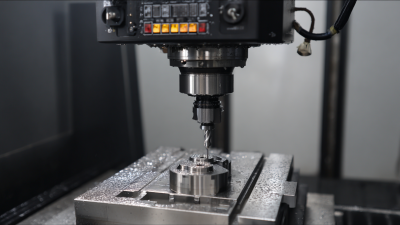
3D CNC machines have revolutionized manufacturing. They use computer-controlled tools to create precise shapes and designs. These machines are essential in industries like aerospace, automotive, and even art. Understanding their basics can help anyone looking to enter the world of CNC machining.
At the core of 3D CNC technology is the process of subtractive manufacturing. It involves removing material from a solid block to achieve the desired form. Common materials include metal, wood, and plastic. The precision of 3D CNC machines is impressive; however, it often requires adjustment and practice. Mistakes can lead to wasted material or faulty designs.
Applications of 3D CNC machines extend beyond just production. They are used to create prototypes and models. This provides designers with tangible items to assess. Feedback plays a critical role in improving the final product. Machine operators must be ready to learn from errors and adapt their techniques. Each project brings its unique challenges, making reflection and adjustment key to mastering these powerful tools.
Choosing the Right Tools and Materials for 3D CNC Projects
Choosing the right tools and materials is crucial for successful 3D CNC projects. Begin by selecting the appropriate CNC machine based on your project needs. Consider size, precision, and type of cuts. A smaller machine is great for intricate designs, while larger machines handle bigger materials. Don’t overlook the software either; it should support the complexity of your designs.
Material selection influences the outcome significantly. Common choices include wood, plastic, and metal. Each material reacts differently to machining. Wood is forgiving and easy to shape, while plastic can offer vibrant designs. Metal, though more challenging, provides durability. Test your selected materials before committing fully. Mistakes in choice can lead to wasted time and resources.
Before starting, think about the cutting tools as well. Bits come in various shapes and sizes, impacting your finish. A sharp bit ensures cleaner cuts, while a dull one can produce rough edges. Experimenting with different bits can enhance your projects. Reflect on past experiences and learn from any mishaps. Every mistake is a chance to improve your technique.
Essential Software for Designing and Programming 3D CNC Designs
In the world of 3D CNC machining, software selection plays a crucial role. Designers and engineers need robust tools for effective programming. Softwares like CAD and CAM streamline this process, reducing time from concept to production. According to industry reports, the right software can improve design accuracy by up to 30%. That’s significant for maintaining quality and minimizing waste.
However, software choice isn't always straightforward. User experience varies significantly, often leading to confusion and inefficiency. For instance, complex interfaces can slow down workflow. Studies suggest that nearly 40% of users struggle with software navigation, causing frustration. It’s essential to invest time in training and experimentation, as technical proficiency is not achieved overnight.
Consider the evolving demands on skills. Many professionals feel they lack the necessary software expertise. A survey showed that only 50% of CNC machinists felt comfortable with their software tools. Understanding the software’s full capabilities can take months, or even years, of dedicated practice. It’s important to reflect on these challenges for continuous improvement.
Techniques for Optimizing Cutting Speed and Precision in 3D CNC
Mastering 3D CNC machine techniques requires a keen focus on optimizing cutting speed and precision. A recent industry report highlighted that reducing cutting time by just 10% can significantly enhance overall productivity. Effective tool selection plays a critical role in this. Using high-speed steel or carbide tools can increase feed rates by up to 30%. However, incorrect tool choice may lead to excessive wear or even damage to the workpiece.
Another key factor is the adjustment of feed rates and spindle speeds. Studies indicate that an optimized feed rate can improve surface finish quality and reduce cycle time. Finding the perfect balance is crucial. Too high a speed may result in poor accuracy, while too low can waste time. Operators must frequently analyze their settings to avoid common pitfalls. Regularly reviewing machining parameters helps identify areas for improvement.
Moreover, machine maintenance cannot be overlooked. Regular upkeep ensures machines run smoothly and within specified tolerances. Neglecting maintenance can lead to severe errors during operation. In fact, reports reveal that improper maintenance can increase downtime by 25%. Thus, continuous evaluation and adjustments in 3D CNC machining practices are essential to achieving the best results.
Best Practices for Safety and Maintenance in 3D CNC Operations
Safety and maintenance are crucial in 3D CNC operations. Proper gear is necessary to protect against moving parts. Safety glasses and ear protection should always be worn. It's easy to overlook these small details, especially in a busy workshop. Neglecting safety can lead to serious injuries.
Regular maintenance checks are vital. Clean the machine thoroughly after each use. Dust and debris can harm the components. Lubrication of moving parts prevents wear and tear. Many people forget to check for worn belts. This oversight can lead to machine failure during operation.
Training for operators is essential. Familiarize them with safety protocols and emergency procedures. However, accidents can still happen despite training. Always have a first aid kit accessible. Encourage a culture of safety awareness among staff. Make it a priority to reflect on safety practices regularly.
10 Essential Tips for Mastering 3D CNC Machine Techniques
This chart illustrates the mastery levels (on a scale of 1 to 10) across various essential tips for effective 3D CNC machine operation. Each tip represents a crucial aspect of CNC machining practices that contribute to safer and more efficient workflows.