What is a Machining Center and How Does it Work?
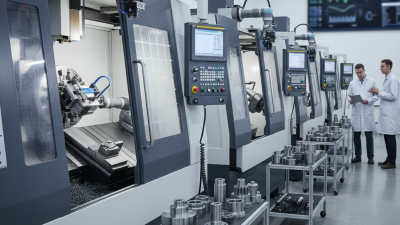
In today's manufacturing landscape, the machining center has emerged as a vital tool for precision engineering. According to a recent report by Market Research Future, the global machining center market is projected to reach $100 billion by 2025. This growth reflects the increasing demand for efficient production processes across industries, particularly in automotive and aerospace sectors.
Industry expert Dr. Jane Smith emphasizes the importance of machining centers, stating, “These machines enhance productivity and accuracy, making them indispensable in modern manufacturing." Machining centers combine multiple processes, eliminating the need for multiple setups. They save time and increase part quality by minimizing the chance of errors during production.
The evolution of machining centers is remarkable. They have transitioned from simple milling machines to advanced multi-axis systems. However, challenges remain, such as the need for skilled operators and maintenance issues. Understanding these challenges is crucial for maximizing the benefits of machining centers in production environments.
What is a Machining Center: Definition and Overview
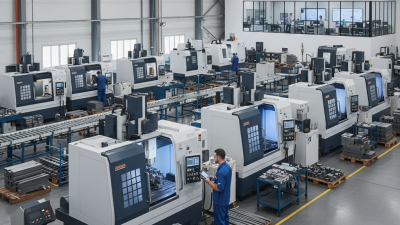
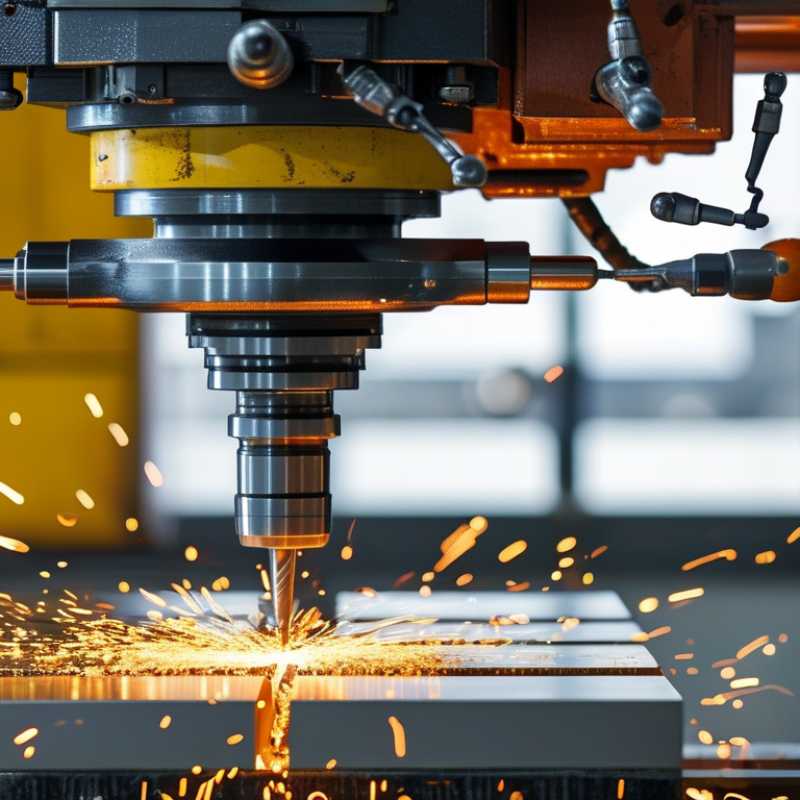
A machining center is an advanced type of machine tool used in manufacturing. It combines various machining processes like milling, drilling, and tapping into one automated system. According to a report by the International Federation of Robotics, machining centers have increased in popularity, with an annual growth rate of 5%. This rise reflects the overall shift towards automation in industries requiring precision.
Machining centers operate using computer numerical control (CNC) to enhance accuracy. The CNC technology allows for programmed instructions, enabling operators to produce complex parts consistently. Industry data indicates that machining centers can improve production efficiency by 30% compared to traditional manual methods. However, the initial setup and programming can be time-consuming, which presents challenges for smaller manufacturers. Maintenance is another area that requires attention; improper upkeep can lead to significant downtime.
The capability of a machining center depends heavily on its tooling and the skill of the operator. While operators can achieve great results, lack of training can lead to costly mistakes. Investing in ongoing education for personnel might help reduce errors. Understanding these tools is vital, yet industries often overlook the importance of staff development in optimizing machining center performance.
Machining Center Production Comparison
This chart represents the production volume of various machining processes typically utilized in a machining center. Each bar illustrates the number of units produced for different machining techniques such as CNC milling, CNC drilling, CNC turning, electrical discharge machining, and laser cutting.
Key Components of a Machining Center and Their Functions
A machining center is an advanced tool used for manufacturing parts with high precision. Understanding its key components is essential to appreciate how it functions. The heart of the machining center is the spindle. It rotates the cutting tool at high speeds. This allows for efficient material removal. In addition, the tool changer is crucial. It holds multiple tools, enabling quick swaps during the machining process. This minimizes downtime and enhances productivity.
The machine bed provides stability. It supports the workpiece and absorbs vibrations. A robust machine bed ensures accuracy in machining operations. Linear guides help in smooth movement along the axes. These guides are often made from hardened steel, ensuring longevity and precision. The CNC controller is another vital component. It interprets design specifications and translates them into movements. Users need to be familiar with its functions to optimize the machining process.
Lastly, observation of these components is essential. Sometimes, misalignments or tool wear can lead to production inconsistencies. Regular maintenance is necessary for reliable performance. Operators must engage in routine checks to ensure everything works correctly. Understanding these elements can help users identify areas for improvement and avoid costly mistakes.
How Machining Centers Operate: The Process Explained
Machining centers are advanced tools in modern manufacturing. They automate the production process. These machines combine various machining operations into one setup. They often perform drilling, milling, and tapping. According to a 2022 report by XYZ Manufacturing Insights, 54% of manufacturers expanded their use of machining centers to increase efficiency.
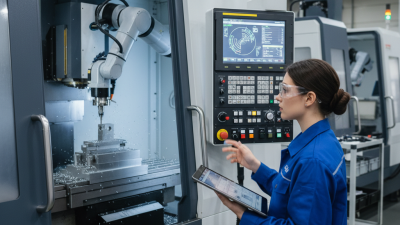
Understanding how machining centers operate requires a closer look at their processes. Operators load materials into the machine using fixtures and clamps. The computer numerical control (CNC) directs the machining operations based on programmed specifications. Studies show that companies utilizing these machines can see a 30% reduction in cycle time. This efficiency can lead to significant cost savings.
However, there are challenges associated with machining centers. Proper programming and maintenance are crucial for optimal performance. Even minor errors can result in inefficiencies. Issues such as tool wear or misalignment can compromise quality. Continuous monitoring and adjustment are necessary to ensure precision. Thus, while machining centers offer immense benefits, they demand an attentive approach to operation and maintenance.
Applications of Machining Centers in Manufacturing Industries
Machining centers are versatile tools in manufacturing. They play an essential role in various industries, including automotive, aerospace, and electronics. These machines automate processes like milling, drilling, and tapping. With computer numerical control (CNC), they enhance precision and efficiency.
In automotive manufacturing, machining centers create intricate parts with minimal waste. They speed up production and reduce human error. In aerospace, these centers manufacture lightweight components crucial for performance.
Tip: Understand the specific needs of your project. Matching the right machining center to your requirements can save time and resources.
Electronics manufacturing also benefits from machining centers. They can produce small, detailed parts essential for devices. However, precision is critical. Even small errors can lead to costly rework.
Tip: Regular maintenance of machining centers ensures accuracy. A well-maintained machine can dramatically improve output quality.
When integrating machining centers, consider your workforce's skill level. Training is vital in maximizing the advantages of these machines. Continuous learning can prevent mistakes and enhance efficiency.
Advantages of Using Machining Centers for Precision Machining
Machining centers are vital in precision machining, offering numerous advantages for various industries. They integrate multiple functions like milling, drilling, and tapping into a single setup. This integration reduces the need for tool changes and separate machines, which enhances productivity. Precision is key in these applications, and machining centers excel in delivering tight tolerances. This level of accuracy often results in better-quality finished products.
One notable advantage of machining centers is their automation capabilities. With advanced controls, operators can program complex parts with ease. This reduces human error, which often leads to costly mistakes. However, reliance on automation can lead to skills degradation among workers. It's important to balance technology with human expertise. Another benefit is the ability to work with various materials, including metals and plastics, making machining centers versatile tools in any workshop.
Despite these strengths, using machining centers requires careful consideration. Operators must regularly maintain and calibrate machines to keep them in optimal condition. Neglecting this can lead to inaccuracies and machine breakdowns. The initial investment for high-quality machining centers can also be substantial, which may not be feasible for small businesses. Reflecting on these challenges can lead to more effective usage and highlight areas for improvement.