How to Start Glass Jar Manufacturing for Global Buyers
The Glass Jar Manufacturing industry is witnessing significant growth. According to a report by Grand View Research, the global glass packaging market is projected to reach $80.6 billion by 2027, driven by consumer demand for sustainable packaging solutions. This trend offers an exciting entry point for new manufacturers.
In today's eco-conscious market, many buyers seek glass jars for their advantages over plastic. Glass jars are reusable, recyclable, and chemical-free. Many businesses, from food producers to cosmetic brands, prefer this eco-friendly option. However, starting glass jar manufacturing requires specialized knowledge and expertise.
Quality control is crucial in this industry. Manufacturers must adhere to strict safety and quality standards. Meeting these requirements can be challenging but essential for gaining credibility. New manufacturers should be prepared for a steep learning curve. Investing in research and development, as well as understanding market dynamics, is vital. Recognizing the nuances of consumer preferences will refine product offerings. Ultimately, the path to success in glass jar manufacturing demands resilience and innovation.
Understanding the Glass Jar Market: Trends and Projections for 2023
The glass jar market is evolving rapidly. In 2023, sustainability is at the forefront of consumer preferences. Buyers increasingly favor eco-friendly packaging. This trend drives the demand for glass jars, known for their recyclability and durability. Manufacturers must adapt to this shift, ensuring their products align with modern environmental concerns.
Market projections indicate growth in the food, cosmetics, and health sectors. For instance, the rise in organic products fuels the need for high-quality glass packaging. However, entering this market is not without challenges. Manufacturers face competition from plastic alternatives that are often cheaper. Balancing quality and cost remains a key issue.
To stay relevant, producers must innovate. Smart designs and functional features can attract global buyers. Investing in technology improves production efficiency. Yet, maintaining craftsmanship is equally important. Striking this balance may require continuous reflection on manufacturing practices. Understanding these market dynamics is crucial for future success.
How to Start Glass Jar Manufacturing for Global Buyers
| Dimension | Value |
| Market Size (2023) | $5.2 Billion |
| CAGR (2021-2026) | 4.3% |
| Key Regions | North America, Europe, Asia-Pacific |
| Top Applications | Food & Beverage, Cosmetics, Household Products |
| Sustainable Practices | 100% recyclable materials |
| Consumer Trends | Preference for eco-friendly products |
| Challenges | High production costs, competition from plastics |
Essential Equipment and Technology for Glass Jar Manufacturing
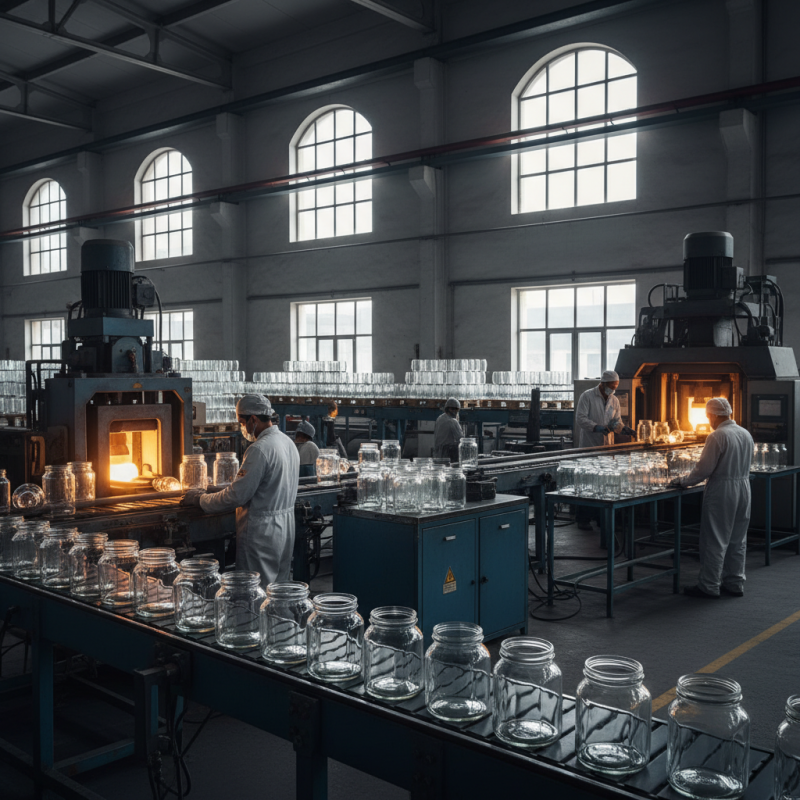
Starting a glass jar manufacturing business requires essential equipment and technology. The core machinery includes glass melting furnaces, forming machines, and annealing lehrs. Each component plays a vital role in ensuring high-quality products and efficient production.
The glass melting furnace operates at extremely high temperatures. Proper insulation and design are crucial for energy efficiency. Meanwhile, forming machines shape the molten glass into jars. These machines can be automatic or semi-automatic, impacting labor costs and production rates.
Annealing lehrs cool the jars gradually, reducing the risk of stress fractures. The right technology can enhance durability and design flexibility. Manufacturers should consider investing in automated quality control systems. This can help detect defects early, saving time and resources. However, balancing technology with skilled labor remains a challenge.
Raw Material Sourcing and Supply Chain Management in Glass Production
Sourcing raw materials is a crucial step in glass jar manufacturing. Quality materials are essential for producing durable products. Typically, silica sand, soda ash, and limestone are the main ingredients. Finding reliable suppliers for these materials is vital. Long-term relationships can ensure consistent quality and supply.
Supply chain management in glass production is complex. It involves multiple stages, from sourcing to delivery. Each stage affects the end product's quality. Disruptions can occur due to various factors, such as transportation issues or unexpected demand shifts. Monitoring these elements helps businesses adapt quickly.
Efficiency is key for competitiveness. Many manufacturers struggle with waste management in the supply chain. Recycling materials like glass can improve sustainability. However, establishing a robust recycling process is often easier said than done. Regular assessments and adjustments may be necessary to optimize production. These considerations reveal both challenges and opportunities for glass jar manufacturers.
Quality Control Standards and Certifications for Global Buyers
Quality control is essential in glass jar manufacturing. Buyers from various markets demand high standards. The global glass packaging market size was valued at around $62 billion in 2020. Reports indicate it is expected to grow at a CAGR of over 5% from 2021 to 2028. Meeting quality standards is not just a regulatory requirement; it ensures customer satisfaction and brand retention.
Certification plays a crucial role in establishing credibility. For example, ISO 9001 is a recognized standard for quality management systems. Compliance demonstrates an organization's commitment to producing high-quality products. Additionally, food-safe certifications are vital if the jars are used for food items. Non-compliance can lead to disastrous consequences, including product recalls and loss of trust.
Manufacturers need to invest in testing facilities and staff training. Despite resources, issues may arise. You might find inconsistencies in batch quality or delays in compliance. Adapting to new regulations can be challenging. Gathering feedback from buyers on these experiences can lead to better practices in the future. Continuous improvement is key to maintaining a competitive edge in this evolving market.
Glass Jar Manufacturing Quality Control Standards
Marketing Strategies to Reach International Customers in Glass Industry
Entering the glass jar manufacturing sector can be an exciting adventure, especially with a focused marketing strategy. The global glass packaging market was valued at approximately $60 billion in 2022 and is expected to grow significantly. To attract international customers, it's crucial to understand their preferences and needs.
One effective strategy is to leverage digital marketing. Nearly 70% of consumers conduct online research before making purchases. Utilizing SEO techniques and targeted ads can enhance visibility in international markets. Social media platforms also serve as valuable tools for engaging potential buyers. Sharing stories about product quality and sustainability can resonate well with customers in regions prioritizing eco-friendly practices.
Building relationships with distributors in key markets is essential. Local partnerships provide insights into consumer behavior and preferences. Exhibiting at global trade shows can foster valuable connections and increase brand recognition. Research indicates that brands participating in trade exhibitions can witness a 30% increase in overall sales. However, it’s essential to maintain consistency in messaging and product quality to ensure long-term success. This constant self-evaluation can help identify areas for improvement.
