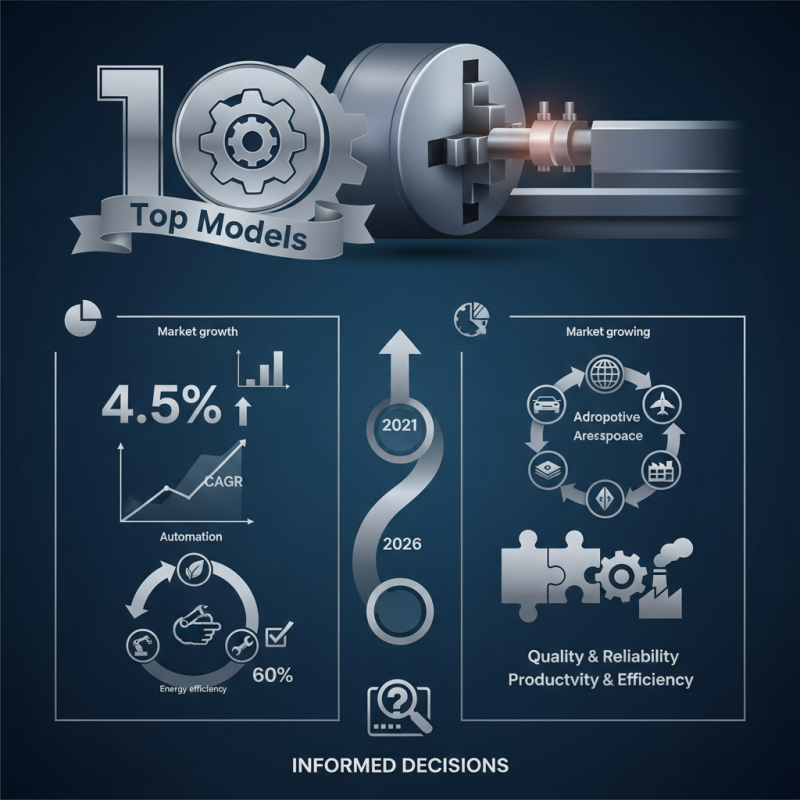
In the dynamic landscape of manufacturing, the lathe machine remains a vital tool for precision and versatility. According to recent market analysis by Mordor Intelligence, the global lathe machine market is projected to grow at a CAGR of 4.5% from 2021 to 2026. This reflects a strong demand for advanced machining capabilities in various industries, including automotive, aerospace, and metalworking.
As buyers seek the best lathe machines, features such as automation, energy efficiency, and ease of use become crucial. A study from ResearchAndMarkets highlights that nearly 60% of manufacturers prioritize these aspects when selecting equipment. However, with so many options available, determining the right model can be challenging. The complexity of specifications, coupled with differing regional needs, underscores the importance of informed decisions in this field.
Understanding these trends is essential for global buyers. Quality and reliability are paramount in investing in lathe machines. In an increasingly competitive market, choosing the right model can significantly impact productivity and efficiency. Therefore, our analysis of the top lathe machine models for 2026 aims to guide buyers towards making well-informed choices that align with their operational goals.
Lathe machines play a crucial role in modern manufacturing processes. According to a report by Research and Markets, the global lathe machine market is expected to reach $7.3 billion by 2026, indicating robust demand. These machines are essential for shaping and cutting materials like metal and wood. They provide precision and efficiency that enhance product quality.
The versatility of lathe machines is noteworthy. They can be used for various applications, from creating intricate parts to mass production. However, operators must possess specific skills to maximize their potential. Improper use can lead to defects and material waste, reflecting the need for ongoing training and development in the industry. Experts suggest that manufacturers invest in workforce education to improve output quality and efficiency.
Furthermore, the evolution of technology is driving lathe machine innovation. Technologies such as CNC (computer numerical control) are improving precision and reliability. While these advancements are promising, they raise concerns about accessibility and affordability for smaller manufacturers. Balancing innovation with practical implementation remains a challenge in the sector, requiring thoughtful consideration as the market grows.
| Model | CNC Capability | Max Spindle Speed (RPM) | Swing Over Bed (mm) | Cutting Length (mm) | Weight (kg) |
|---|---|---|---|---|---|
| Model A | Yes | 3000 | 400 | 1000 | 800 |
| Model B | No | 2500 | 350 | 850 | 700 |
| Model C | Yes | 4000 | 450 | 1200 | 950 |
| Model D | Yes | 3500 | 500 | 1100 | 900 |
| Model E | No | 2200 | 320 | 750 | 650 |
| Model F | Yes | 3800 | 480 | 950 | 850 |
| Model G | No | 2750 | 375 | 800 | 720 |
| Model H | Yes | 3600 | 460 | 1150 | 880 |
| Model I | No | 2100 | 300 | 700 | 600 |
| Model J | Yes | 3200 | 430 | 1050 | 920 |

When selecting lathe machines for global buyers, several criteria are essential. First, users should consider the machine's precision and accuracy. A high-quality lathe should achieve tight tolerances. This is crucial for industries such as aerospace and automotive.
Another important factor is the machine's versatility. A lathe capable of handling various materials can save time and costs for manufacturers. Buyers should look for models that accommodate both hard and soft metals. Additionally, ease of operation and maintenance cannot be overlooked. Machines that are user-friendly tend to enhance productivity.
Buyers must also evaluate the support and warranty offered. Reliable service and parts availability ensure minimal downtime. It's wise to reflect on long-term implications and not just initial costs. Investing in a machine that lasts is more profitable over time. Therefore, careful consideration of these criteria will guide buyers toward making informed decisions.
When evaluating the top lathe machine models in 2026, key features stand out. Precision is paramount. Advanced models feature high-revolution spindles that enhance accuracy. These ensure tight tolerances in production. Furthermore, automated controls offer improved user experience. Operators can adjust settings quickly, minimizing downtime.
Tips: Consider the machine’s interface. An intuitive design allows better workflow. This reduces errors in operation, especially for beginners.
Durability is critical as well. Machines with robust construction withstand prolonged use. However, it is essential to evaluate maintenance requirements. Some machines may require frequent servicing, impacting productivity.
Tips: Always review service records. A reliable machine can save money in the long run. Investing in a quality model pays off.
In addition, adaptability is vital. Versatile models accommodate a range of materials and projects. Manufacturers that prioritize customization options cater to diverse user needs. But, not all machines will perform equally across different tasks. Careful comparisons are necessary.
When exploring the top lathe machine models for 2026, consider various features and capabilities that suit your needs. Precision, durability, and ease of use are pivotal. Many users emphasize the importance of ensuring the lathe can handle various materials. This adaptability increases versatility, appealing to diverse manufacturing sectors.
Tips: Always evaluate the machine's specifications. Look for user reviews and feedback to gauge reliability. Hands-on experience can shed light on potential issues.
Manufacturers will likely enhance automation in their lathe designs. This shift can spark discussions about user training and operational adjustments. Pushing boundaries in innovation doesn't mean neglecting quality. Balancing cutting-edge features with tried-and-true methods is critical.
Tips: Investigate the support offered for new models. An efficient customer service strategy can alleviate concerns during the transition. It's wise to remain open-minded about how these advances shape production processes.
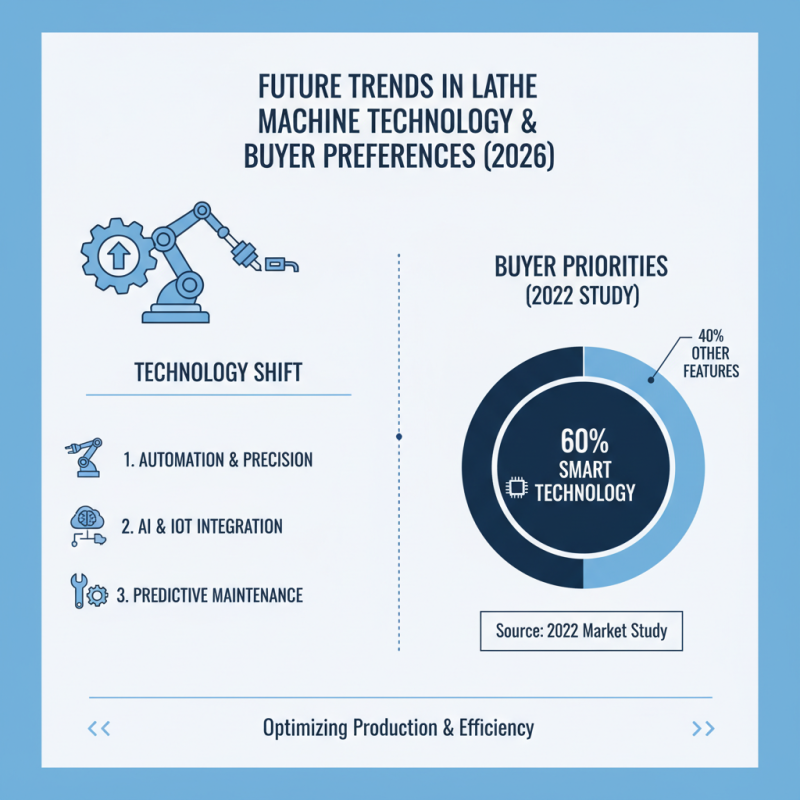
The lathe machine industry is on the verge of significant transformation by 2026. Recent reports indicate a rising demand for advanced features like automation and precision. According to a 2022 market study, about 60% of global buyers are prioritizing smart technology in their lathe machines. This trend indicates a shift towards integrating AI and IoT. Buyers want machines that can predict maintenance needs and optimize production flow.
Another notable shift is the emphasis on sustainable manufacturing practices. Industry experts reveal that 40% of buyers are inclined towards energy-efficient machines. This change results from growing environmental concerns. Many companies are seeking lathes that minimize waste and reduce energy consumption. However, the challenge lies in balancing cost with these advanced features. Buyers often face uncertainties regarding return on investment for such technologies.
The competition among manufacturers also influences buyer choices. Some suppliers may overstate capabilities, creating confusion in the market. Buyers need reliable information to make informed decisions. They require thorough evaluation rather than impulse buys. Understanding future trends and aligning them with operational needs is crucial. This thoughtful approach to purchasing will help buyers adapt to the evolving landscape of lathe machine technology.