Skip to content

China Best Automobile Bushing Suppliers for Global Buyers

For global buyers, selecting a China-based Automobile Bushing supplier means looking beyond a low unit price. Bushings help manage vibration, noise, and movement between connected vehicle parts. Their performance depends on material choice, dimensional accuracy, bonding quality, and consistent production. Small details matter. A sleeve that looks clean may still have poor concentricity, while an elastomer compound may behave differently in heat or cold.

A composite industry specialist named Adrian Vale puts the sourcing challenge this way: “A bushing is small, but its tolerances shape comfort, noise, and service life.” Buyers should ask suppliers for material specifications, tolerance records, sample test results, and clear production-control procedures. They should also confirm whether a supplier can support the required design, annual volume, packaging, and delivery schedule. Ask how changes to tooling or raw materials are documented. Then compare answers, not just quotations.

A factory visit can reveal practical details: how parts are stored, whether inspection equipment is calibrated, and how rejected components are handled. Remote buyers may instead request a live production walkthrough and traceable sample reports. Fit still matters. A sample that passes one test does not guarantee stable results across every batch, and even experienced buyers can overlook this. This guide examines China’s leading Automobile Bushing suppliers through capabilities, product range, quality practices, and export readiness. Its aim is practical: help buyers ask sharper questions, verify claims, and choose a partner suited to their application.
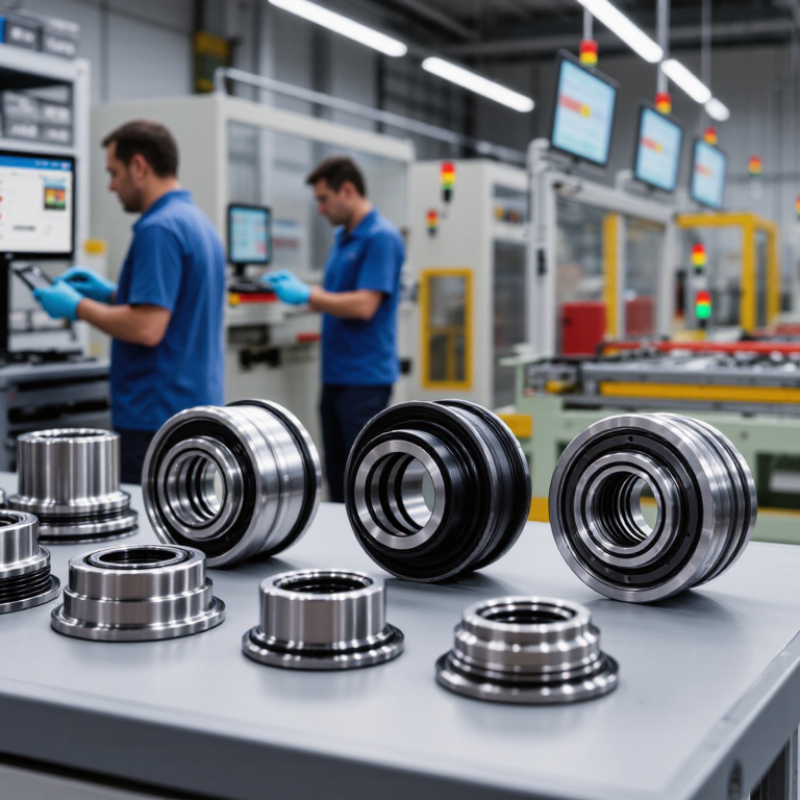
China Best Automobile Bushing Suppliers for Global Buyers

What Automobile Bushings Are and How They Support Vehicle Performance

Automobile bushings are flexible joints fitted between moving vehicle parts. Many use bonded rubber and metal sleeves, though some designs use other elastomers. They allow controlled movement while reducing vibration and harsh impacts. In suspension arms, for example, a bushing helps manage wheel movement as a tire crosses a pothole. The cabin may feel quieter. Steering response can also feel more settled.

Bushings support vehicle performance by balancing flexibility with control. If a joint is too soft, alignment may shift under load. If it is too stiff, more road vibration can reach the body. Engineers consider factors such as load, temperature, motion range, and exposure to water or road grime. Details matter. A small change in rubber hardness can affect both comfort and handling, though the result depends on the vehicle design.

Wear is gradual, and symptoms can be easy to miss. Cracked rubber, uneven tire wear, a dull knock over bumps, or vague steering may justify an inspection. Heat and age can harden rubber; oil contamination may also damage some materials. Still, noise alone does not identify a failed bushing. A technician should check the joint under suitable conditions and compare movement with the vehicle’s specifications. A quiet ride is not proof that every bushing is healthy.

Common Bushing Types, Materials, and Automotive Applications

Automotive bushings are small parts with a demanding job: they isolate vibration while allowing controlled movement between connected components. Common types include cylindrical sleeves, flanged bushings, bonded rubber-metal units, and hydraulic bushings. Each design suits different loads and movement patterns. Small parts matter.

Rubber bushings are widely used in control arms, stabilizer links, and engine mounts because they reduce road noise and absorb shocks. Polyurethane versions can feel firmer, though they may transmit more vibration into the cabin. Bonded rubber-metal designs combine an elastomer with a metal sleeve for stable mounting. Hydraulic bushings contain fluid-filled chambers that help manage certain low-frequency vibrations. Heat changes things. Material choice should account for temperature, oil exposure, load, and expected movement.

Applications vary across the chassis and powertrain. A control-arm bushing must flex as the wheel travels over a pothole, while an engine-mount bushing helps limit movement during acceleration. For global buyers, useful supplier checks include dimensional tolerances, rubber hardness, bonding quality, and batch inspection records. Ask how samples are tested under relevant loads and temperatures. A softer part may improve comfort but wear differently; the trade-off is not always obvious from a specification sheet. That detail deserves a closer look.

How to Evaluate Automobile Bushing Suppliers in China

Evaluating an automobile bushing supplier in China starts with the part, not the price. Share a drawing, load range, operating temperature, and expected service conditions. Ask how the supplier checks rubber hardness, dimensions, bonding strength, and metal surface treatment. Request recent inspection records and sample parts from the same production process. A clean sample matters. So does consistency across batches. Compare measured dimensions with your drawing, and inspect for uneven edges, visible cracks, or poor bonding. If testing is outsourced, ask which tests are performed and how results are recorded.

A factory visit or live video walkthrough can reveal practical details: storage conditions, mixing records, curing controls, and final inspection stations. Confirm whether materials and production lots can be traced through documented records. Ask about tooling ownership, sample lead times, and how design changes are approved. Clear answers are useful; vague promises deserve follow-up. A polished report is not proof by itself. Check whether its dates, part numbers, and test methods match your project. No checklist catches everything. Even a careful review may miss a process issue, so begin with a controlled trial order and agree on measurable acceptance criteria before larger shipments.

Manufacturing Capabilities, Quality Standards, and Product Testing

China’s bushing suppliers serve a large, demanding vehicle market. OICA reported approximately 93.5 million vehicles produced worldwide in 2023. That scale makes repeatable production and traceable material batches essential. Buyers should review process controls for rubber mixing, metal-sleeve preparation, bonding, and vulcanization. Ask for capability data, inspection plans, and records linking each batch to its test results. IATF 16949 can indicate a structured automotive quality system, but certification alone does not prove that a particular bushing will perform well.

Testing should match the part’s real operating conditions. ASTM D2240 measures rubber hardness, while ASTM D412 covers tensile properties; ASTM D573 addresses heat aging. These checks help identify material variation. They are not enough alone. For bonded bushings, request dynamic stiffness and durability results under representative loads, temperatures, and displacement cycles. A supplier should explain the sample size, test method, and acceptance limits, not just provide a pass mark. Physical details matter: a small bond-line void or an inconsistent sleeve coating may escape a basic visual inspection. Independent validation is useful for critical applications, though test fixtures and conditions can differ from vehicle use. No laboratory test fully recreates years of road vibration. That gap deserves honest discussion.

China Best Automobile Bushing Suppliers for Global Buyers

Selected editions of quality-management and rubber-testing standards relevant to automotive bushing manufacturing

The chart shows the edition years of selected standards covering quality management, automotive quality systems, rubber tensile properties, hardness, compression set, and accelerated ageing. Edition year does not indicate supplier certification or product performance; buyers should verify applicable requirements and current editions.

Sourcing, Customization, and Shipping for Global Buyers

China Best Automobile Bushing Suppliers for Global Buyers

For global buyers, reliable sourcing starts with a clear application brief. Share the vehicle type, installation position, expected load, temperature range, and operating environment. These details help suppliers assess suitable rubber compounds, metal sleeves, and dimensions. Request drawings and samples before approving a production order. A sample that fits on a bench may behave differently after installation.

Customization should be based on measurable requirements, not vague requests for a “stronger” bushing. Discuss hardness, bonding, tolerances, and any corrosion protection needed for metal components. Ask how production batches are inspected and what records can be supplied with an order. Small details matter. Confirm drawing revisions in writing; an outdated file can create an expensive mismatch. It happens.

Shipping plans need attention early, especially for mixed or time-sensitive orders. Confirm packaging, carton dimensions, shipment terms, lead times, and the documents your import team expects. Ask for progress updates at agreed milestones, such as sample approval and packing completion. For sea freight, protect parts from moisture and crushing; for urgent shipments, compare the added cost with the actual production impact. Build in time for inspection and customs processing, since estimates can shift. A careful checklist helps, though it will not prevent every delay.

China Best Automobile Bushing Suppliers for Global Buyers - Sourcing, Customization, and Shipping for Global Buyers

Practical sourcing benchmarks for evaluating automotive bushing suppliers. Figures are indicative planning ranges, not guaranteed supplier terms.

Sourcing Dimension Typical Data or Options Buyer Checks
Common bushing types Control-arm, stabilizer-bar, trailing-arm, subframe, and suspension mounting bushings Confirm vehicle application, OE reference where available, dimensions, and installation position.
Elastomer options Natural rubber, synthetic rubber compounds, and polyurethane for selected applications Specify temperature range, oil or ozone exposure, hardness, and required durability.
Hardness specification Often defined by the design using Shore A; the appropriate value depends on load, geometry, and ride or handling targets. Agree on the test method, tolerance, and measurement conditions rather than selecting by hardness alone.
Metal components Steel sleeves, inner tubes, or bonded metal inserts may be used; surface treatment varies by design. Review material grade, corrosion protection, bonding requirements, and drawing tolerances.
Customization inputs 2D or 3D drawings, samples, dimensions, compound requirements, load conditions, and target performance Confirm drawing revision control, ownership of tooling, and approval steps before production.
Sampling and validation Prototype timing commonly depends on tooling readiness and design complexity; samples may require dimensional and functional testing. Request a written sample plan, inspection report, and agreed acceptance criteria.
Production quantity Minimum order quantities vary with compound, tooling, and production setup; repeat orders may have different thresholds. Ask for price breaks, minimum order quantity, and any setup or tooling charges in the quotation.
Quality documentation Relevant records can include material certificates, dimensional inspection results, batch traceability, and process-control documentation. Verify document scope and validity; request evidence for the specific product and production site.
Lead-time planning Sampling, tooling, and mass-production lead times depend on design approval, material availability, and order quantity. Obtain separate estimates for samples, first production, and repeat orders, including approval milestones.
Packaging and identification Options may include individual bags, labeled cartons, bulk packing, and export cartons suited to the product. Specify quantity per carton, part identification, protection against deformation, and destination labeling rules.
Shipping method Sea freight is commonly used for larger shipments; air freight or express services can suit urgent or smaller consignments. Compare total landed cost, transit estimates, cargo dimensions, insurance, and customs responsibilities.
Commercial terms Quotations may state currency, payment terms, Incoterms® rule, quotation validity, and shipment point. Ensure the named place and responsibilities are explicit, and review payment and inspection terms before ordering.
Back To Top