Top 10 CNC Turning Machines Buyers Must Consider
In the world of precision manufacturing, choosing the right CNC turning machine is crucial. A recent report by MarketsandMarkets indicates that the CNC machine tools market is projected to reach USD 100 billion by 2025, highlighting the growing demand for efficient manufacturing solutions. Experts stress that the right machine can significantly affect productivity and output quality. As noted by Dr. James Li, a prominent industry analyst, "Investing in the right CNC turning machine is investing in the future of manufacturing."
When selecting a CNC turning machine, buyers often overlook key factors. Not all machines are equal, and features vary widely. Some models may promise high speed but lack precision. Others might excel in versatility while compromising on power. Each buyer's needs are unique. Rather than solely focusing on brand names, it’s essential to evaluate specific capabilities, adaptability, and technical support.
Reflecting on industry trends, the focus must shift from mere acquisition to strategic investment. Machines that integrate advanced technology often yield better long-term returns. Therefore, understanding each feature becomes vital. This journey of selection can be intricate but rewarding. Ultimately, a thoughtful choice can lead to enhanced productivity and efficiency in manufacturing processes.
Understanding CNC Turning Machines: Definition and Functionality
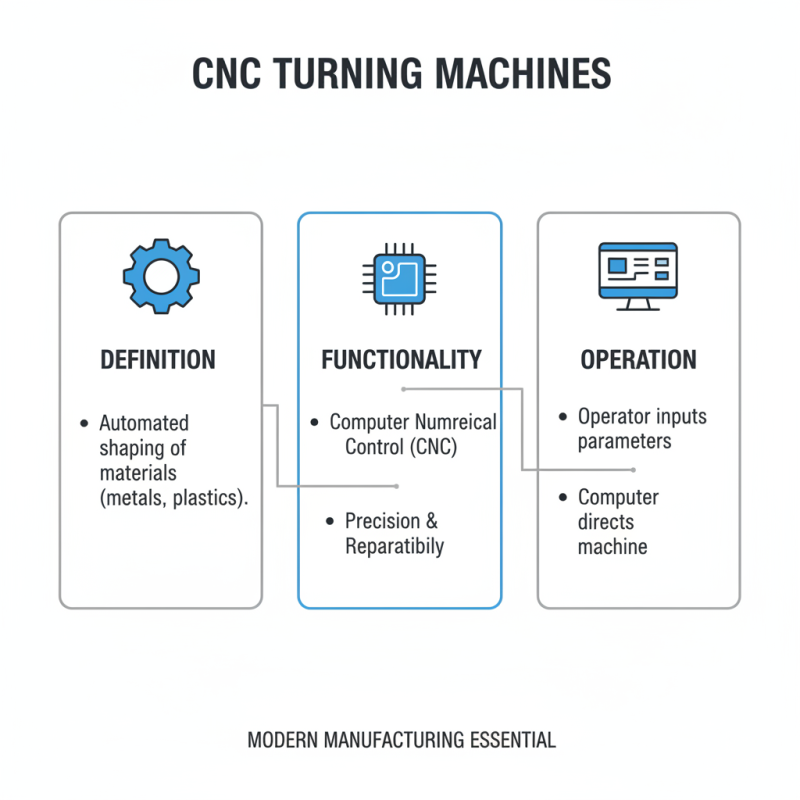
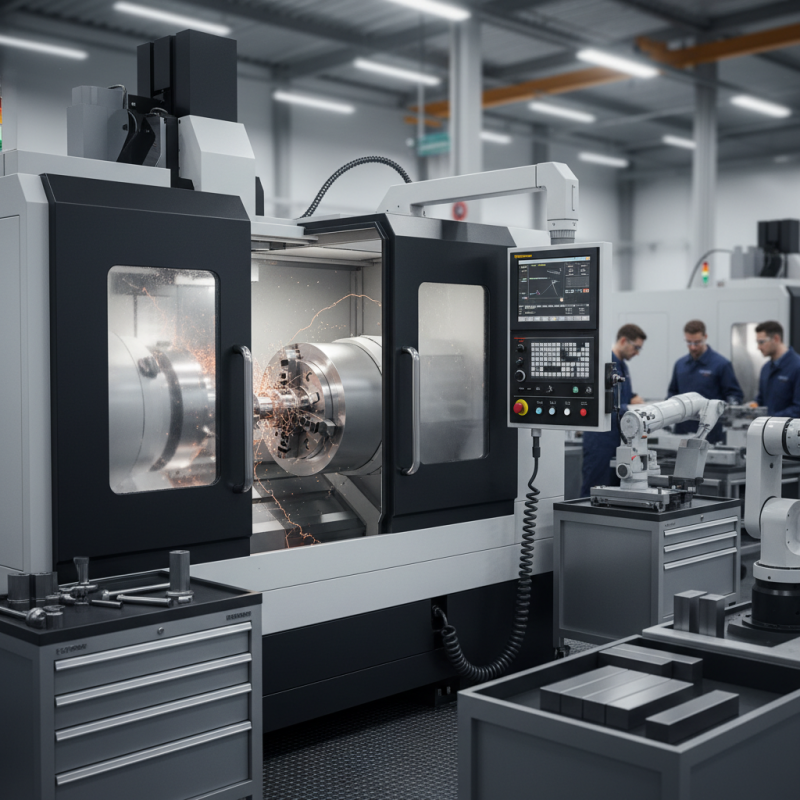
CNC turning machines are crucial in modern manufacturing. They automate the process of shaping materials, primarily metals and plastics. A CNC turning machine utilizes computer numerical control for precision. This ensures items are produced with high accuracy and repeatability. Operators input specific parameters into a computer, which directs the machine to shape the material accordingly.
The primary functionality of these machines lies in their ability to rotate the workpiece against a cutting tool. This allows for versatile operations like drilling, threading, and knurling. Additionally, the software enables complex designs that manual machining cannot achieve. However, these machines require skilled operators. Understanding G-code and machine functions is essential. This knowledge can sometimes be a learning curve for newcomers in the field.
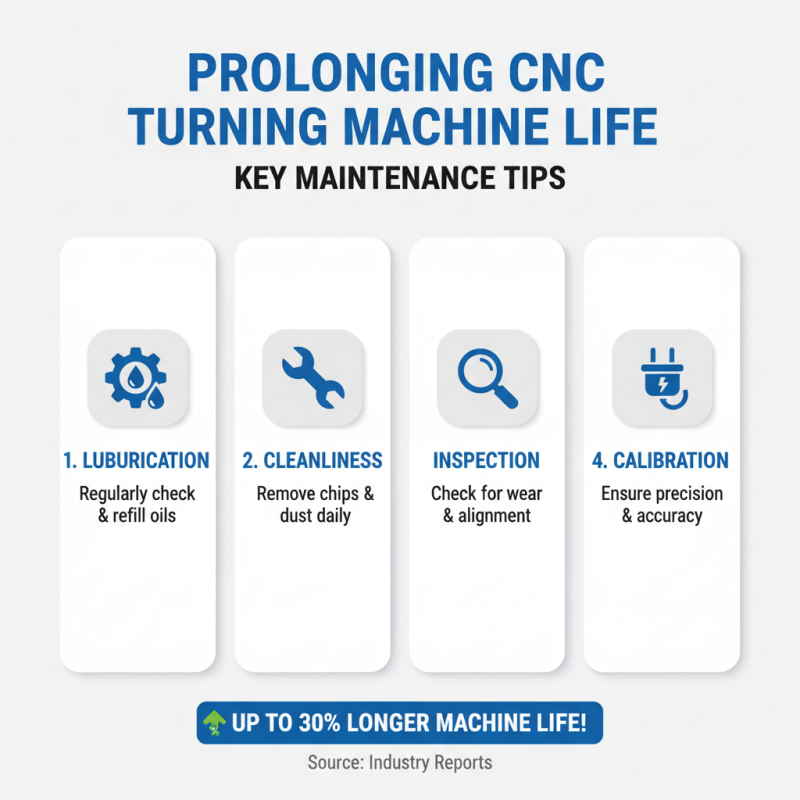
While CNC turning machines offer significant benefits, they are not without challenges. Maintenance can be demanding. Operators must regularly check for wear and tear. Downtime for repairs can impact production schedules. Some users struggle with the transition from conventional methods to CNC. This shift requires adaptation and patience. Emphasizing training and continued learning can promote efficiency in the long run.
Key Features to Consider When Choosing a CNC Turning Machine
When selecting a CNC turning machine, it’s vital to focus on key features. One critical feature is precision. A high level of accuracy ensures parts fit correctly. This can prevent costly errors in production. Pay attention to the machine's tolerance levels. Machines with tight tolerances will yield better results.
Another important aspect is the spindle speed. Higher speeds can significantly improve production efficiency. This allows for faster machining of materials, reducing cycle times. Look for options that offer adjustable speeds to accommodate different tasks. Additionally, consider the machine's tooling options. The right tools can enhance versatility and help you tackle a range of projects effectively.
Flexibility is also essential. A machine that adapts to various materials can be a valuable asset. However, not all machines can handle diverse materials well. It’s crucial to assess your specific needs before making a choice. Some users may overlook the importance of after-sales support. Reliable customer service can be just as important as the machine’s features. Always weigh the potential for support when investing.
Top Brands and Manufacturers in the CNC Turning Machine Market
When exploring the CNC turning machine market, it's essential to consider the leading brands and manufacturers. These companies are known for their innovation and commitment to quality. Experts often highlight features like precision, speed, and ease of use as key differentiators. High-performance machinery can greatly enhance productivity in any workshop. It's vital to evaluate each brand's reputation within the industry. This ensures that your investment will yield the desired results.
The technology behind CNC turning machines is evolving rapidly. Some brands struggle to keep pace with advancements in automation and software integration. It's crucial to choose manufacturers that consistently invest in research and development. This way, you can avoid outdated technology that may hinder your operations. Consider seeking feedback from current users about their experiences. Achieving the right balance between cost and features can be challenging but worthwhile.
Many companies offer excellent warranties and customer support. However, not all fulfill their promises. This uncertainty can lead to frustration when issues arise after purchase. Take the time to read reviews and consult industry experts. This process may feel tedious, but it is vital in ensuring you make an informed decision. You'll find that a well-chosen CNC turning machine can significantly transform your production processes.
Top 10 CNC Turning Machines Buyers Must Consider
Factors Influencing the Price of CNC Turning Machines
The price of CNC turning machines is influenced by multiple factors. Understanding these can help buyers make informed decisions. One key aspect is the machine's specifications. For example, the complexity of the components it can produce directly impacts the cost. High precision machines often come with a higher price tag, sometimes exceeding $100,000. According to a recent industry report, the average price range for mid-tier CNC lathes is between $25,000 and $75,000.
Another notable factor is the material used in manufacturing the machine. Machines built with durable materials often reflect their superior construction in their pricing. A breakdown in machine quality can arise from using subpar materials, leading to operational inefficiencies. Additionally, advanced technology features such as automated tool changers and integrated software significantly add to the cost. A study indicates that machines equipped with advanced automation capabilities can increase the initial investment by up to 30%.
Lastly, market demand plays a crucial role in pricing. Economic conditions can lead to fluctuations. During periods of high demand, prices may rise, reflecting the scarcity of available machines. Buyers need to be aware of these trends. Investing in a machine without considering its long-term operational costs may not yield the best outcome. Hence, careful analysis is essential in navigating the marketplace effectively.
Top 10 CNC Turning Machines Buyers Must Consider - Factors Influencing the Price of CNC Turning Machines
| Machine Model |
Price Range (USD) |
Max Turning Length (mm) |
Max Turning Diameter (mm) |
Spindle Speed (RPM) |
Control Type |
| Model A |
$20,000 - $30,000 |
1000 |
300 |
3000 |
CNC |
| Model B |
$25,000 - $35,000 |
1200 |
350 |
4000 |
CNC |
| Model C |
$30,000 - $40,000 |
1500 |
400 |
4500 |
CNC |
| Model D |
$35,000 - $50,000 |
1800 |
450 |
5000 |
CNC |
| Model E |
$40,000 - $60,000 |
2000 |
500 |
6000 |
CNC |