Top CNC Turning Machines for Global Buyers Guide?
In the competitive landscape of manufacturing, the demand for precision is critical. CNC turning machines have emerged as a vital tool for achieving accuracy in machining processes. According to a recent report by MarketsandMarkets, the global CNC machining market is projected to reach USD 100 billion by 2026, reflecting a compound annual growth rate (CAGR) of 6.4%. This growth highlights the increasing reliance on CNC turning technology across various industries.
Manufacturers are now considering factors like versatility, efficiency, and return on investment when selecting CNC turning machines. Features such as automated tool changing and advanced software integration push the boundaries of what these machines can accomplish. However, it's essential to acknowledge that not all machines meet the demands of every application. Buyers often face the challenge of aligning machine specifications with production needs.
Looking ahead, the landscape for CNC turning machines continues to evolve. Technological advancements bring both opportunities and challenges. Buyers must stay informed about market trends and emerging technologies to make educated decisions. Doing so ensures they invest in CNC turning machines that not only meet current requirements but also have the potential for future scalability.
Understanding CNC Turning Machines: A Comprehensive Overview
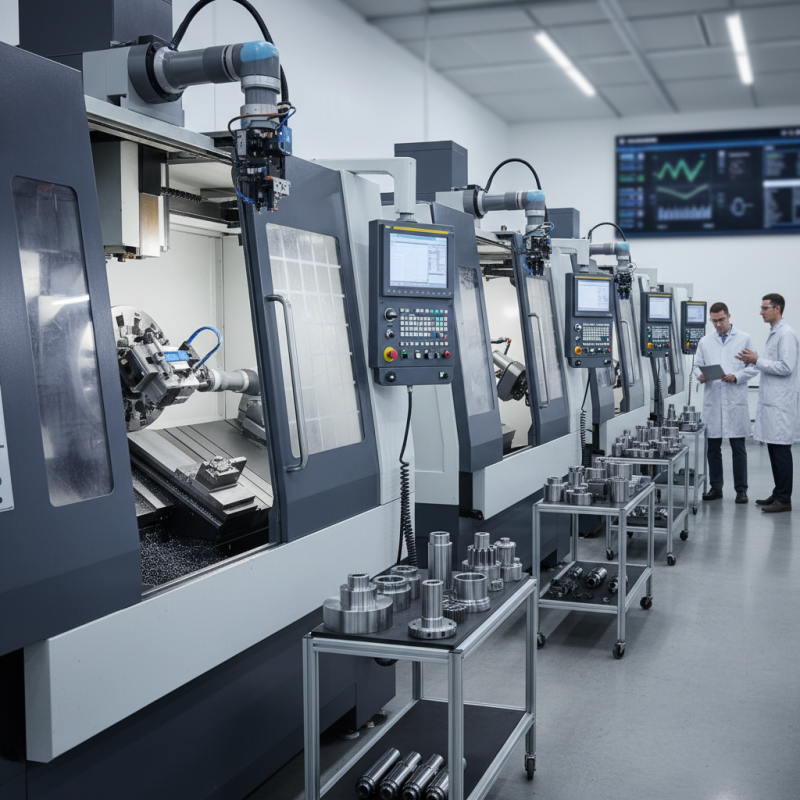
CNC turning machines play a vital role in modern manufacturing. These machines create complex shapes with high precision. They are commonly used for parts requiring tight tolerances. Understanding their various components is essential for effectively utilizing them.
The key components include the spindle, cutting tools, and control systems. The spindle holds the workpiece securely, rotating it at high speeds. Cutting tools are mounted on the turret. They shape the material into the desired form. The control system automates operations, enhancing efficiency.
Despite their advantages, challenges exist. Operators must regularly calibrate machines to maintain accuracy. Errors in programming can lead to defective parts. Continuous training is necessary for skilled operation. Embracing these aspects can lead to improved outcomes in machining processes.
Key Features to Consider When Selecting CNC Turning Machines
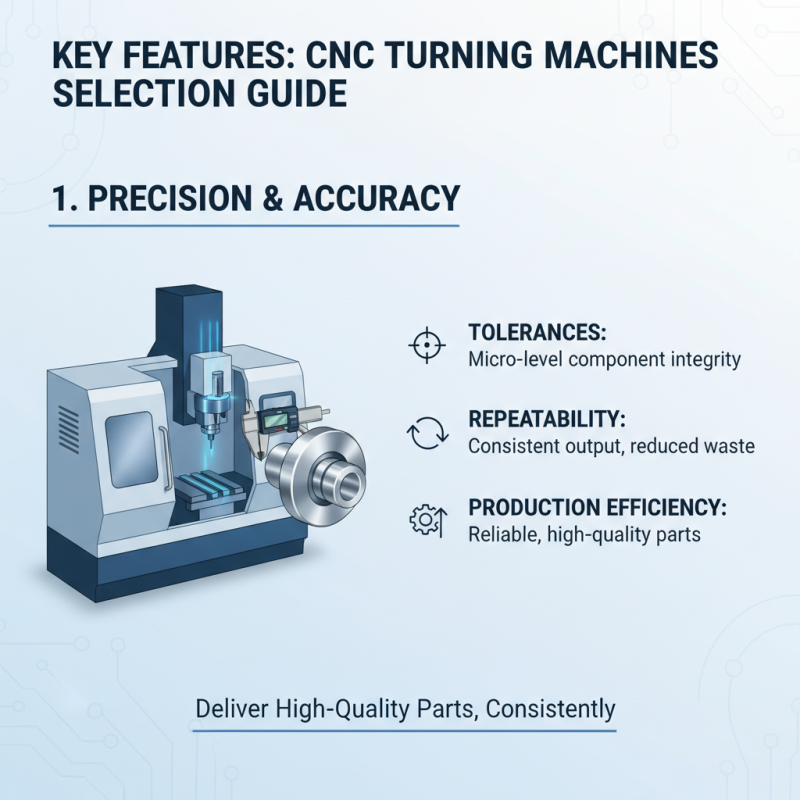
When selecting CNC turning machines, several key features should guide your decision-making process. First, consider the machine's precision. Accuracy is critical for delivering high-quality parts. Look for specifications that highlight tolerances and repeatability. A machine that can maintain consistent results will enhance your production efficiency.
Another aspect to evaluate is the machine's spindle speed. Higher speeds can significantly reduce cycle time. However, too high a speed may compromise tool life. It’s essential to find a balance that suits your specific production needs. Evaluate the materials you plan to machine, as this can influence the ideal spindle speed.
Tips: Prioritize machines with good customer service support. Technical assistance can save time and money during setup. Many buyers overlook this but regret it later. Additionally, don’t shy away from reconditioning older machines. They can offer excellent performance at a fraction of the cost. Always assess your long-term needs. Investing in a machine that meets future demands can prevent costly upgrades down the line.
Top Brands of CNC Turning Machines Available Globally
CNC turning machines are essential in today’s manufacturing landscape. They enable precise machining of complex parts with high efficiency. Global buyers seek brands that offer reliability and innovative features. Many manufacturers have established themselves as leaders in this field.
When considering the top brands globally, machine build quality is crucial. Robust designs ensure longevity and minimize downtime. Advanced control systems enhance precision and ease of operation. Users often report a learning curve with new equipment. Some machines come with intuitive interfaces, while others require training for optimal use.
In the competitive market, customer support is vital. Good brands offer excellent service and readily available spare parts. Users should also consider the availability of training resources. The journey of selecting a CNC turning machine can be overwhelming. It's important to prioritize features that align with specific production needs.
Top CNC Turning Machines for Global Buyers Guide
| Machine Type |
Max Turning Diameter (mm) |
Max Spindle Speed (RPM) |
Motor Power (kW) |
Control System |
| CNC Lathe |
600 |
3000 |
15 |
Fanuc |
| CNC Swiss Machine |
32 |
6000 |
10 |
Siemens |
| Vertical Turning Lathe |
800 |
1200 |
20 |
Mazak |
| Horizontal CNC Lathe |
500 |
4000 |
12 |
Haas |
| CNC Turn-Mill Center |
400 |
5000 |
18 |
Okuma |
Comparative Analysis of CNC Turning Machines for Buyers
The market for CNC turning machines continues to evolve, reflecting advancements in technology and increased buyer demands. Recent reports estimate the global CNC lathe market size at over $3 billion, with a projected growth rate of about 4.5% annually. This growth signifies a rising interest in precision manufacturing solutions across industries.
When comparing CNC turning machines, it is crucial to examine their specifications in detail. Buyers should look for factors such as spindle speed, horsepower, and tooling capabilities. A higher spindle speed often indicates better performance on diverse materials. However, not every machine excels at multitasking. Certain models may offer great accuracy but lack versatility. This trade-off can come with long-term implications on operational efficiency.
Additionally, automation is becoming more prevalent. The integration of advanced software for programming can reduce setup times significantly. However, this complexity may introduce a learning curve for operators, which can hinder productivity. Buyers must evaluate whether their team's existing skills align with these technological advancements. Balancing innovation with usability remains a challenge in selecting the right CNC turning machine.
Top CNC Turning Machines Comparison
Maintenance Tips to Enhance CNC Turning Machine Longevity
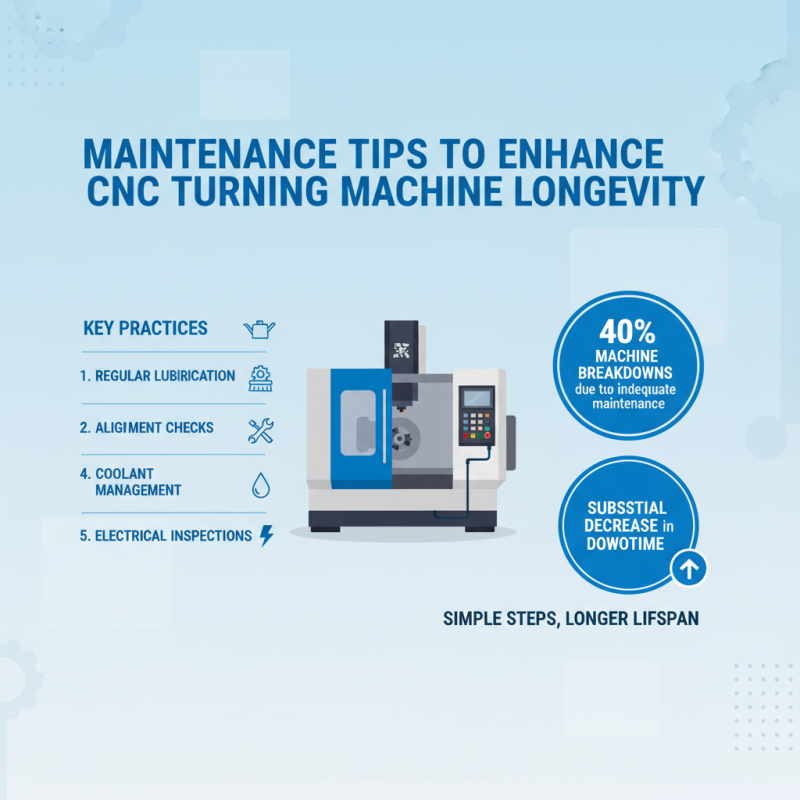
CNC turning machines play a critical role in precision manufacturing. Regular maintenance can extend the lifespan of these machines. According to recent industry reports, nearly 40% of machine breakdowns stem from inadequate maintenance practices. Focusing on simple maintenance tasks can lead to substantial decreases in downtime.
Daily checks are vital. Operators should routinely inspect the lubrication levels. Low lubrication can cause increased friction and wear. It’s wise also to clean the machine regularly. Dust and metal shavings can accumulate, which may affect performance. This simple action can significantly enhance the machine's efficiency. Furthermore, ensure that the coolant systems function properly. Overheated components can lead to costly repairs.
Longer-term strategies are essential. Scheduled preventive maintenance can identify underlying issues early. Regularly updating software can also prevent operational failures. The industry suggests having a training program for operators. A well-trained team understands the machine’s needs better. Ultimately, investing time in maintenance is crucial. The machine's reliability directly impacts productivity. A proactive approach ensures operations run smoothly, enhancing overall profitability.