In 2026, choosing among Coex Films means balancing product protection, processing speed, cost, and recyclability. The leading structures include PE/PP sealant films, PA/PE and PE/EVOH barrier films, and PET/PE laminating structures. Each serves a different job. A clear pouch may need strong seals; a vacuum pack may need puncture resistance; a snack pack may need a reliable barrier against oxygen and moisture. The best choice depends on the product and the packaging line, not simply the number of layers.
The scale of the packaging challenge is measurable. The OECD’s Global Plastics Outlook (2022) reports that packaging accounted for 40% of plastic waste generated worldwide in 2019. That figure does not single out coextruded films, but it underlines why material efficiency and end-of-life design matter. The Ellen MacArthur Foundation’s circular-economy framework calls for “designing out waste and pollution” and keeping materials in use. MacArthur is a prominent circular-economy leader, though this is a framework statement, not a Coex Films-specific quotation.
Layer count alone tells only part of the story. A useful comparison asks what each layer contributes, whether the structure runs consistently, and whether local recovery systems can handle it. Small details matter. Seal strength matters. So does the thickness of each layer. This guide compares the top Coex Films types for 2026, explains their practical strengths, and flags trade-offs buyers should verify with suppliers and converters. Some structures may look recyclable on paper yet remain difficult to recover in practice. That gap deserves scrutiny.
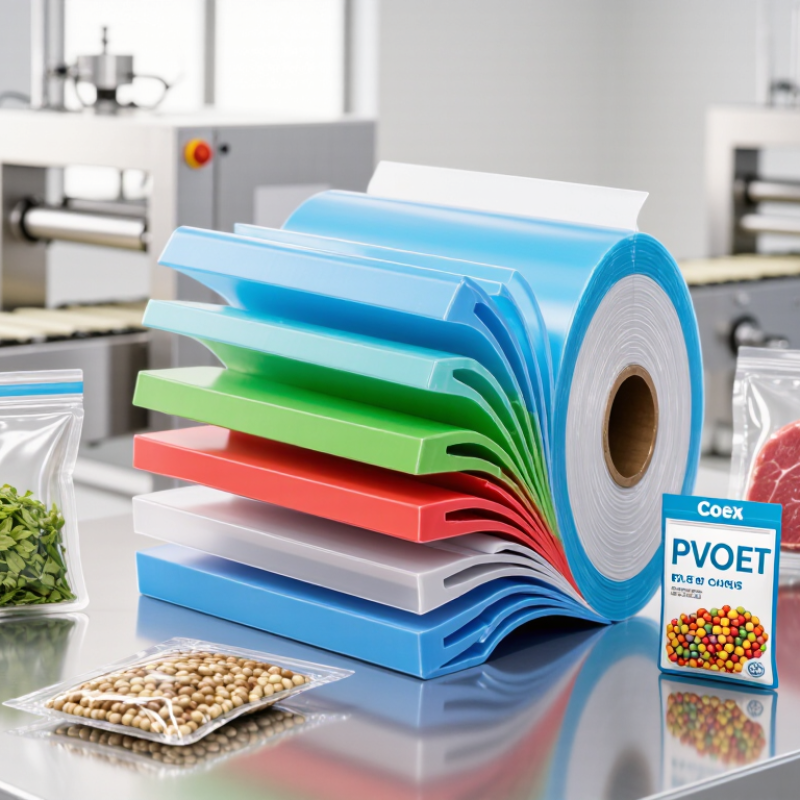
Coextruded films are built by feeding several molten polymers through one die, forming bonded layers in a single pass. Each layer has a specific job. A polyethylene inner layer can seal around a product, while an outer layer adds stiffness or supports printing. Between them, nylon may improve puncture resistance, and EVOH can slow oxygen transmission. Some structures need thin tie layers to help materials that do not bond well naturally. The details matter.
Common coex types include barrier films, sealant-focused films, and tougher structures designed to resist punctures. Some use mostly one polymer family to simplify recycling, though performance depends on the full structure and local collection systems. A layer stack is not a recipe that works for every package. Moisture, temperature, filling speed, and shelf-life targets all affect material choices. Even a small change in layer thickness can alter sealing or barrier performance.
Lab tests should check seal strength, leakage, and gas transmission under realistic conditions. A tidy cross-section can look convincing. Real production may disagree. Teams should also review whether each layer is necessary, since added complexity can increase cost and complicate recycling.
Coex film is defined less by one “best” polymer than by how layers share jobs. Polyethylene (PE) commonly provides sealability and moisture resistance. Polypropylene (PP) adds stiffness and heat tolerance. Polyamide (PA) helps resist punctures, while ethylene-vinyl alcohol (EVOH) slows oxygen transmission. Thin tie layers bond materials that otherwise separate. Small layers matter.
PlasticsEurope’s Plastics – the Fast Facts 2023 reports 400.3 million tonnes of global plastics production in 2022. LDPE/LLDPE and HDPE/MDPE together represented 26.3% of production. That figure does not measure coex-film use, but it indicates PE’s broad supply base. For oxygen-sensitive products, designers may place EVOH between PE skins, helping protect the barrier layer while keeping the surface sealable.
The OECD’s Global Plastics Outlook (2022) estimates that global plastics use rose from 234 million tonnes in 2000 to 460 million tonnes in 2019. In practice, layer structure depends on the product, filling temperature, and shelf-life target. PA can improve toughness, yet inseparable layers may complicate recycling. That is the awkward trade-off: stronger barriers can help protect products, but more layers do not automatically make a film easier to recover.
These examples show common coextruded film structures and their layer counts. PE and PP provide the sealable or structural layers; EVOH is commonly used as an oxygen-barrier layer, PA for toughness and puncture resistance, and tie layers to bond materials that do not adhere well to one another. Actual structures vary by application.
Polyethylene-based coextruded films combine layers with different jobs. In a common three-layer structure, a polyethylene blend provides stiffness, processability, and a heat-sealing surface. Adjusting layer thickness can improve puncture resistance without making the whole film unnecessarily heavy. Small details matter. Sealant composition and cooling conditions can affect how reliably a pouch closes on a fast production line.
The Flexible Packaging Association’s 2023 State of the U.S. Flexible Packaging Industry Report valued U.S. industry sales at $42.9 billion in 2022, with food representing about half of demand. That scale helps explain why PE coex films are widely used for frozen foods, snacks, and refill packs.
For practical design, test seal strength, drop performance, and machinability using the actual product and filling conditions. A film that runs well on paper may behave differently with sharp-edged contents.
The OECD’s Global Plastics Outlook (2022) identifies packaging as 40% of plastic waste, underscoring the need to consider end-of-life alongside performance. “PE-based” does not automatically mean easy to recycle: added barrier layers, inks, and closures can complicate sorting and processing. Where high oxygen protection is needed, designers may face trade-offs between shelf life and a simpler material structure.
Barrier coextruded films place functional layers inside a single structure, combining protection with practical handling. PA and EVOH are common choices, but they solve different packaging problems.
PA layers can improve puncture resistance and toughness, useful when packs face sharp edges or repeated handling. They also provide some oxygen resistance, though performance depends on grade, thickness, and the complete film structure. EVOH offers a stronger oxygen barrier in many applications. Its barrier can weaken in humid conditions, so manufacturers usually protect it between moisture-resistant layers. Details matter.
A film with PA may suit products needing durability during transport, while an EVOH-containing structure may better support oxygen-sensitive foods. Neither choice guarantees a longer shelf life by itself. Seal integrity, forming conditions, product moisture, and storage temperatures all affect results. Small leaks can undo an impressive barrier figure. That is easy to overlook.
When comparing samples, ask for test results under conditions close to actual use, not just a headline oxygen-transmission value. Check thickness, layer arrangement, and whether the film remains reliable after bending or forming. A neat layer diagram can mislead; real packaging lines sometimes reveal weak spots that lab samples miss.
What Are the Top Types of Coex Films in 2026?
Comparing coex films starts with the product’s needs, not the layer count. Polyethylene-rich films often offer flexibility, moisture resistance, and reliable sealing. They suit pouches and liners that need a soft feel. Polypropylene layers can add stiffness and clarity for wraps or display packaging. For products sensitive to oxygen, nylon or EVOH layers may improve barrier performance. That matters. Barrier results depend on the full structure, thickness, and processing conditions.
A useful comparison checks seal temperature, puncture resistance, transparency, and compatibility with filling equipment. For example, a frozen food pouch may need toughness at low temperatures, while a clear snack pack may prioritize appearance and easy opening. More layers do not automatically mean better performance. A common mistake is choosing a high-barrier structure without testing whether the product actually needs it. Testing samples under real storage and handling conditions gives more reliable guidance than comparing specifications alone.
Tips: Ask suppliers for layer composition and test data. Match tests to the product’s shelf life and use. Check seals after filling, not just on flat samples. Small details matter. A rushed comparison can miss a weak seal or an awkward opening feature.
| Coex Film Type | Typical Layer Structure | Key Properties | Common Uses | Important Considerations |
|---|---|---|---|---|
| All-PE (Polyethylene) | PE / PE, or a PE skin-and-core construction | Good moisture resistance, flexibility, and heat-sealing performance. Properties can be tailored by using different polyethylene grades in individual layers. | Flexible pouches, liners, bags, and packaging where moisture protection and reliable seals are priorities. | Provides limited oxygen and aroma barrier compared with EVOH-containing structures. Recyclability depends on the exact materials, additives, local collection systems, and recycling requirements. |
| PA/PE (Polyamide/Polyethylene) | PA / tie layer / PE; additional layers may be used in thicker constructions | PA contributes toughness and puncture resistance; PE provides moisture resistance and a heat-sealable surface. | Vacuum bags, fresh-food packaging, and applications where resistance to handling or puncture is important. | PA is not a strong moisture barrier and can absorb moisture, which may affect its barrier performance. A compatible tie layer is commonly needed to bond PA and PE. |
| EVOH/PE High-Barrier | PE / tie layer / EVOH / tie layer / PE | EVOH provides a strong oxygen and aroma barrier under dry conditions; PE layers protect the barrier and provide moisture resistance and sealability. | Food pouches, fresh and processed food packs, and packaging that needs to slow oxygen transmission. | EVOH barrier performance decreases as humidity rises, so it is generally enclosed by moisture-resistant layers. Tie layers are needed to bond dissimilar materials. |
| PA/EVOH/PE Multi-Barrier | PA / tie layer / EVOH / tie layer / PE, with layer count and order adjusted by application | Combines PA toughness with EVOH oxygen-barrier performance and PE moisture resistance and sealability. | Vacuum-packed meat, cheese, and other products requiring a combination of puncture resistance and oxygen protection. | Performance depends on layer thickness, product conditions, and forming or handling requirements. More material types can make recycling more challenging. |
| Coextruded PP (Polypropylene) | PP / PP, often with a core layer and different outer or sealing layers | Can offer stiffness, clarity, moisture resistance, and a sealable surface, depending on the PP grades and structure used. | Packaging films, snack and dry-food packs, and applications where stiffness or presentation is important. | Heat-sealing behavior and flexibility vary by construction. PP generally provides less oxygen barrier than an EVOH-containing structure. |
| PE/PA/PE Protective Film | PE / tie layer / PA / tie layer / PE | PE outer layers provide sealability and moisture resistance, while the PA layer can improve toughness and resistance to puncture. | Protective packaging, vacuum packaging, and flexible packs subject to demanding handling conditions. | This structure is selected primarily for mechanical performance; it should not be assumed to provide the same oxygen barrier as an EVOH-containing film. |
Actual performance depends on resin grade, layer thickness, film orientation, processing conditions, package design, and the test method used. Confirm barrier, sealing, and food-contact requirements with application-specific testing.