Why Use a CNC Machining Center?
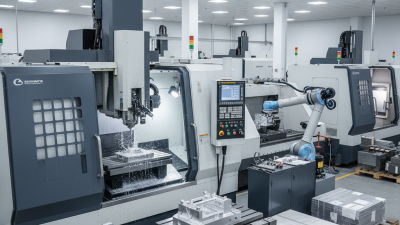
A cnc machining center brings several cutting operations into one controlled workspace. Milling, drilling, tapping, and boring can follow the same programmed setup. This reduces repeated fixturing and helps maintain consistent relationships between critical features. In practical production, that consistency matters when a part includes tight holes, angled surfaces, and complex pockets. A trained operator still checks tool condition, workholding, offsets, and measurements. Automation does not replace judgment.
Modern machining centers also improve productivity through automatic tool changers, enclosed work areas, and computer-controlled movement. A manufacturer can produce prototypes, repair components, or repeat large batches with greater process stability. When paired with inspection equipment, the machine can support traceable quality records and dependable dimensional control. These advantages become clearer on parts that would require several separate machines or manual setups.
However, choosing a machining center is not automatically the best decision. No machine solves every problem. Material hardness, part size, tolerance requirements, programming skill, and expected volume all influence the result. An oversized machine may waste energy and floor space, while an inexpensive model may struggle with rigidity or thermal stability. My experience suggests that careful process planning often creates more value than impressive specifications alone. This guide examines why companies use a cnc machining center, where it performs well, and which limitations deserve honest attention before investment. It also considers operator training, maintenance routines, and realistic return on investment. A reliable decision begins with the part, not the brochure.
What Is a CNC Machining Center?
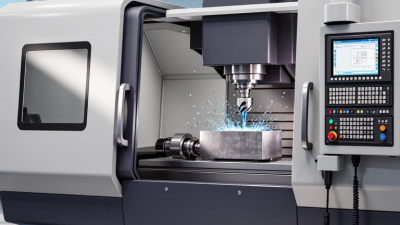
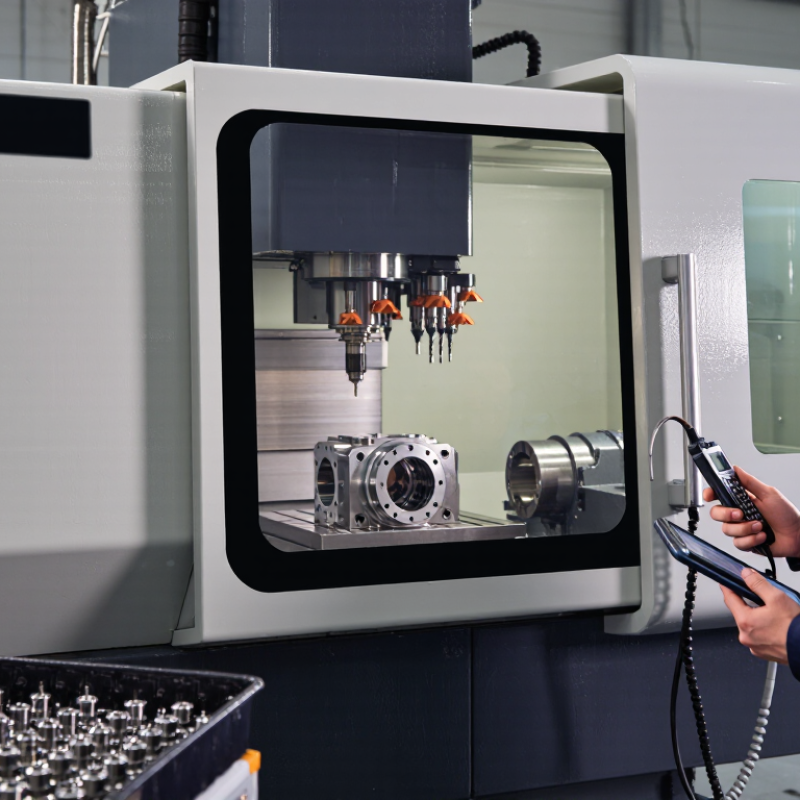
A CNC machining center is a computer-controlled machine that removes material from a solid workpiece. It can mill, drill, tap, and sometimes perform additional operations without repeated manual setup. The machine follows programmed coordinates, while cutting tools rotate at controlled speeds and feeds. A worktable holds the material firmly. An automatic tool changer selects the required cutter.
In a real workshop, operators load an aluminum block, set the work offset, and check the first part carefully. The control system guides tool movement along several axes. Coolant carries away heat and chips during cutting. Probing equipment can verify workpiece position before machining begins. This reduces setup errors, but it does not eliminate them. Small mistakes matter.
A machining center is valuable because it combines repeatability with flexible production. It can produce pockets, holes, slots, and contoured surfaces from engineering drawings. Accuracy depends on more than software. Tool wear, thermal growth, machine condition, and fixture stability also affect results. A reliable process includes calibration, inspection, maintenance, and documented settings. The machine is not magic. Experienced operators still question unusual measurements and inspect critical dimensions with suitable instruments. Even a clean-looking part may need correction.
How Does a CNC Machining Center Work?
A CNC machining center converts a digital design into controlled cutting movements. An operator first prepares the part model and creates toolpaths with manufacturing software. The control system translates these instructions into coded commands. Those commands guide the spindle, table, and cutting tools along precise axes.
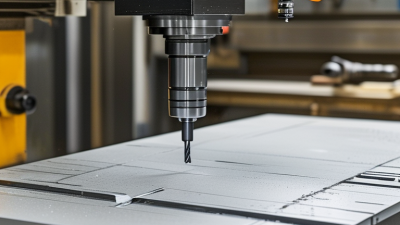
The process starts with workholding. The operator secures a metal block on the machine table and sets the work coordinate system. A tool probe or manual measurement can locate the stock accurately. The spindle then rotates a selected cutter, sometimes at thousands of revolutions per minute. Feed rates control how quickly the cutter enters the material. Coolant may reduce heat and carry chips away from the cutting zone.
During machining, motors move each axis through programmed positions. Encoders report movement back to the control, helping maintain accuracy. Many centers change tools automatically, allowing drilling, pocketing, tapping, and contouring in one setup. That reduces repeated alignment work. It is not completely automatic. A careful operator still checks tool wear, chip buildup, surface finish, and unexpected vibration. Small setup mistakes can produce large dimensional errors. I have found that the first finished part deserves extra attention, even when the simulation looks correct. Real material can behave differently from the screen. Temperature, clamping pressure, and tool condition all influence the final result.
What Are the Main Types of CNC Machining Centers?
Why Use a CNC Machining Center?
What Are the Main Types of CNC Machining Centers?
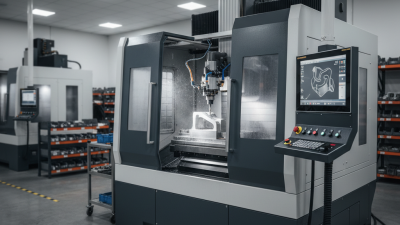
CNC machining centers combine milling, drilling, tapping, and boring in one controlled setup. This reduces repeated clamping and helps maintain accurate part alignment. A vertical machining center has a spindle positioned above the worktable. It suits plates, brackets, molds, and general components. Operators can usually inspect the cutting area easily. That matters during prototype work or frequent tool changes.
A horizontal machining center uses a spindle parallel to the floor. Chips fall away from deep pockets more naturally, which can improve cutting stability. These machines are useful for larger production runs and parts with multiple faces. A five-axis machining center moves the tool or workpiece along five coordinated axes. It can reach angled surfaces and reduce repositioning. Complex housings often benefit from this arrangement. However, programming and setup require stronger technical control. More axes do not automatically mean better results.
Tips: Match the machine to the part’s size, material, tolerance, and production volume. Check spindle speed, table load, tool capacity, and travel ranges before purchase. Rigid workholding is essential, especially when cutting steel or thin sections. Dry runs can reveal clearance problems before metal is removed. A practical review should include maintenance access and operator training. These details are easy to overlook. I have seen impressive specifications fail to solve a simple fixture problem.
What Are the Key Benefits of Using One?
A CNC machining center combines cutting, drilling, tapping, and boring in one controlled workspace. This reduces repeated setups, which often cause small alignment errors. A single fixture can hold an aluminum plate while several tools shape its surfaces. The result is better consistency from the first part to the hundredth part.
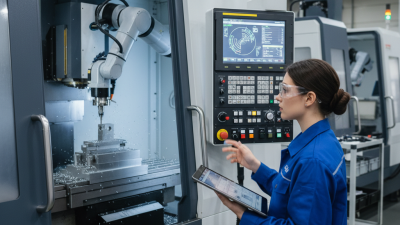
Precision is a major benefit, but repeatability matters just as much. Digital programs guide each movement, while probes can check workpiece position before cutting. Operators still need to verify tool wear, offsets, coolant flow, and measuring results. It is not magic. A poorly secured fixture can ruin an otherwise accurate job. Careful inspection remains essential, especially when dimensions are tight or surfaces must mate with other components.
These machines also improve productivity by changing tools automatically and reducing manual handling. Complex pockets, curved profiles, and multiple hole patterns become more practical with fewer interruptions. Shorter setup times can lower labor costs and leave more time for quality checks. However, programming and maintenance require real skill. A rushed toolpath may waste material quickly. Reviewing simulations, checking the first cut, and recording inspection data create a more reliable process, even when the workflow is not perfect.
Which Industries and Applications Use CNC Machining Centers?
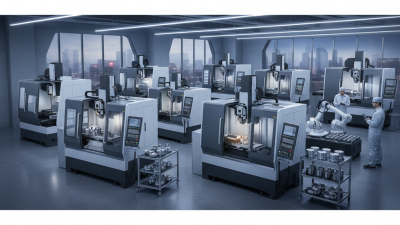
CNC machining centers serve industries that need repeatable accuracy, complex geometry, and controlled production costs. Aerospace manufacturers use five-axis centers for aircraft brackets, turbine components, and lightweight structural parts. Medical manufacturers machine stainless steel and titanium implants, surgical tools, and diagnostic equipment. These parts often require tight tolerances and traceable inspection records. Automotive plants use high-speed centers for engine housings, transmission components, and prototype tooling.
Energy equipment also depends on large machining centers. They produce pump bodies, valve components, and renewable-energy fittings from difficult alloys. Mold and die shops use them to cut hardened steel cavities with smooth, detailed surfaces. According to Grand View Research’s 2024 analysis, the global CNC machine market was valued at approximately 88.4 billion dollars in 2023, with continued growth expected through 2030. That expansion reflects demand across multiple manufacturing sectors, not one application.
The chips tell a story. A stable cut leaves consistent evidence. Industry 4.0 reports also show stronger demand for connected production and real-time monitoring. The International Federation of Robotics reported more than 4.2 million industrial robots operating worldwide in 2023, supporting broader factory automation around CNC equipment. Still, a machining center is not magic. Poor fixturing, incorrect tool offsets, or thermal drift can ruin an expensive batch. Shop-floor experience shows that process planning matters as much as machine capability. Some manufacturers also overestimate automation and underestimate inspection time. That mistake remains common.