Skip to content

10 Best CNC Milling Machine Suppliers for Global Buyers

Choosing a cnc milling supplier is not just a price comparison. Buyers need reliable tolerances, consistent surface finishes, responsive technical support, and delivery dates they can plan around. A spindle running smoothly in a showroom proves little. The real test is a repeatable part, produced to specification and delivered on schedule.

Market reports help explain why careful sourcing matters. Grand View Research estimated the global CNC machine market at USD 101.22 billion in 2023, with projected growth through 2030. The International Federation of Robotics reported 4.28 million industrial robots operating worldwide in 2023. These figures point to expanding automation, but they do not guarantee that every supplier has the same capabilities. Buyers should verify machine capacity, inspection processes, materials experience, and after-sales service directly.

Details matter. This guide compares ten CNC milling machine suppliers for global buyers, focusing on practical factors such as machine range, customization, quality controls, and export support. A supplier’s published specifications are a useful starting point, not final proof. Ask for sample inspection records, clarify acceptance criteria, and confirm who handles commissioning and maintenance. Still, no shortlist can replace a test cut under real production conditions. That step takes time, and sometimes reveals an uncomfortable gap between promises and performance. These comparisons are intended to support due diligence, not replace it.
10 Best CNC Milling Machine Suppliers for Global Buyers

How CNC Milling Machine Suppliers Are Evaluated

Evaluating CNC milling machine suppliers means checking repeatable performance, not polished brochures. Ask for a trial cut using your material, target cutter, and workpiece size. Request the inspection sheet: hole position, flatness, surface roughness, and cycle time. A ten-minute demo can hide heat drift or chatter. Ask for results after a longer run. The International Federation of Robotics’ World Robotics 2024 report counted 4,281,585 industrial robots operating worldwide in 2023, up 10% year on year. This signals a growing automation environment, but it does not certify any individual mill supplier.

Deloitte and MAPI’s 2019 Smart Factory Study reported that 86% of surveyed executives expected smart manufacturing to drive competitiveness within five years. This is an expectation, not proof of machine accuracy. Check whether the supplier provides controller backups, alarm history, and realistic recovery times. Compare spindle power and tool capacity against your materials, not a generic catalog. Ask about local technicians, spare-part lead times, and references from similar production. Numbers are not guarantees. I would still inspect a finished part myself; suppliers sometimes show their best sample.
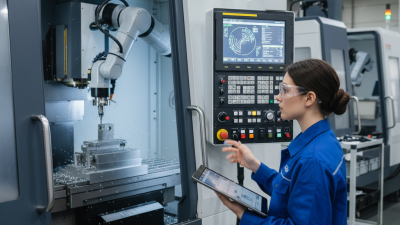
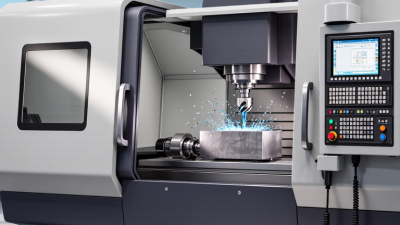
Core Technologies and Services Offered by Leading Suppliers

Leading CNC milling machine suppliers combine machine design with practical process support. Their platforms may include three-, four-, or five-axis configurations, depending on part geometry and production volume. A rigid frame helps control vibration during heavy cuts, while high-speed spindles suit smaller tools and finer finishes. Useful options include automatic tool changers, probing systems, and thermal compensation. These features can reduce setup variation, but they do not replace skilled operators.

Service quality matters just as much as machine specifications. Application engineers can review drawings, recommend workholding, and run sample cuts on materials such as aluminum or stainless steel. Installation and commissioning should cover alignment checks, control settings, and safe operating procedures. Hands-on training helps operators understand tool offsets and probing routines. Remote diagnostics can shorten troubleshooting, though network access and response times vary. Ask for proof.

Before comparing suppliers, request a test cut using a representative part and document the required tolerances, surface finish, and cycle time. Check whether local technicians, spare parts, and maintenance guidance are available where the machine will run. A polished specification sheet rarely shows every shop-floor limitation. Still, sample results also depend on tooling, setup, and operator experience, so one demonstration is not the whole story. Some buyers overlook those details. That can be costly.

Profiles of Ten CNC Milling Machine Suppliers for Global Buyers

These ten supplier profiles represent different strengths, not a universal ranking. An export-focused supplier may offer several machine sizes and handle shipping documents, but response times deserve checking. A precision-focused builder may specialize in five-axis milling and tight tolerances; ask for inspection records. A compact-machine supplier suits smaller workshops, where floor space and power supply matter. A heavy-duty supplier serves large workpieces, so spindle torque and machine weight are worth comparing.

An automation-oriented supplier can integrate tool changers, probing, or robotic loading. Confirm which functions are included and which require separate engineering. A custom-engineering supplier may adapt travel ranges or fixtures, though design changes can extend delivery. A regional-service supplier offers nearby technicians and spare parts. Request realistic service windows. Details matter. An application-focused supplier understands specific materials and cutting conditions; ask for sample-part data, not broad promises.

A value-focused supplier may meet basic production needs, but compare warranty coverage and control systems carefully. A training-led supplier provides operator instruction and setup guidance, useful for teams new to CNC equipment. A refurbishment specialist offers inspected pre-owned machines, where maintenance history and component condition need close review.

No supplier fits every shop. Buyers should compare documented specifications, installation support, and total operating costs. A polished brochure alone is weak evidence.

Comparing Suppliers by Machine Type, Market, and Support

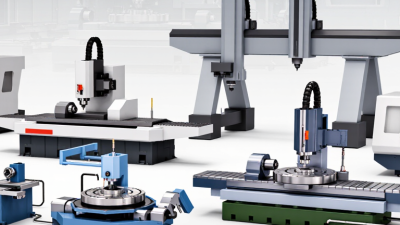
Comparing CNC milling suppliers starts with the machine’s job, not its headline specifications. A three-axis vertical mill suits general parts and limited floor space; five-axis machines can reduce setups for complex surfaces, but require stronger programming and operator skills. For large plates, gantry machines offer reach, while compact mills fit small workshops. Match spindle power, travel, accuracy, and tooling to actual materials and part sizes. More capability is not always better.

Market conditions shape the best supplier choice. Buyers in regions with established service networks may prioritize fast repairs and local spare parts. In remote locations, simpler controls and widely available components can matter more than advanced automation. The International Federation of Robotics reported 4,281,585 industrial robots operating worldwide in 2023, a 10% annual increase (World Robotics 2024). This growth makes automation compatibility worth checking, even for milling cells. Ask suppliers to demonstrate interfaces, safety functions, and realistic cycle times.

Support can separate similar machines. Request installation plans, training hours, warranty exclusions, and typical spare-part lead times in writing. Ask for a trial cut using your material, cutter, and tolerance; inspect the finished surface and measured dimensions. Small details count. A polished demonstration is not a service record. Compare references from customers with similar workloads, and check whether remote diagnostics work across your region. One uncertainty remains: published response-time promises may not reflect peak-season delays.

10 Best CNC Milling Machine Suppliers for Global Buyers — Comparing Suppliers by Machine Type, Market, and Support

This comparison uses ten supplier categories rather than named companies or brands. It is a buyer’s guide, not a verified ranking: machine capabilities, export coverage, service availability, and response times vary by supplier and location. Confirm specifications and support commitments directly before purchasing.

Supplier category Typical machine type Common applications Typical market reach Support to verify Useful buyer checks
1. Large, multi-product machine-tool manufacturer Vertical and horizontal machining centers; often multiple configurations General production, job shops, and manufacturing facilities with varied machining needs May serve domestic and export markets; coverage depends on its distribution network Ask about local technicians, spare-parts access, commissioning, and training Compare the exact machine configuration, service coverage in your country, warranty terms, and parts lead times
2. Five-axis machining specialist Five-axis vertical or trunnion-style machining centers Complex parts that benefit from machining multiple faces in fewer setups Often sells internationally through direct sales or regional distributors Check postprocessor support, operator training, application engineering, and local service expertise Request a part-specific demonstration and confirm the machine’s working envelope, spindle, tooling, and rotary-axis specifications
3. Vertical machining center manufacturer Three-axis vertical machining centers, with some models offering additional rotary axes Prismatic parts, drilling, tapping, and general milling Commonly available through regional dealers and export distributors Verify installation, maintenance training, controller support, and availability of common wear parts Compare travels, table size, spindle characteristics, tool capacity, and the work envelope against actual parts
4. Horizontal machining center manufacturer Horizontal machining centers, sometimes configured with pallet systems Production of multi-sided components and repeat jobs where workholding and setup efficiency matter Often targets industrial production markets; regional service may be essential for complex installations Ask whether the supplier supports pallet systems, workholding integration, preventive maintenance, and rapid diagnostics Check pallet size, indexing options, chip management, automation compatibility, and the cost of the complete cell
5. Gantry or bridge-mill specialist Gantry and bridge-type milling machines, including large-format configurations Large components, dies, molds, and parts that exceed conventional machining-center work envelopes Typically serves industrial buyers; shipping and installation arrangements can be project-specific Confirm site planning, foundation requirements, rigging, commissioning, and on-site service arrangements Evaluate usable travel, workpiece capacity, accuracy requirements, floor space, and installation responsibilities
6. Mold-and-die machining specialist High-speed or precision vertical machining centers suited to finishing and contour work Molds, dies, precision surfaces, and detailed 3D machining May serve specialized manufacturing clusters and export customers Check cutting-process advice, thermal management guidance, spindle service, and CAD/CAM application support Ask for evidence using a comparable material, tool, surface-finish target, and machining strategy
7. Compact or small-footprint machine supplier Compact vertical mills and smaller CNC milling machines Prototyping, education, laboratories, light production, and limited-floor-space workshops May sell through e-commerce, dealers, or direct international shipping Verify setup assistance, documentation, electrical compatibility, and access to replacement parts Check cutting capacity and rigidity for the intended material; compare the complete delivered cost, not just the machine price
8. Automation-ready machining-center supplier Machining centers designed or configured for robotic tending, pallet handling, or other automation Repeated production, unattended operation, and workflows requiring reduced manual handling Often supports projects across regions through integrators or local partners Clarify who provides integration, programming, safety validation, commissioning, and ongoing troubleshooting Request a defined scope covering machine, interfaces, automation, guarding, acceptance tests, and operator training
9. Regional machine-tool builder Commonly vertical machining centers or machines configured for local industry needs Local job shops and manufacturers seeking nearby sales or service contacts Usually strongest in its home market; export reach varies Confirm the service territory, technician availability, parts inventory, and escalation process Compare local support and references with the machine’s documented specifications and acceptance criteria
10. Machine-tool distributor or systems supplier Machines sourced from one or more manufacturers; may offer accessories or integration Buyers seeking a local point of contact, application advice, or a combined equipment package Coverage depends on distribution agreements and the supplier’s regional network Determine which services are provided in-house and which are handled by the manufacturer or subcontractors Confirm the legal seller, warranty provider, machine origin, spare-parts route, and responsibility for installation and support

Factors to Consider When Choosing an International Supplier

Factors to Consider When Choosing an International Supplier

Choosing a CNC milling supplier across borders takes more than comparing hourly rates. Check whether its machines can hold your required tolerances on the actual material, not just on a sales sheet. Ask for sample parts, inspection records, and evidence of tool and machine calibration. A short trial run can reveal chatter marks, inconsistent holes, or finish problems before a large order. Small details matter.

Communication and delivery deserve equal scrutiny. The World Bank’s 2023 Logistics Performance Index covered 139 economies and assessed six areas, including customs, infrastructure, tracking, and timeliness. Use those measures as prompts: ask which port serves the factory, how shipments are tracked, and what happens when a delivery slips. UNCTAD’s Review of Maritime Transport 2024 reports that over 80% of global trade by volume moves by sea. That makes port access and realistic transit buffers practical questions, not paperwork.

Review the supplier’s quality-system scope, material traceability, packaging, and after-sales support. Request named contacts, response-time expectations, spare-parts availability, and clear payment and delivery terms. Compare quoted lead times with recent production evidence. A polished brochure is not proof. I would also speak with a reference customer, though references can be selective; one call rarely settles the question. Keep a written record of agreed tolerances and inspection methods, and check that both sides interpret them the same way.

Back To Top