How to Choose the Best CNC Mill Machine for Your Needs?
Choosing the best CNC mill machine starts with the parts you need to make, not the largest machine your budget can reach. A compact aluminum bracket and a deep steel mold demand different work envelopes, spindle power, rigidity, and tooling. Get those details wrong, and even an impressive machine can sit idle. It happens.
CNC educator Mike Lynch’s practical approach can be summarized this way: “Choose the machine for the parts and process, not the brochure.” This is a paraphrase, not a verbatim quotation. It captures an important selection principle: compare machines against real jobs, materials, tolerances, and expected production volume. A specification sheet matters, but it cannot tell you everything about setup time, operator training, service support, or how the machine performs during a long cut.
This guide explains how to define your requirements, compare machine types, and assess key features such as travel, spindle speed, control systems, and tool capacity. It also considers floor space, installation, maintenance, and total ownership cost. Bring sample part drawings and realistic production estimates when evaluating options. Ask suppliers how their recommendations fit your workload, and request a demonstration where possible. Some compromises are unavoidable; the useful question is which ones your shop can live with. A careful choice may not be the flashiest one. It should make reliable parts, fit your workflow, and leave room for the work you expect next.
Define Your CNC Milling Requirements and Intended Applications
Before comparing CNC mills, define what the machine must make. List the materials, largest part dimensions, required tolerances, and expected production volume. A small aluminum bracket and a steel fixture plate place very different demands on spindle power, rigidity, and cutting tools. Start with real parts. Measure twice.
Consider the operations each job requires. Drilling and facing may need fewer capabilities than contouring angled surfaces or machining several sides without repositioning. Note the cutter sizes, workholding method, and surface finish your parts need. Then check the machine’s work envelope against the largest part and fixture together, not the part alone. Leave room for tool changes and chip removal.
Your shop matters, too. Check available floor space, electrical supply, ventilation, and coolant handling. Think honestly about who will program and maintain the mill; an advanced control is less useful if nobody can support it. Be realistic. It is easy to plan around a future, higher production rate and buy capacity that sits unused. Still, choosing only for today’s simplest job can be limiting. Write down your likely work over the next few years, then mark which requirements are essential and which are merely convenient. If tolerances or workloads are uncertain, test a representative part or consult a qualified machining specialist before deciding.
Compare CNC Mill Types, Configurations, and Core Specifications
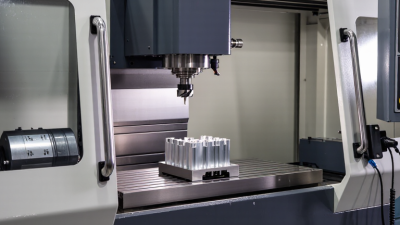
A vertical CNC mill suits flat plates, brackets, and varied one-off work; its open table makes loading and inspection easier. Horizontal mills often clear chips better and suit repeat production with multiple faces. Five-axis machines reach angled surfaces in fewer setups, but programming and calibration demand more skill. Size is not everything.
Compare configurations against the actual part envelope, not its overall dimensions alone. Leave room for clamps, a vise, and tool changes. Check spindle torque at the speeds you use, axis travel, tool capacity, and positioning repeatability. ISO 230-2 provides methods for testing axis positioning accuracy and repeatability. Ask for test results, not just a specification sheet.
Grand View Research estimated the global CNC machine market at about USD 101 billion in 2024 and projected 5.5% annual growth through 2030. That signals investment, not a reason to buy the biggest machine. A common trap is prioritizing rapid traverse while overlooking rigidity and chip evacuation. I would compare sample cuts in the intended material and inspect the finish, cycle time, and chip shape. Don’t overbuy. A slightly awkward choice may still work, but document why before committing.
Match Machine Capacity to Workpiece Size and Material
Start with the largest workpiece you expect to machine, not the average one. Check its length, width, height, and weight against the mill’s usable travel and table load. Usable travel can be less than the headline figure once a vise, clamps, or rotary fixture is installed. Leave room. The spindle must reach the cutting area without colliding with fixtures, and the tool needs enough clearance to approach edges safely. A part that barely fits on paper may be awkward to set up in practice. Measure your actual fixtures before choosing a machine.
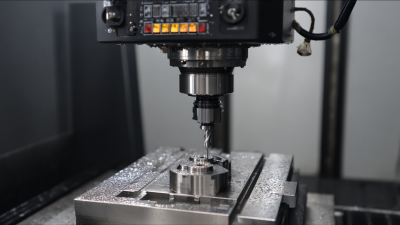
Material affects capacity just as much as size. Aluminum often needs less cutting force than steel, while hard materials demand greater rigidity, suitable spindle torque, and controlled cutting conditions. Check the machine’s frame stiffness, spindle specifications, and chip-clearance arrangements for the materials you plan to run. Heavy stock also puts more load on the table and may require careful workholding. A small test cut in representative material can reveal vibration or finish problems that specifications do not show. It is tempting to buy far more capacity than needed; I would reconsider that choice if it adds cost but limits available workspace. Conversely, a tight fit can become a daily frustration.
Evaluate Software, Tooling, Safety, and Operator Requirements
How to Choose the Best CNC Mill Machine for Your Needs?
Evaluate Software, Tooling, Safety, and Operator Requirements
Start with the parts you actually make. Check whether the control software supports your CAD/CAM workflow, then confirm the postprocessor and simulation match the machine. A convincing screen preview is not enough; test a sample program before buying. Small details matter. Inspect tool-holder compatibility, spindle range, and automatic tool-change capacity. Measure a typical cutter setup, too: a tight work envelope can turn a simple job into awkward re-fixturing.
Safety and staffing deserve equal attention. OSHA’s FY 2023 Top 10 cited standards recorded 1,644 machine-guarding violations. That figure is a useful reminder to inspect guarding, interlocks, emergency stops, and chip management—not just cutting speed. The U.S. Bureau of Labor Statistics reported a 2023 median annual wage of $50,840 for machinists. Budget for training and setup time alongside wages. Even capable operators need time to learn a new control; I would not assume experience transfers perfectly.
Tips: Ask a prospective supplier to demonstrate your material, cutter, and toolpath. Have an operator review the controls and maintenance access. Note any confusing steps. A machine that looks efficient in a showroom may feel different beside a noisy production line.
Compare Total Ownership Costs, Maintenance, and Supplier Support
A CNC mill’s purchase price is only the starting point. Compare the full cost over several years, including installation, tooling, software, electricity, and routine servicing. Ask suppliers to price the same workload, materials, and expected operating hours. Otherwise, a low quote may simply leave important costs out.
Track the small items. Tool holders, filters, coolant, and replacement parts can add up. Check how often the machine needs lubrication, alignment checks, and spindle maintenance. Then estimate the cost of planned service and unexpected downtime. A stopped machine during a rush order can cost more than a service visit. These estimates are imperfect, so leave room for repairs you cannot predict.
Supplier support matters most when something goes wrong. Ask who handles technical questions, how quickly parts usually ship, and whether setup or operator training is included. Request a sample maintenance schedule and clear warranty terms. If support depends on one distant technician, consider how that affects your production plan. A detailed quote helps, but it does not prove that service will be prompt. Check references from shops with similar workloads, and note any unanswered questions before choosing.