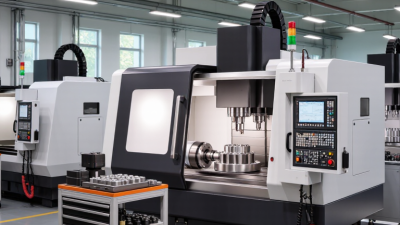
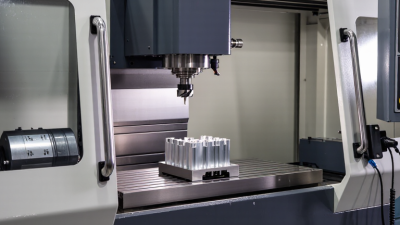
Choosing a large CNC machine is a major investment, not a simple matter of selecting the biggest model. The right choice depends on the parts you make, the materials you cut, and the space your shop can support. A machine that looks impressive in a showroom may struggle with your actual workload. Measure twice.
Manufacturing engineer Thomas R. Kurfess, a former manufacturing lead at the U.S. National Institute of Standards and Technology, is a relevant expert in advanced manufacturing. A useful selection principle, paraphrased rather than presented as his verbatim quote, is: “Choose equipment around the process, not the process around the equipment.” Keep that in mind as you compare machines. A five-axis unit may suit complex aerospace components, while a robust three-axis machine may handle large plates more efficiently.
This guide covers seven practical considerations: work envelope, spindle power, accuracy, tooling, controls, installation, and service support. Check the machine’s usable travel against your largest part, not just the advertised table size. Ask for a test cut using your material. Listen for vibration. Inspect the finished surface. Then compare maintenance access, training, and local technician availability. These details matter after delivery.
No checklist removes uncertainty. Production needs change, and supplier specifications do not tell the whole story. Still, careful questions can expose costly mismatches before purchase. Use these tips to assess whether a large cnc machine fits your current work, future plans, and shop floor. A little skepticism helps.
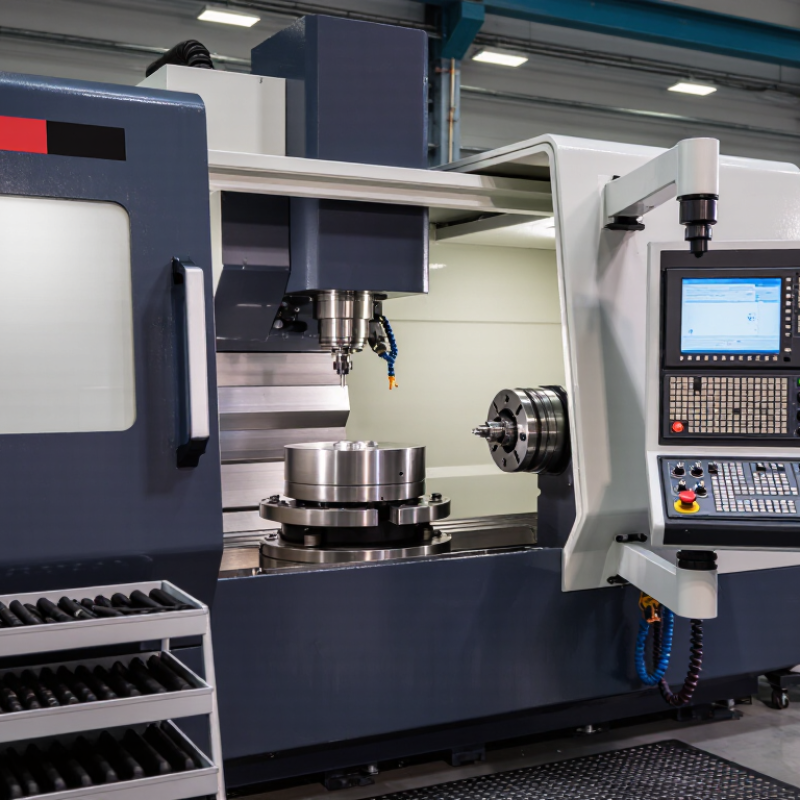
Before choosing a large CNC machine, quantify the work it must do each week. Record annual part volumes, batch sizes, shift patterns, cycle times, and realistic changeover periods. A machine sized for occasional peaks may sit idle for much of the year. One sized for average demand may become a bottleneck during busy months. That trade-off deserves a hard look.
Measure the largest part’s length, width, height, and weight, then include fixture and tool clearance. Check raw stock dimensions too: a long aluminum extrusion and a thick steel plate create different loading and cutting demands. Material hardness, chip volume, and required surface finish affect spindle power, rigidity, coolant, and tool life. Measure twice. Use actual production parts where possible; estimates from a tidy spreadsheet can miss awkward setups and scrap. The Deloitte and Manufacturing Institute 2024 skills-gap study projects that U.S. manufacturing may need 3.8 million workers by 2033, with 1.9 million roles potentially unfilled. That labor pressure makes automation, operator access, and setup simplicity practical capacity questions, not extras. Capture the details before comparing machine specifications.
Typical density of common metals (g/cm³). Material density helps estimate workpiece weight and handling needs; also consider part dimensions, machining forces, and production volume when sizing a machine.
Match the machine’s usable work envelope to your largest real part, not its nominal travel. Measure the part at maximum length, width, and height, including clamps, fixtures, and tool access. A 1,200 mm plate may need more than 1,200 mm of X travel once the vise and cutter approach are considered. Leave practical clearance for loading and chip removal. Tight fits become expensive.
Check the maker’s stated envelope against the actual setup drawing. ISO 230-1:2012 defines geometric accuracy tests for machine tools; advertised travel alone does not prove usable cutting space. For tall parts, check Z clearance with the toolholder installed, not just spindle travel. For long parts, confirm table support and whether the workpiece can pass through the machine safely. AMT’s 2023 U.S. Manufacturing Technology Orders report recorded about $4.9 billion in orders, down 12.5% from 2022. That does not dictate machine size, but it makes costly overcapacity worth questioning. I would add roughly 10–15% clearance beyond the largest planned setup, then verify it with a full-scale layout. It is a rule of thumb, not a guarantee. A missed cable or clamp can spoil the fit.
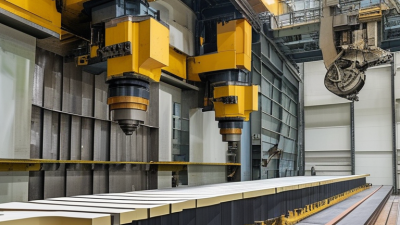
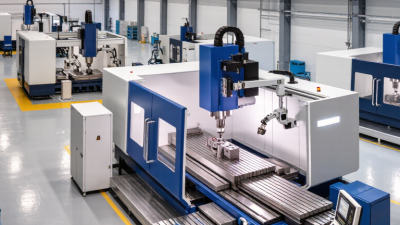
Choose a large CNC machine by matching its configuration to real parts, not the biggest travel figures on a brochure. Measure the longest workpiece, fixture, and tool assembly together. A gantry design can suit wide panels; a moving-column layout may better serve long, heavy parts. Check clearance at the table’s full travel.
Measure the part.
Compare axis count with setup needs. Three-axis machining may be adequate for flat components, while five-axis movement can reach angled features with fewer repositionings. That can reduce handling, but it adds programming and maintenance demands. More axes are not automatically better. Check positioning accuracy under load, thermal compensation, and whether the machine can hold tolerance after hours of cutting.
Grand View Research valued the global CNC machine market at USD 101.22 billion in 2023, reflecting broad demand—not proof that any one configuration suits your shop.
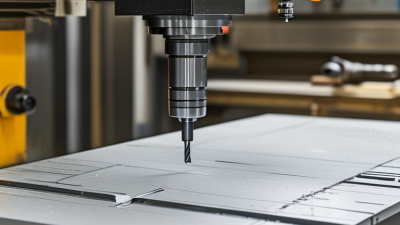
Tooling choices matter just as much. Confirm spindle taper, power and speed range, tool-changer capacity, and the largest tool diameter the machine can manage. For deep pockets, ask about chip evacuation and coolant delivery; a crowded enclosure can turn chip removal into a daily problem.
Plan for chips.
The International Federation of Robotics reported 4.28 million industrial robots operating worldwide in 2023. That figure is not CNC-specific, but it makes automation compatibility worth checking: leave space for loading, probing, and future robotic tending.
A frequent blind spot is planning only for today’s part mix. Recheck the assumptions against actual jobs and floor space.
A large CNC machine should fit the work, not just the shop floor. Check the usable travel against your largest part, fixture, and tool-change clearance. Then review positioning accuracy and repeatability separately; a machine may reach a coordinate accurately but vary between cycles. Ask for test results under realistic loads. Thermal growth matters. Long cuts can warm the spindle and shift dimensions, so request compensation details and consider a trial cut on a representative material.
Match spindle power and torque to the work. Aluminum may reward higher speeds, while large steel cuts often need torque at lower rpm. Compare cutting-feed rates, not only rapid traverse figures. A fast empty move will not shorten a demanding cut. Also inspect frame rigidity, chip removal, and service access. These details are easy to overlook. For automation, check robot or pallet interfaces, probing, and recovery after interruptions. The International Federation of Robotics reported 4.28 million industrial robots operating worldwide in 2023 in World Robotics 2024. A 2024 Deloitte–Manufacturing Institute study projected that U.S. manufacturing may need 3.8 million workers by 2033, with 1.9 million jobs at risk of going unfilled. Those figures support planning for automation, but automation only pays when parts, workflows, and staff are ready. I would still question any quote that promises speed without showing cycle-time data.
| Tip | What to Evaluate | Practical Check | Why It Matters | How to Verify |
|---|---|---|---|---|
| 1. Match the work envelope to the part | Travel on each axis, table or pallet dimensions, maximum load, and clearance for fixtures and tools. | Allow room for the largest planned part, workholding, tool access, and safe loading. Check both part dimensions and total setup weight. | A part may fit within the nominal travels but still be difficult to fixture, reach, or machine without interference. | Review a fully dimensioned setup drawing with the machine supplier, including spindle reach, rotary-axis limits, and door openings. |
| 2. Define accuracy requirements | Positioning accuracy, repeatability, volumetric performance, thermal stability, and accuracy across the full working volume. | Set tolerances from the part drawing; do not treat one accuracy figure as a guarantee for every axis, temperature, or cutting condition. | Large machines can show greater thermal and geometric variation over long travels than a single-point specification suggests. | Request documented test results under stated conditions, such as applicable ISO 230 tests, and arrange a representative test cut when needed. |
| 3. Size spindle power for the cutting task | Continuous and peak power, torque across the speed range, spindle taper, duty rating, and tool compatibility. | Compare the spindle’s power-and-torque curve with the materials, cutter diameters, and roughing operations in your production plan. | Peak power alone can be misleading: heavy cutting at low speed may depend more on available torque and continuous duty. | Ask for the full spindle curve and confirm it supports the intended cutter, material, and required cutting parameters. |
| 4. Choose speed for the actual process | Maximum spindle speed, rapid traverse, cutting feed rates, acceleration, and tool-change time. | Use the speed and feed requirements of your common operations; verify that rapid motion and acceleration suit the part size and toolpath. | High maximum speed does not automatically mean shorter cycle times, especially in heavy cutting or long-travel machining. | Request a timed cycle estimate using representative parts, toolpaths, tool changes, and realistic cutting data. |
| 5. Assess rigidity and chip control | Machine structure, guideways, table support, damping, coolant delivery, chip evacuation, and foundation requirements. | Check that the machine can support the workpiece and fixtures while maintaining access for coolant and reliable chip removal. | Vibration, heat, and accumulated chips can affect surface finish, tool life, uptime, and dimensional consistency. | Review foundation and load specifications, then evaluate a cutting demonstration using a comparable material and operation. |
| 6. Select automation that fits the workflow | Pallet changing, tool capacity, probing, workpiece handling, unattended operation, and integration with existing systems. | Estimate how many tools and jobs must run between operator interventions; check pallet capacity and changeover needs against your schedule. | Automation can increase productive hours, but poorly matched capacity may add cost without reducing bottlenecks. | Map the intended workflow and confirm changeover times, interface requirements, safety provisions, and recovery procedures. |
| 7. Compare total ownership requirements | Installation, energy use, maintenance access, service response, spare parts, training, and software or integration costs. | Compare expected operating and support needs over the planned service life, not only the purchase price. | Installation constraints and downtime can materially affect the cost and productivity of a large machine. | Request a written installation plan, maintenance schedule, training scope, and service terms before making a final comparison. |
Specifications and acceptance criteria vary by machine design, configuration, environment, and application. Confirm performance against your part requirements and documented test conditions.
A large CNC machine’s price tag is only the beginning. Compare the quoted price with tooling, freight, rigging, electrical work, floor reinforcement, software, and operator training. Ask which costs are included, and request written estimates for items handled by third parties. A low quote can become expensive after delivery. It happens.
Before ordering, measure the route from the loading door to the machine pad, including turns, ceiling height, and doorway width. Verify slab capacity and power requirements with qualified site professionals; machine weight and electrical needs vary. Leave room for service access, chip handling, and safe material loading. A tight layout may work on paper. Not in production.
Service response deserves equal scrutiny. Ask about typical response times, parts availability, remote diagnostics, and whether technicians can support commissioning. Confirm warranty limits and labor coverage in writing. Talk with current users about downtime and follow-up, not only installation day. Supplier support should continue after acceptance.